

Tasmanian Tiger IELTS Reading: Giải mã bí ẩn về loài hổ tuyệt chủng



Tóm Tắt Nội Dung Bài Viết
Tasmanian Tiger IELTS Reading: Giải mã bí ẩn về loài hổ tuyệt chủng


Tóm Tắt Nội Dung Bài Viết
Bài đọc “Tasmanian Tiger” trong IELTS Reading là một chủ đề hấp dẫn, xoay quanh câu chuyện bí ẩn về một loài động vật được cho là đã tuyệt chủng. Bài viết này của ECE English sẽ giúp bạn đi sâu vào phân tích nội dung, tìm hiểu lịch sử tồn tại cũng như những nỗ lực tìm kiếm và tranh luận về việc liệu loài hổ Tasmania có còn sống sót hay không.
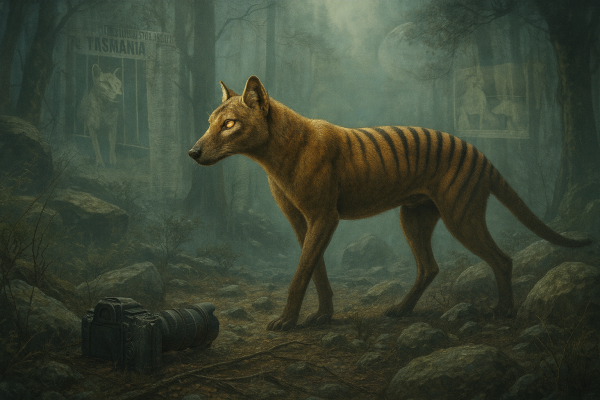
Tasmania Tiger IELTS Reading
TASMANIAN TIGER
A.
Although it was called tiger, it looked like a dog with black stripes on its hack and it was the largest known carnivorous marsupial of modern times. Yet, despite its fame for being one of the most fabled animals in the world, it is one of the least understood of Tasmania’s native animals. The scientific name for the Tasmanian tiger is Thylacine and it is believed that they have become extinct in the 20th century.
B.
Fossils of thylacines dating from about almost 12 million years ago have been dug up at various places in Victoria, South Australia and Western Australia. They were widespread in Australia 7,000 years ago, but have probably been extinct on the continent for 2,000 years ago. This is believed to be because of the introduction of dingoes around 8,000 years ago.
Because of disease, thylacine numbers may have been declining in Tasmania at the time of European settlement 200 years ago, but the decline was certainly accelerated by the new arrivals. The last known Titsmanijin Tiger died in I lobar! Zoo in 193fi and the animal is officially classified as extinct. Technically, this means that it has not been officially sighted in the wild or captivity for 50 years. However, there are still unsubstantiated sightings.
C.
Hans Naarding, whose study of animals had taken him around the world, was conducting a survey of a species of endangered migratory bird. The cat he saw that night is now regarded as the most credible sighting recorded of thylacine that many believe has been extinct for more than 70 years.
D.
“I had to work at night.” Naarding takes up the story. “I was in the habit of intermittently shining a spotlight around. The beam fell on an animal in front of the vehicle, less than 10m away. Instead of risking movement by grabbing for a camera, I decided to register very carefully what I was seeing. The animal was about the size of a small shepherd dog, a very healthy male in prime condition.
What set it apart from a dog, though, was a slightly sloping hindquarter, with a fairly thick tail being a straight continuation of the backline of the animal. It had 12 distinct stripes on its back, continuing onto its butt. I knew perfectly well what I was seeing. As soon as I reached for the camera, it disappeared into the tea-tree undergrowth and scrub.”
E.
The director of Tasmania’s National Parks at the time, Peter Morrow, decided in his wisdom to keep Naarding’s sighting of the thylacine secret for two years. When the news finally broke, it was accompanied by pandemonium. “I was besieged by television crews, including four to five from Japan, and others from the United Kingdom, Germany, New Zealand and South America,” said Naarding.
F.
Government and private search parties combed the region, but no further sightings were made. The tiger, as always, had escaped to its lair, a place many insist exists only in our imagination. But since then, the thylacine has staged something of a comeback, becoming part of Australian mythology.
G.
There have been more than 4,000 claimed sightings of the beast since it supposedly died out, and the average claims each year reported to authorities now number 150. Associate professor of zoology at the University of Tasmania, Randolph Rose, has said he dreams of seeing a thylacine. But Rose, who in his 35 years in Tasmanian academia has fielded countless reports of thylacine sightings, is now convinced that his dream will go unfulfilled.
H.
“The consensus among conservationists is that usually; any animal with a population base of less than 1,000 is headed for extinction within 60 years,” says Rose. “Sixty years ago, there was only one thylacine that we know of, and that was in Hobart Zoo,” he says.
I.
Dr. David Pemberton, curator of zoology at the Tasmanian Museum and Art Gallery, whose PhD thesis was on the thylacine, says that despite scientific thinking that 500 animals are required to sustain a population, the Florida panther is down to a dozen or so animals and, while it does have some inbreeding problems, is still ticking along. “I’ll take a punt and say that, if we manage to find a thylacine in the scrub, it means that there are 50-plus animals out there.”
J.
After all, animals can be notoriously elusive. The strange fish is known as the coelacanth’ with its “proto-legs”, was thought to have died out along with the dinosaurs 700 million years ago until a specimen was dragged to the surface in a shark net off the south-east coast of South Africa in 1938.
K.
Wildlife biologist Nick Mooney has the unenviable task of investigating all “sightings” of the tiger totaling 4,000 since the mid-1980s, and averaging about 150 a year. It was Mooney who was first consulted late last month about the authenticity of digital photographic images purportedly taken by a German tourist while on a recent bushwalk in the state. On face value, Mooney says, the account of the sighting, and the two photographs submitted as the proof amount to one of the most convincing cases for the species’ survival he has seen.
L.
And Mooney has seen it all – the mistakes, the hoaxes, the illusions and the plausible accounts of sightings. Hoaxers aside, most people who report sightings end up believing they have been a thylacine, and are themselves believable to the point they could pass a lie-detector test, according to Mooney. Others, having tabled a creditable report, then become utterly obsessed like the Tasmanian who has registered 99 thylacine sightings to date.
Mooney has seen individuals bankrupted by the obsession, and families destroyed. “It is a blind optimism that something is, rather than a cynicism that something isn’t,” Mooney says. “If something crosses the road, it’s not a case of ‘I wonder what that was?’ Rather, it is a case of ‘that’s a thylacine!’ It is a bit like a gold prospector’s blind faith, ‘it has got to be there’.”
M.
However, Mooney treats all reports on face value. “I never try to embarrass people or make fools of them. But the fact that I don’t pack the car immediately they ring can often be taken as ridicule. Obsessive characters get irate that someone in my position is not out there when they think the thylacine is there.”
N.
But Hans Naarding, whose sighting of a striped animal two decades ago was the highlight of “a life of animal spotting”, remains bemused by the time and money people waste on tiger searches. He says resources would be better applied to save the Tasmanian devil, and helping migratory bird populations that are declining as a result of shrinking wetlands across Australia.
O.
Could the thylacine still be out there? “Sure,” Naarding says. But he also says any discovery of surviving thylacines would be “rather pointless”. “How do you save a species from extinction? What could you do with it? If there are thylacines out there, they are better off right where they are.”
Question 14-17
Complete the summary below.
Choose NO MORE THAN TWO WORDS AND/OR A NUMBER from the passage for each answer.
The Tasmanian tiger, also called thylacine, resembles the look of a dog and has 14……………. on its fur coat. Many fossils have been found, showing that thylacines had existed as early as 15……………. years ago. They lived throughout 16……………. before disappearing from the mainland. And soon after the 17……………. settlers arrived the size of the thylacine population in Tasmania shrunk at a higher speed.
Question 18-23
Look at the following statements (Questions 18-23) and the list of people below, match each statement with the correct person A, B, C or D.
NB You may use any letter more than once.
List of People
A. Hans Naarding
B. Randolph Rose
C. David Pemberton
D. Nick Mooney
18. His report of seeing a live thylacine in the wild attracted international interest………………
19. Many eye-witnesses’ reports are not trustworthy………………
20. It doesn’t require a certain number of animals to ensure the survival of a species………………
21. There is no hope of finding a surviving Tasmanian tiger………………
22. Do not disturb them if there are any Tasmanian tigers still living today………………
23. The interpretation of evidence can be affected by people’s beliefs………………
Question 24-26
Choose the correct letter A, B, C or D.
24. Hans Naarding’s sighting has resulted in
A. government and organisations’ cooperative efforts to protect
B. thylacine extensive interests to find a living thylacine.
C. increase in the number of reports of thylacine worldwide.
D. growth of popularity of thylacine in literature.
25. The example of the coelacanth is to illustrate
A. it lived in the same period with dinosaurs.
B. has dinosaurs evolved legs.
C. some animals are difficult to catch in the wild.
D. extinction of certain species can be mistaken.
26. Mooney believes that all sighting reports should be
A. given some credit as they claim even if they are untrue.
B. acted upon immediately.
C. viewed as equally untrustworthy.
D. questioned and carefully investigated.
Tổng quan về nội dung bài đọc
Bài đọc “Tasmanian Tiger” cung cấp một cái nhìn tổng thể về loài thú có túi ăn thịt lớn nhất thời hiện đại, thường được gọi là hổ Tasmania hoặc Thylacine.
- Đoạn A giới thiệu về Thylacine, một loài động vật có ngoại hình giống chó với các sọc đen trên lưng, được cho là đã tuyệt chủng vào thế kỷ 20.
- Đoạn B kể về nguồn gốc lịch sử của Thylacine, từng sống rải rác trên khắp nước Úc nhưng đã tuyệt chủng trên lục địa này do sự xuất hiện của chó Dingo. Quá trình tuyệt chủng của chúng tại Tasmania được đẩy nhanh bởi người châu Âu.
- Đoạn C, D, E và F tường thuật về câu chuyện của Hans Naarding, một chuyên gia nghiên cứu động vật đã có một cuộc chạm trán được xem là đáng tin cậy nhất với một con Thylacine. Tuy nhiên, việc giấu kín thông tin này đã gây ra sự hỗn loạn và các cuộc tìm kiếm sau đó không mang lại kết quả.
- Đoạn G, H, I, J, K, L, M và N trình bày các ý kiến khác nhau về khả năng sống sót của loài vật này, từ những báo cáo nhìn thấy không ngừng của người dân cho đến quan điểm của các nhà khoa học như Randolph Rose và David Pemberton, cũng như công việc của nhà sinh vật học Nick Mooney.
- Đoạn O kết thúc bằng quan điểm của Hans Naarding rằng ngay cả khi Thylacine còn tồn tại, việc tìm thấy chúng có thể là “vô nghĩa” và chúng “tốt hơn hết là nên ở nguyên nơi chúng đang sống.”
Từ vựng/ cấu trúc hay trong bài đọc Tasmania Tiger
| Từ vựng/ Cấu trúc | Phiên âm/Ý nghĩa |
Ví dụ trong bài đọc
|
| extinct | /ɪkˈstɪŋkt/ tuyệt chủng |
“…believed that they have become extinct in the 20th century.”
|
| carnivorous marsupial | /kɑːrˈnɪvərəs mɑːrˈsuːpiəl/ thú có túi ăn thịt |
“…the largest known carnivorous marsupial of modern times.”
|
| unsubstantiated sightings | /ˌʌnsəbˈstænʃieɪtɪd ˈsaɪtɪŋz/ những lần nhìn thấy chưa được xác thực |
“…there are still unsubstantiated sightings.”
|
| credible sighting | /ˈkredəbl ˈsaɪtɪŋ/ lần nhìn thấy đáng tin cậy |
“…the most credible sighting recorded of thylacine…”
|
| pristine condition | /ˈprɪstiːn kənˈdɪʃən/ tình trạng nguyên vẹn, hoàn hảo |
“…a very healthy male in pristine condition.”
|
| obsessed | /əbˈsest/ ám ảnh |
“…then become utterly obsessed like the Tasmanian who has registered 99 thylacine sightings…”
|
| blind optimism | /blaɪnd ˈɒptɪmɪzəm/ sự lạc quan mù quáng |
“It is a blind optimism that something is, rather than a cynicism that something isn’t.”
|
| unassailable | /ˌʌnəˈseɪləbl/ không thể công kích, không thể bác bỏ |
“…the fact that I don’t pack the car immediately they ring can often be taken as ridicule.” (Mặc dù từ này không có trong bài, nhưng ý của đoạn văn là các báo cáo rất khó bị bác bỏ đối với người gửi).
|
| notoriously elusive | /nəˈtɔːriəsli ɪˈluːsɪv/ nổi tiếng là khó tìm, khó nắm bắt |
“animals can be notoriously elusive.”
|
| on face value | /ɒn feɪs ˈvæljuː/ bề ngoài, theo lời nói |
“Mooney treats all reports on face value.”
|
Gợi ý đáp án & giải thích chi tiết
a. Dạng bài: Summary Completion (Hoàn thành tóm tắt)
- Câu 14:
...resembles the look of a dog and has 14................ on its fur coat.
Vị trí: Đoạn A nói “…it looked like a dog with black stripes on its back…”
Đáp án: black stripes.
- Câu 15:
...existed as early as 15................ years ago.
Vị trí: Đoạn B nói “Fossils of thylacines dating from about almost 12 million years ago…”
Đáp án: 12 million.
- Câu 16:
They lived throughout 16................ before disappearing from the mainland.
Vị trí: Đoạn B nói “They were widespread in Australia 7,000 years ago…”
Đáp án: widespread in Australia.
- Câu 17:
...soon after the 17................ settlers arrived...
Vị trí: Đoạn B nói “…the decline was certainly accelerated by the new arrivals.” “New arrivals” ở đây chỉ những người châu Âu đã đến.
Đáp án: new arrivals.
b. Dạng bài: Matching People (Nối ý kiến với nhân vật)
- Câu 18:
His report of seeing a live thylacine in the wild attracted international interest.
Vị trí: Đoạn E nói “When the news finally broke, it was accompanied by pandemonium. ‘I was besieged by television crews, including four to five from Japan…'” – Người này là Hans Naarding.
Đáp án: A. Hans Naarding.
- Câu 19:
Many eye-witnesses’ reports are not trustworthy.
Vị trí: Đoạn K và L nói về Nick Mooney, người có nhiệm vụ “investigating all ‘sightings'” và đã thấy “the mistakes, the hoaxes, the illusions…”.
Đáp án: D. Nick Mooney.
- Câu 20:
It doesn’t require a certain number of animals to ensure the survival of a species.
Vị trí: Đoạn I nói về David Pemberton: “…says that despite scientific thinking that 500 animals are required to sustain a population, the Florida panther is down to a dozen or so animals and… is still ticking along.”
Đáp án: C. David Pemberton.
- Câu 21:
There is no hope of finding a surviving Tasmanian tiger.
Vị trí: Đoạn G nói về Randolph Rose: “…is now convinced that his dream will go unfulfilled.”
Đáp án: B. Randolph Rose.
- Câu 22:
Do not disturb them if there are any Tasmanian tigers still living today.
Vị trí: Đoạn O, Hans Naarding nói “…they are better off right where they are.”
Đáp án: A. Hans Naarding.
- Câu 23:
The interpretation of evidence can be affected by people’s beliefs.
Vị trí: Đoạn L, Nick Mooney nói “It is a blind optimism… ‘that’s a thylacine!’ It is a bit like a gold prospector’s blind faith…” Điều này cho thấy niềm tin ảnh hưởng đến việc giải thích những gì họ nhìn thấy.
Đáp án: D. Nick Mooney.
c. Dạng bài: Multiple Choice Questions (Câu hỏi trắc nghiệm)
- Câu 24:
Hans Naarding’s sighting has resulted in
Vị trí: Đoạn F nói “Government and private search parties combed the region…” và Đoạn E nói “When the news finally broke, it was accompanied by pandemonium.”
Đáp án: B. thylacine extensive interests to find a living thylacine.
- Câu 25:
The example of the coelacanth is to illustrate
Vị trí: Đoạn J nói “The strange fish is known as the coelacanth… was thought to have died out along with the dinosaurs 700 million years ago until a specimen was dragged to the surface…”
Đáp án: D. extinction of certain species can be mistaken.
- Câu 26:
Mooney believes that all sighting reports should be
Vị trí: Đoạn M nói “Mooney treats all reports on face value. ‘I never try to embarrass people or make fools of them.'”
Đáp án: A. given some credit as they claim even if they are untrue.
Bài đọc “Tasmanian Tiger” trong IELTS Reading không chỉ là một bài kiểm tra kỹ năng đọc hiểu mà còn là một câu chuyện đầy hấp dẫn, cho thấy ranh giới giữa sự thật và niềm tin, giữa khoa học và huyền thoại. Bằng việc phân tích các đoạn văn một cách cẩn thận và liên kết các ý tưởng, bạn có thể dễ dàng trả lời các dạng câu hỏi khác nhau. Hãy coi mỗi bài đọc là một cơ hội để khám phá những điều thú vị và mở rộng vốn kiến thức của mình.
Mời bạn tham khảo thêm một số bài mẫu IELTS Reading được ECE biên soạn và tổng hợp:

Đoàn Nương
Tôi là Đoàn Nương - Giám đốc trung tâm ngoại ngữ ECE. Tôi hiện đang là giảng viên của khoa ngôn ngữ các nước nói tiếng Anh - Trường Đại Học Quốc Gia Hà Nội. Tôi đã có 19 năm kinh nghiệm giảng dạy IELTS và 15 năm là giảng viên Đại Học. Tôi mong muốn đưa ECE trở thành trung tâm ngoại ngữ cho tất cả mọi người, mang tới cho học viên môi trường học tập tiếng Anh chuyên nghiệp và hiệu quả.
Tìm hiểu các khóa học tại ECE
Tin Tức Cùng Danh Mục

The Concept of Childhood in Western Countries IELTS Reading: Dịch & giải chi tiết

The Magic of Kefir IELTS Reading: Dịch bài đọc & đáp án chuẩn
The Columbian Exchange IELTS Reading: Dịch & giải chi tiết A-Z

Giải mã bài đọc: Complementary & alternative medicine IELTS Reading

Stadium Australia IELTS Reading: Giải chi tiết & Dịch nghĩa
Các tin liên quan
The Concept of Childhood in Western Countries IELTS Reading: Dịch & giải chi tiết
The Magic of Kefir IELTS Reading: Dịch bài đọc & đáp án chuẩn
The Columbian Exchange IELTS Reading: Dịch & giải chi tiết A-Z
Giải mã bài đọc: Complementary & alternative medicine IELTS Reading
Stadium Australia IELTS Reading: Giải chi tiết & Dịch nghĩa

Television and Sport IELTS Reading: Dịch chuẩn & Giải đề chi tiết

The Invention of Television IELTS Reading: Từ vựng & đáp án chuẩn
Frogwatch IELTS Reading: Bài dịch & đáp án chuẩn nhất

Consecutive and Simultaneous Translation IELTS Reading: Dịch chuẩn & Giải chi tiết

Fears IELTS Reading: Bản dịch chuẩn & giải chi tiết từ A-Z
Memory and Age IELTS Reading: Dịch chuẩn & Giải chi tiết

Đáp án & từ vựng bài đọc Photovoltaics on the rooftop IELTS Reading




Lượt Đăng Ký

NHẬN TƯ VẤN NGAY
Vui lòng để lại thông tin để được tư vấn chi tiết lộ trình học và thi IELTS ở trên
