
IELTS Speaking Topic Books: Sample Answers & Vocab Part 1, 2, 3



Tóm Tắt Nội Dung Bài Viết
IELTS Speaking Topic Books: Sample Answers & Vocab Part 1, 2, 3


Tóm Tắt Nội Dung Bài Viết
Chủ đề “Books” (Sách) là một trong những chủ đề rất phổ biến trong bài thi IELTS Speaking. Để giúp bạn tự tin trả lời các câu hỏi liên quan đến chủ đề này một cách trôi chảy và đạt điểm cao, Trung tâm ngoại ngữ ECE đã tổng hợp các câu trả lời mẫu chất lượng cùng danh sách từ vựng “ăn điểm” cho cả Part 1, Part 2 và Part 3.
Bài viết đã được tham vấn nội dung bởi cô Nguyễn Hồng Nhật – Giáo viên 8.0 IELTS tại ECE. Cô Hồng Nhật sẽ cung cấp cho bạn những ý tưởng, cấu trúc câu và từ vựng hữu ích để bạn có thể tham khảo, luyện tập và phát triển câu trả lời của riêng mình.
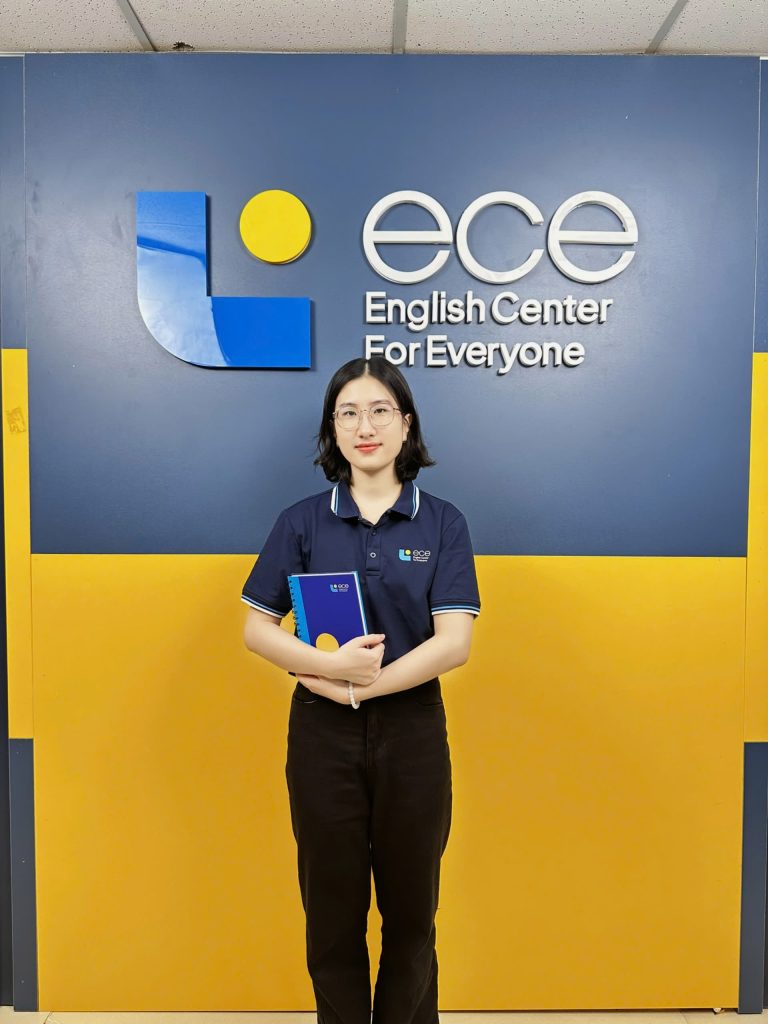
Cô Nguyễn Hồng Nhật chia sẻ về topic books trong IELTS Speaking
IELTS Speaking Part 1: Books – Sample Questions & Answers
Ở Part 1, giám khảo thường hỏi những câu hỏi chung về thói quen và sở thích đọc sách của bạn.
Câu hỏi 1: Do you have many books at home? (Bạn có nhiều sách ở nhà không?)
Trả lời mẫu: Not really. I’d say I have a moderate collection, maybe around 40 books or so. I’m not exactly an avid reader, so books aren’t something I spend a lot of money on. In fact, I stopped buying new ones last year because I still haven’t gotten around to finishing the ones I already own. I do appreciate a good read now and then, but it’s not a major part of my routine.
Từ vựng hữu ích:
- a moderate collection: một bộ sưu tập vừa phải / ở mức trung bình
- avid (adj): đam mê
- get around to (doing) something: có thời gian để làm việc gì đó (sau một thời gian trì hoãn)
- a good read: một cuốn sách hay
- now and then: thỉnh thoảng, đôi lúc, lâu lâu một lần
- major (adj): chính, quan trọng
Câu hỏi 2: How often do you read books? (Bạn có thường đọc sách không?)
Trả lời mẫu: Not as often as I’d like to, honestly. It usually takes me a month or two to finish a book, regardless of how long it is. To be fair, it’s mostly because I prefer other leisure activities like watching movies and hanging out with friends over reading. Plus, I tend to take notes while I read, which makes the process even longer.
Từ vựng hữu ích:
- regardless of: bất kể, dù cho
- leisure activities: hoạt động giải trí, thư giãn
- hang out with sb: đi chơi với ai
- prefer [A] over [B]: thích A hơn B
- take notes: ghi chú lại
Câu hỏi 3: What was your favorite book when you were a child? (Cuốn sách yêu thích của bạn khi còn nhỏ là gì?)
Trả lời mẫu: Oh, that’s a tough question. I honestly don’t have much recollection of the books I read as a child. If I had to choose, it was probably the literature textbook I studied in primary school. Back then, the stories selected by the education board were surprisingly enjoyable and meaningful. They often carried powerful messages that, in hindsight, helped shape the way I think and who I am today.
Từ vựng hữu ích:
- a tough question: một câu hỏi khó nhằn
- have much recollection of sth: có ký ức về điều gì
- literature textbook: sách giáo khoa Văn
- education board: hội đồng giáo dục, cơ quan phụ trách nội dung giảng dạy
- meaningful (adj): đầy ý nghĩa, sâu sắc
- carry powerful messages: chứa thông điệp mạnh mẽ, sâu sắc
- in hindsight: nhìn lại sau này, khi nghĩ lại
- shape the way I think / who I am: định hình suy nghĩ / con người mình trở thành
Câu hỏi 4: Are your reading habits now different than before? (Thói quen đọc sách của bạn bây giờ có khác trước không?)
Trả lời mẫu: Yes, they are. When I was younger, I had more free time to dedicate to reading and would explore all kinds of books, from comics to full-length novels. These days, though, I read more mindfully. I pay closer attention to the prose and finer details, and I even jot down my thoughts or reflections afterward, something I never used to do before.
Từ vựng hữu ích:
- dedicate to (doing something): dành thời gian/công sức cho việc gì
- full-length novel: tiểu thuyết dài, đầy đủ nội dung
- mindfully (adv): một cách có ý thức, chú tâm
- pay attention to sth: chú ý tới cái gì
- prose (n): phong cách viết, cách hành văn
- finer details: những chi tiết nhỏ, tinh tế hơn
- jot down (phr.v): viết nhanh, ghi chú lại
- reflection (n): suy nghĩ, cảm nhận sâu sắc
IELTS Speaking Part 2: Describe a Book You Have Recently Read
Phần này yêu cầu bạn nói về một chủ đề cụ thể trong khoảng 1 – 2 phút. Dưới đây là cue card và bài nói mẫu.
Cue Card:
Describe a book you have recently read. You should say:
- What kind of book it is
- What it is about
- What sort of people would enjoy it
- And explain why you liked it.
(Mô tả một cuốn sách bạn đọc gần đây. Bạn nên nói về: loại sách đó là gì, nội dung của nó, đối tượng nào sẽ thích nó, và giải thích tại sao bạn thích nó.)
Bài nói mẫu:
I’m gonna tell you about a Japanese comic book that I finished last week, called “Look back”. It was written by one of the leading manga artists today, whose works never fail to stir strong emotions in readers.
The story centers around the friendship between two young female artists, from their primary school years all the way to the end of high school. At 18, they part ways; one enters the comic industry as a working artist, while the other chooses to pursue higher education to refine her artistic skills, despite the fact that they had already won a prize for best manga back in middle school. Tragically, the latter passes away in an accident at her art university, which becomes the turning point for the one left behind. Amidst grief, she finds strength and motivation to carry on their shared dream, using her art as a way to honor her late friend.
Although the coming-of-age plot might seem typical, it genuinely pulled at my heartstrings. The beautiful paneling, lineless layouts, and quiet, cinematic long shots, with many showing nothing more than the characters’ hunched backs as they draw day after day, season after season, made it feel like a silent film. As someone who is also passionate about creative work like writing, it reminded me that perseverance, practice, and quiet dedication will eventually pay off.
Whenever I hit rock bottom or feel lost, I turn to that simple little book. Safe to say, it has become both a source of comfort and a reminder to hang on through difficult times. I don’t think I’m the only one who feels this way because many fans of the author say the same.
Từ vựng hữu ích:
- leading (adj): dẫn đầu
- stir strong emotions: khơi dậy cảm xúc mạnh mẽ
- centers around: xoay quanh
- part ways: chia xa
- pursue higher education: học đại học/cao học
- refine (…) skills: trau dồi kỹ năng gì đó
- the latter: chỉ đối tượng được nhắc đến phía sau trong câu trước
- pass away (phr.v): qua đời
- turning point: bước ngoặt
- carry on (sth): tiếp tục theo đuổi cái gì
- honor her late friend: tưởng nhớ người bạn đã khuất
- pull at my heartstrings: khiến mình xúc động sâu sắc
- paneling / lineless layouts: cách chia khung truyện / bố cục không đường viền
- cinematic long shots: cảnh quay dài đậm chất điện ảnh
- hunched backs: lưng còng (vì làm việc chăm chỉ)
- perseverance (n): sự kiên trì, bền bỉ
- dedication (n): sự tận tâm, cống hiến
- pay off (phr.v): được đền đáp, mang lại kết quả xứng đáng
- hit rock bottom: rơi vào thời điểm khó khăn nhất
- turn to (sth/sb) (phr.v): tìm đến (ai đó/cái gì đó) để được giúp đỡ, an ủi
- hang on (phr.v): tiếp tục cố gắng
IELTS Speaking Part 3: Books – Discussion Questions & Answers
Part 3 mở rộng chủ đề từ Part 2, đi sâu vào các khía cạnh trừu tượng hơn, yêu cầu bạn thảo luận và đưa ra quan điểm.
Câu hỏi 1: What kind of books do children like? (Trẻ em thích loại sách nào?)
Trả lời mẫu: I think most children are naturally drawn to comics, fairy tales and fantasy stories because they are fun, creative, easy to understand and often come with illustrations. Some may also appreciate books with relatable characters and meaningful lessons, teaching them about kindness and relationships around them. “Diary of a wimpy kid” and “Harry Potter” are great examples, with both having gained huge audiences worldwide.
Từ vựng hữu ích:
- drawn to (be drawn to sth): bị thu hút bởi
- fairy tales: truyện cổ tích
- fantasy (n): truyện giả tưởng
- illustration (n): sự minh họa, hình minh họa
- relatable characters: nhân vật dễ đồng cảm / dễ liên hệ
- gained huge audiences: thu hút được nhiều người xem / đọc
Câu hỏi 2: What should parents do to encourage their children to read books? (Cha mẹ nên làm gì để khuyến khích con đọc sách?)
Trả lời mẫu: Well, certainly, there are many approaches parents can take to help cultivate a reading habit in children. First of all, if I remember correctly, children often learn by mimicking adults’ behavior, so having parents who read regularly and visibly at home sets a strong example. In addition, creating a positive and supportive environment like giving compliments and praising children’s reading efforts can make the experience more rewarding for them.
Từ vựng hữu ích:
- cultivate a habit: hình thành/thúc đẩy một thói quen
- mimic (v): bắt chước
- set a strong example: làm gương tốt
- give compliments: khen ai
- praise one’s efforts (n): khen ngợi nỗ lực của ai
- rewarding (adj): đáng giá, mang lại cảm giác thỏa mãn
Câu hỏi 3: Why do adults still have to read books? (Tại sao người lớn vẫn phải đọc sách?)
Trả lời mẫu: It’s because there are many benefits we can gain through reading books. For one, it not only strengthens the skills we already have but also helps us acquire new ones, especially when it comes to non-fiction. I believe books like “Atomic Habits” have guided countless people to build healthy routines step by step, making their lives more productive and structured. Also, it’s widely said that reading enhances brain function and improves memory, which can be an important tool against age-related decline.
Từ vựng hữu ích:
- gain benefits: gặt được lợi ích
- strengthen one’s skills: củng cố kỹ năng
- acquire skills: học hỏi thêm kỹ năng
- non-fiction: thể loại phi hư cấu (sách kỹ năng, lịch sử, v.v.)
- build one’s routine: xây dựng thói quen cá nhân
- step by step: từng bước một
- productive (adj): hiệu quả, năng suất
- structured (adj): có tổ chức, có cấu trúc
- age-related decline: sự lão hoá, suy giảm do tuổi tác
Chủ đề Books trong IELTS Speaking không hề khó nếu bạn có sự chuẩn bị tốt về ý tưởng và từ vựng. Hy vọng những câu trả lời mẫu và danh sách từ vựng trên đây sẽ là nguồn tham khảo hữu ích, giúp bạn xây dựng được phần trả lời ấn tượng của riêng mình trong phần thi này. Điều quan trọng nhất là luyện tập thường xuyên để có thể diễn đạt một cách tự nhiên và trôi chảy.
Mời bạn tham khảo thêm 1 số topic khác trong IELTS Speaking được ECE tổng hợp và biên soạn:
IELTS Speaking topic health and fitness

Đoàn Nương
Tôi là Đoàn Nương - Giám đốc trung tâm ngoại ngữ ECE. Tôi hiện đang là giảng viên của khoa ngôn ngữ các nước nói tiếng Anh - Trường Đại Học Quốc Gia Hà Nội. Tôi đã có 19 năm kinh nghiệm giảng dạy IELTS và 15 năm là giảng viên Đại Học. Tôi mong muốn đưa ECE trở thành trung tâm ngoại ngữ cho tất cả mọi người, mang tới cho học viên môi trường học tập tiếng Anh chuyên nghiệp và hiệu quả.
Tìm hiểu các khóa học tại ECE
Tin Tức Cùng Danh Mục

The Concept of Childhood in Western Countries IELTS Reading: Dịch & giải chi tiết

The Magic of Kefir IELTS Reading: Dịch bài đọc & đáp án chuẩn
The Columbian Exchange IELTS Reading: Dịch & giải chi tiết A-Z

Giải mã bài đọc: Complementary & alternative medicine IELTS Reading

Stadium Australia IELTS Reading: Giải chi tiết & Dịch nghĩa
Các tin liên quan
The Concept of Childhood in Western Countries IELTS Reading: Dịch & giải chi tiết
The Magic of Kefir IELTS Reading: Dịch bài đọc & đáp án chuẩn
The Columbian Exchange IELTS Reading: Dịch & giải chi tiết A-Z
Giải mã bài đọc: Complementary & alternative medicine IELTS Reading
Stadium Australia IELTS Reading: Giải chi tiết & Dịch nghĩa

Television and Sport IELTS Reading: Dịch chuẩn & Giải đề chi tiết

The Invention of Television IELTS Reading: Từ vựng & đáp án chuẩn
Frogwatch IELTS Reading: Bài dịch & đáp án chuẩn nhất
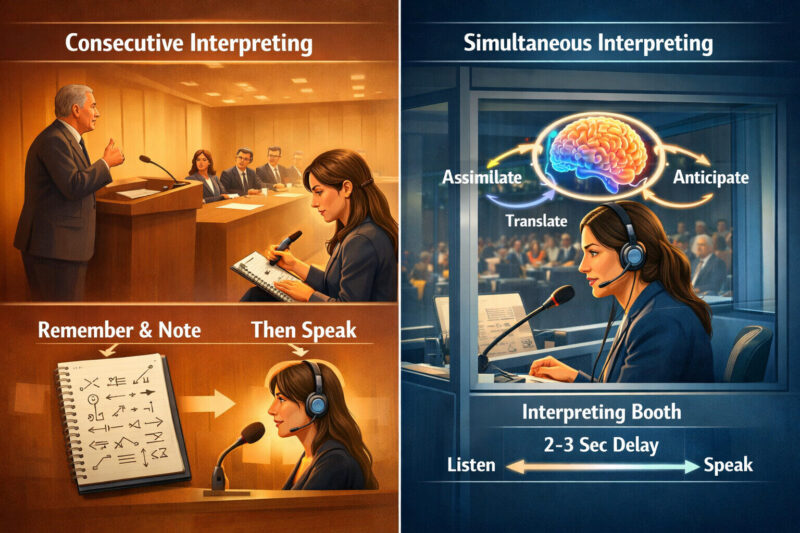
Consecutive and Simultaneous Translation IELTS Reading: Dịch chuẩn & Giải chi tiết

Fears IELTS Reading: Bản dịch chuẩn & giải chi tiết từ A-Z
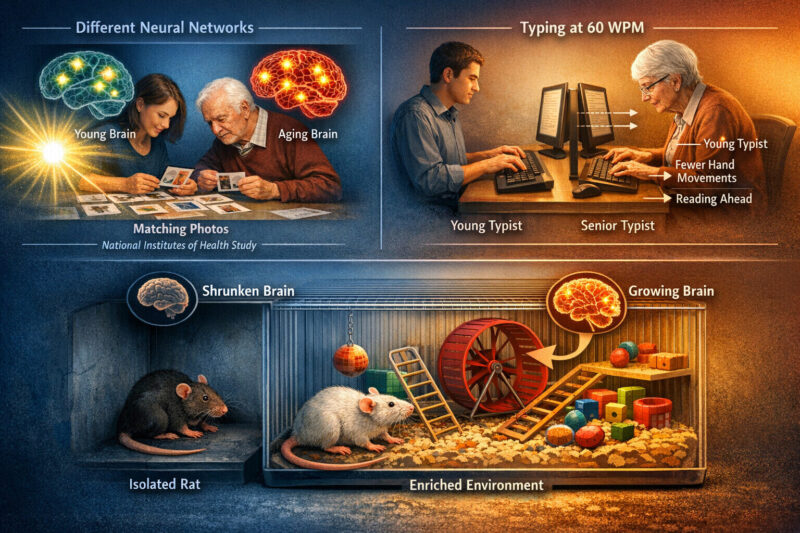
Memory and Age IELTS Reading: Dịch chuẩn & Giải chi tiết

Đáp án & từ vựng bài đọc Photovoltaics on the rooftop IELTS Reading




Lượt Đăng Ký

NHẬN TƯ VẤN NGAY
Vui lòng để lại thông tin để được tư vấn chi tiết lộ trình học và thi IELTS ở trên
