

Bài đọc IELTS “Depression”: Hiểu đúng về trầm cảm & Hướng dẫn giải đề



Tóm Tắt Nội Dung Bài Viết
Bài đọc IELTS “Depression”: Hiểu đúng về trầm cảm & Hướng dẫn giải đề


Tóm Tắt Nội Dung Bài Viết
Sức khỏe tâm thần là một chủ đề ngày càng được quan tâm trong xã hội hiện đại và cũng là một chủ đề thường gặp trong IELTS Reading. Bài đọc “Depression” đi sâu vào các khía cạnh khác nhau của bệnh trầm cảm, từ định nghĩa, triệu chứng đến các phương pháp điều trị. Đây là một bài đọc phức tạp, kiểm tra nhiều kỹ năng cùng lúc. Bài viết này của ECE English sẽ phân tích chi tiết toàn bộ bài đọc, cung cấp đáp án kèm giải thích cặn kẽ và tổng hợp từ vựng quan trọng, giúp bạn tự tin chinh phục bài đọc này.
Bài đọc và câu hỏi chi tiết: Depression
Nội dung bài đọc
(A) It is often more difficult for outsiders and non-sufferers to understand mental rather than physical illness… there is often a stigma attached to being mentally ill, or a belief that such conditions only exist in individuals who lack the strength of character to cope with the real world…
(B) Clinical depression… is said to affect up to almost 20% of the population… Studies have shown that this disorder is the leading cause of disability in North America; in the UK almost 3 million people are said to be diagnosed… and experts believe that as many as a further 9 million other cases may go undiagnosed. …However, such figures are not unanimously supported, as some experts believe that the diagnostic criteria… are not precise enough…
(C) Many of us may experience periods of low morale… Clinical depression is classified as an on-going state of negativity, with no tangible cause, where sufferers enter a spiral of persistent negative thinking, often experiencing irritability, perpetual tiredness and listlessness. Sufferers of clinical depression are said to be at higher risk of resorting to drug abuse or even suicide attempts than the rest of the population.
(D) Clinical depression is generally diagnosed when an individual is observed to exhibit an excessively depressed mood and/or ‘anhedonia’… in conjunction with five or more additional recognised symptoms…
(E) Clinical depression was originally solely attributed to chemical imbalance in the brain… Treatment approaches vary quite dramatically from place to place and are often tailored to an individual’s particular situation… The more controversial electroconvulsive therapy (ECT) may also be used… In extreme cases… psychiatric hospitalisation may be necessary…
(F) …around a quarter of diagnosed clinical depression cases should actually be considered as… ordinary sadness…, indicating that in such cases, psychotherapy rather than treatment through medication is required. Recovery as a result of psychotherapy tends… to be a slower process… however, improvements… have been observed… to be more long term and sustainable… Sessions involve encouragement of an individual to view themselves… in a more positive manner… helping patients to replace negative thoughts with a more positive outlook.
(G) It is apparent that susceptibility to depression can run in families. However, it remains unclear as to whether this is truly an inherited genetic trait or whether biological and environmental factors… may be at the root of the problem…
Câu hỏi
Questions 1-5 (Locating Information) Which paragraph has the information below?
- Details of treatment alternatives for worst-case scenario depression.
- Information regarding cases where drug treatment is inappropriate.
- Details of how those diagnosed with depression may be more vulnerable than other members of society.
- Information about society’s attitudes to depression and similar illnesses.
- Information regarding why estimates of the incidence of future growth in cases may be overly exaggerated.
Questions 6-8 (Multiple Choice – True Statements) Choose THREE letters A-G. Which THREE of the following statements are true of depression?
A. Governments have generally failed to take action to educate the general public about the condition.
B. The highest reported number of cases is in the USA.
C. In Britain, it is likely that there are more individuals who live with the condition without the help of a doctor than those being officially treated.
D. Clinical depression may be triggered by divorce.
E. Lethargy may be one of the symptoms of depression.
F. Prescribed pharmaceuticals have radically changed over recent years.
G. Approaches to treating depression are not universal.
Questions 9-13 (Summary Completion) Complete the summary of paragraphs F and G with the list of words A-L below.
Whilst recovery through counselling rather than medicine may be more 9.__________ , results once achieved may have more 10. __________ with some patients. Counselling sessions are geared towards improving the subject’s relationship with others and their own 11.__________, encouraging sufferers of depression to take on a more 12. __________ outlook. The extent to which genetic disposition and sociological factors impact on state of mind is 13.__________. Many people undergoing counselling therapy do so with the purpose of unlearning negative behaviour and reactions.
Tóm tắt nội dung bài đọc
Bài đọc cung cấp một cái nhìn tổng quan về bệnh trầm cảm lâm sàng.
- Định nghĩa và Nhận thức xã hội: Bài viết bắt đầu bằng việc chỉ ra sự kỳ thị của xã hội đối với bệnh tâm thần so với bệnh thể chất.
- Thống kê và Phân loại: Trầm cảm lâm sàng là một chứng rối loạn nghiêm trọng, ảnh hưởng đến một tỷ lệ lớn dân số và là nguyên nhân hàng đầu gây ra khuyết tật. Tuy nhiên, các số liệu thống kê có thể chưa chính xác do tiêu chí chẩn đoán không rõ ràng.
- Triệu chứng và Rủi ro: Bài viết phân biệt giữa nỗi buồn thông thường và trầm cảm lâm sàng, đồng thời chỉ ra các triệu chứng và nguy cơ cao hơn (lạm dụng thuốc, tự tử) ở những người mắc bệnh.
- Nguyên nhân và Điều trị: Nguyên nhân của trầm cảm rất phức tạp, bao gồm cả yếu tố hóa học, sinh lý và tâm lý xã hội. Các phương pháp điều trị rất đa dạng, từ thuốc, tâm lý trị liệu, đến các biện pháp mạnh hơn như ECT và nhập viện.
- Tranh cãi và Di truyền: Bài viết thảo luận về khả năng chẩn đoán nhầm và so sánh hiệu quả lâu dài của tâm lý trị liệu so với thuốc. Cuối cùng, bài viết đề cập đến cuộc tranh luận về vai trò của di truyền và môi trường đối với bệnh trầm cảm.
Tổng hợp từ vựng và cấu trúc hay trong bài
- Stigma (danh từ): Sự kỳ thị, vết nhơ xã hội.
- Unanimously (trạng từ): Một cách nhất trí, đồng lòng.
- Tangible (tính từ): Hữu hình, có thể cảm nhận được.
- Listlessness (danh từ): Trạng thái bơ phờ, không còn năng lượng hay hứng thú.
- Anhedonia (danh từ): Mất khả năng cảm nhận niềm vui.
- In conjunction with (cụm từ): Kết hợp với, cùng với.
- Psychotherapy (danh từ): Tâm lý trị liệu.
- Susceptibility (danh từ): Khuynh hướng, sự nhạy cảm, dễ bị ảnh hưởng.
Gợi ý đáp án bài đọc và giải thích chi tiết
Questions 1-5
1. E
- Thông tin cần tìm: Các phương pháp điều trị thay thế cho trường hợp trầm cảm nặng nhất.
- Dẫn chứng (Đoạn E): “…In extreme cases… psychiatric hospitalisation may be necessary…”
- Giải thích: Đoạn E mô tả các phương pháp điều trị và đề cập đến việc nhập viện tâm thần cho các “trường hợp nặng”.
2. F
- Thông tin cần tìm: Các trường hợp mà việc điều trị bằng thuốc không phù hợp.
- Dẫn chứng (Đoạn F): “…in such cases, psychotherapy rather than treatment through medication is required.”
- Giải thích: Đoạn F chỉ rõ có những trường hợp cần tâm lý trị liệu thay vì dùng thuốc.
3. C
- Thông tin cần tìm: Người bị trầm cảm dễ bị tổn thương hơn người khác.
- Dẫn chứng (Đoạn C): “Sufferers of clinical depression are said to be at higher risk of resorting to drug abuse or even suicide attempts than the rest of the population.”
- Giải thích: “Higher risk” (nguy cơ cao hơn) cho thấy họ dễ bị tổn thương hơn (“more vulnerable”).
4. A
- Thông tin cần tìm: Thái độ của xã hội đối với bệnh trầm cảm.
- Dẫn chứng (Đoạn A): “…there is often a stigma attached to being mentally ill…”
- Giải thích: Đoạn A nói về sự kỳ thị (“stigma”) của xã hội đối với bệnh tâm thần.
5. B
- Thông tin cần tìm: Lý do các ước tính về sự gia tăng có thể bị phóng đại.
- Dẫn chứng (Đoạn B): “…such figures are not unanimously supported, as some experts believe that the diagnostic criteria… are not precise enough…”
- Giải thích: Đoạn B nói rõ rằng các số liệu không được nhất trí ủng hộ vì tiêu chí chẩn đoán không đủ chính xác, dẫn đến việc phân loại sai.
Questions 6-8
- Đáp án đúng là: C, E, G. C. TRUE: “In Britain, it is likely that there are more individuals who live with the condition without the help of a doctor than those being officially treated.”
- Dẫn chứng (Đoạn B): “…in the UK almost 3 million people are said to be diagnosed… and… a further 9 million other cases may go undiagnosed.”
- Giải thích: 9 triệu (không được chẩn đoán) lớn hơn 3 triệu (được chẩn đoán).
E. TRUE: “Lethargy may be one of the symptoms of depression.”
- Dẫn chứng (Đoạn C): “…often experiencing irritability, perpetual tiredness and listlessness.”
- Giải thích: “Listlessness” (sự bơ phờ, uể oải) là một từ đồng nghĩa rất gần với “Lethargy”.
G. TRUE: “Approaches to treating depression are not universal.”
- Dẫn chứng (Đoạn E): “Treatment approaches vary quite dramatically from place to place and are often tailored to an individual’s particular situation…”
- Giải thích: Việc các phương pháp điều trị “thay đổi rất nhiều tùy nơi” cho thấy chúng không phải là phổ quát (“not universal”).
Questions 9-13
9. I. Gradual
- Dẫn chứng (Đoạn F): “…psychotherapy tends, in most cases, to be a slower process…”
- Giải thích: Quá trình chậm hơn (“slower process”) được diễn giải bằng từ “Gradual” (dần dần, từ từ).
10. B. Longevity
- Dẫn chứng (Đoạn F): “…improvements… have been observed… to be more long term and sustainable…”
- Giải thích: Kết quả “dài hạn và bền vững” (“long term and sustainable”) có nghĩa là có tuổi thọ, sự tồn tại lâu dài (“Longevity”).
11. H. Self-image
- Dẫn chứng (Đoạn F): “…enhancing the subject’s ability to function on a personal and interpersonal level.”
- Giải thích: Khả năng hoạt động ở “cấp độ cá nhân” (“personal level”) liên quan chặt chẽ đến hình ảnh bản thân (“Self-image”).
12. D. Optimistic
- Dẫn chứng (Đoạn F): “…helping patients to replace negative thoughts with a more positive outlook.”
- Giải thích: Một cái nhìn tích cực hơn (“a more positive outlook”) đồng nghĩa với sự lạc quan (“Optimistic”).
13. G. Inconclusive
- Dẫn chứng (Đoạn G): “…it remains unclear as to whether this is truly an inherited genetic trait…”
- Giải thích: Vấn đề vẫn còn “chưa rõ ràng” (“unclear”), có nghĩa là chưa thể kết luận (“Inconclusive”).
Kết bài
Bài đọc “Depression” là một bài thực hành tốt cho các kỹ năng quan trọng như Locating Information và Summary Completion. Đối với dạng Locating Information, hãy đọc lướt tất cả các câu hỏi trước để biết bạn cần tìm những loại thông tin gì. Điều này giúp bạn đọc có mục đích và tiết kiệm thời gian. Hy vọng rằng, với những phân tích chi tiết từ ECE, bạn đã có thêm sự tự tin và chiến lược hiệu quả để đối mặt với các bài đọc phức tạp về chủ đề xã hội và y học.
Mời bạn tham khảo thêm đáp án một số đề IELTS Reading khác:
Sydney Opera House IELTS Reading

Đoàn Nương
Tôi là Đoàn Nương - Giám đốc trung tâm ngoại ngữ ECE. Tôi hiện đang là giảng viên của khoa ngôn ngữ các nước nói tiếng Anh - Trường Đại Học Quốc Gia Hà Nội. Tôi đã có 19 năm kinh nghiệm giảng dạy IELTS và 15 năm là giảng viên Đại Học. Tôi mong muốn đưa ECE trở thành trung tâm ngoại ngữ cho tất cả mọi người, mang tới cho học viên môi trường học tập tiếng Anh chuyên nghiệp và hiệu quả.
Tìm hiểu các khóa học tại ECE
Tin Tức Cùng Danh Mục

The Concept of Childhood in Western Countries IELTS Reading: Dịch & giải chi tiết

The Magic of Kefir IELTS Reading: Dịch bài đọc & đáp án chuẩn
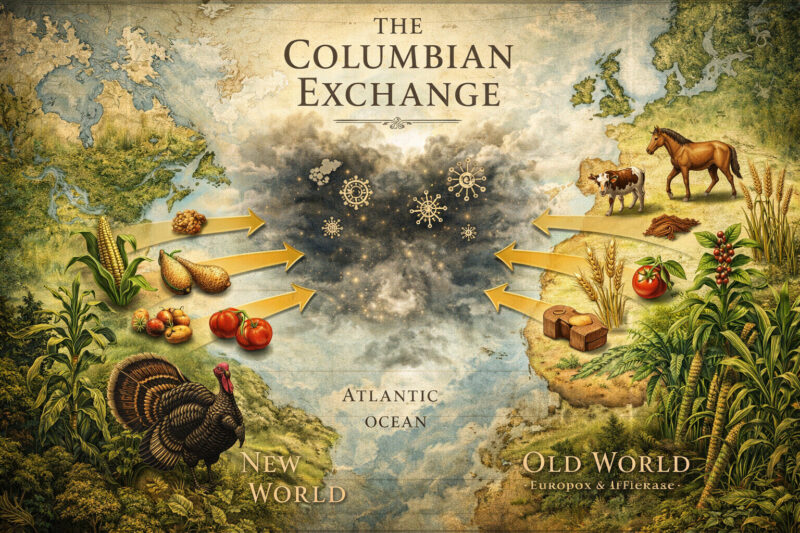
The Columbian Exchange IELTS Reading: Dịch & giải chi tiết A-Z

Giải mã bài đọc: Complementary & alternative medicine IELTS Reading

Stadium Australia IELTS Reading: Giải chi tiết & Dịch nghĩa
Các tin liên quan
The Concept of Childhood in Western Countries IELTS Reading: Dịch & giải chi tiết
The Magic of Kefir IELTS Reading: Dịch bài đọc & đáp án chuẩn
The Columbian Exchange IELTS Reading: Dịch & giải chi tiết A-Z
Giải mã bài đọc: Complementary & alternative medicine IELTS Reading
Stadium Australia IELTS Reading: Giải chi tiết & Dịch nghĩa

Television and Sport IELTS Reading: Dịch chuẩn & Giải đề chi tiết

The Invention of Television IELTS Reading: Từ vựng & đáp án chuẩn

Frogwatch IELTS Reading: Bài dịch & đáp án chuẩn nhất
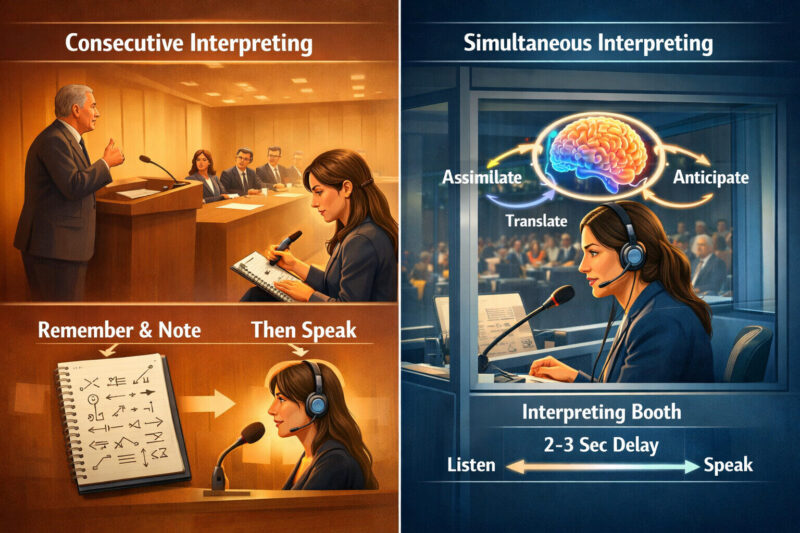
Consecutive and Simultaneous Translation IELTS Reading: Dịch chuẩn & Giải chi tiết
Fears IELTS Reading: Bản dịch chuẩn & giải chi tiết từ A-Z
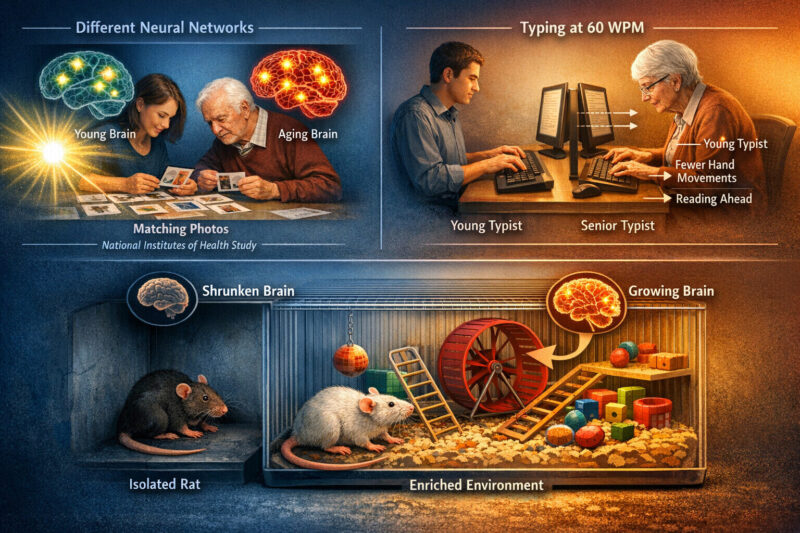
Memory and Age IELTS Reading: Dịch chuẩn & Giải chi tiết
Đáp án & từ vựng bài đọc Photovoltaics on the rooftop IELTS Reading




Lượt Đăng Ký

NHẬN TƯ VẤN NGAY
Vui lòng để lại thông tin để được tư vấn chi tiết lộ trình học và thi IELTS ở trên
