
Giải mã bài đọc IELTS “Gender Selection”: Đáp án & phân tích chi tiết



Tóm Tắt Nội Dung Bài Viết
Giải mã bài đọc IELTS “Gender Selection”: Đáp án & phân tích chi tiết


Tóm Tắt Nội Dung Bài Viết
“Trong lịch sử nhân loại, mong muốn kiểm soát giới tính của con cái đã tồn tại dưới nhiều hình thức, từ những truyền thuyết dân gian đến các quan niệm văn hóa sâu xa. Nhưng liệu khoa học hiện đại có thể vén màn bí ẩn này, đặc biệt là thông qua một yếu tố tưởng chừng đơn giản như chế độ ăn uống.
Bài đọc IELTS “Gender Selection” sẽ đưa chúng ta đi sâu vào những nghiên cứu đột phá, hé lộ mối liên hệ bất ngờ giữa khẩu phần ăn của người mẹ và giới tính của thai nhi. Bài viết này của ECE không chỉ là một tài liệu học thuật về khoa học sinh sản mà còn là một thử thách đáng giá cho kỹ năng đọc hiểu chuyên sâu của bạn, đặc biệt là các dạng bài True/False/Not Given, Matching Endings và Multiple Choice.
Bài đọc và câu hỏi chi tiết: Gender Selection
Nội dung bài đọc
gender selection ielts reading
Gender selection – the choosing of a baby’s gender prior to birth – occurs in many parts of the world. In China and India, for example, a baby’s gender is considered to be of vital importance to the family, and male babies are often preferred over females for cultural reasons. In Western countries as well, there are many reasons why a family might want to choose a baby’s sex. Often, parents wish to have a mix of both boys and girls in the family. There are also health reasons for gender selection: many diseases affect children of only one sex, and a family that is susceptible to these diseases may wish to choose a baby’s gender to avoid having an affected child.
This demand for gender choice by parents has led scientists worldwide to investigate gender selection prior to conception. Conventional wisdom states that the father’s sperm is the main determinant of a child’s gender, but recent research has begun to reveal a number of other possible determining factors.
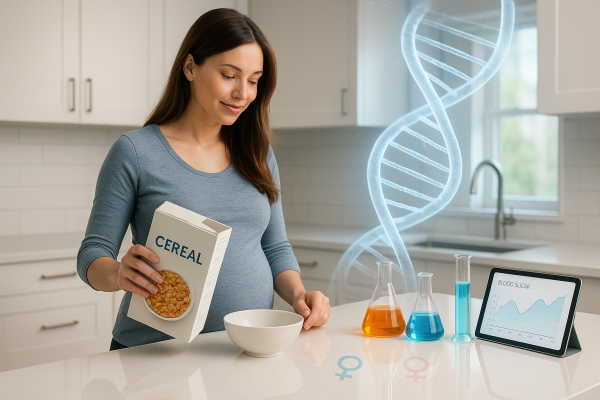
Elissa Cameron’s research, conducted in 2007 at the University of Pretoria, South Africa, investigated the effects of diet on sex ratios at birth. In one experiment, she changed the blood sugar level of female mice prior to conception by putting a chemical in the animals’ water. Mice that received the additive saw their blood sugar levels fall… A separate control group of mice received pure water… In the control group, 41% of the mice were born female, as compared to 47% in the group that received the additive – a disparity that Dr Cameron ascribed to the differences in the mothers’ blood sugar levels.
Interestingly, the idea that blood sugar levels affect a baby’s sex follows traditional wisdom…
Another researcher in this field, Fiona Matthews of the University of Exeter, England, has come up with further evidence in support of the effect of diet on the sex of the unborn child. Her study followed 740 pregnant women who kept detailed records of their diets before conception. Her study found that mothers who consumed high-energy foods prior to conception were slightly more likely to have boys. The food with the greatest effect seemed to be breakfast cereals… Among women eating cereals on a daily basis, 59% had boys, compared with 43% of women who ate less than one bowl of breakfast cereal per week. These results are said to echo those seen in other animals, for example, horses and cows, which statistically bear more males when well-fed.
The eating habits of women in rich Western countries could explain the slight fall in male births that have been reported over the past several years. In the UK, male births are falling by 1 per 1,000 births per year. This decrease could be ascribed to the decline in the number of adults and adolescent girls eating breakfast on a regular basis. In addition, the popularity of low-calorie diets for females of child-bearing age could also be a factor contributing to the reduction in male births.
The recent decline in male births in Western countries appears to make sense if one looks at it from an evolutionary standpoint. Historically, more boys tend to be born in times of food plenty, while females tend to be born in times of scarcity. One explanation is that when food is scarce, it is better for the survival of the species for female children to be born – as one male can father offspring by many females. Lower-calorie diets among Western women could be biologically echoing the effects of scarcity – hence, the decline in male births.
So what can we conclude from this complicated picture? If you would like to have a son, it might be a good idea to eat a breakfast that includes cereal. On the other hand, if you would prefer to give birth to a daughter, then cut out breakfast and continue a weight reduction diet, at least until after conception.
Câu hỏi
Questions 1-8 (True/False/Not Given)
- Mothers in India eat cereal for breakfast so that they will have male babies.
- New drugs have been developed that allow parents to choose the sex of their child.
- People used to think that the father was responsible for the sex of the baby.
- Elissa Cameron used both humans and mice in her research.
- The majority of research on gender selection is happening in Europe.
- People in the United Kingdom often do not eat breakfast.
- Some people think that drinking tea has an effect on the sex of a baby.
- High-calorie diets have been shown to increase the likelihood of female births.
Questions 9-13 (Matching Endings) 9. In Western countries, gender selection 10. Elissa Cameron 11. Fiona Matthews 12. Eating breakfast cereal on a daily basis 13. Evolution seems to support
Question 14 (Multiple Choice – Title) 14. Which of the following is the most suitable title for Reading Passage 1?
A. Eating Cereal Is Good for Pregnant Women
B. Research Says Mice Make Better Mothers
C. Diet May Influence the Sex of Your Baby
D. Asian Research Influences Western Medicine
E. Gender Selection Research Sparks Scientific Debate
Tóm tắt nội dung bài đọc
Bài đọc khám phá chủ đề lựa chọn giới tính thai nhi, tập trung vào mối liên hệ giữa chế độ ăn uống của người mẹ và giới tính của em bé.
- Bối cảnh: Việc lựa chọn giới tính phổ biến ở nhiều nơi vì lý do văn hóa (Ấn Độ, Trung Quốc) hoặc sức khỏe và mong muốn cân bằng gia đình (phương Tây).
- Quan niệm cũ & Nghiên cứu mới: Quan niệm truyền thống cho rằng tinh trùng của người cha quyết định giới tính, nhưng các nghiên cứu gần đây cho thấy chế độ ăn của người mẹ cũng là một yếu tố quan trọng.
- Các nghiên cứu chính:
- Elissa Cameron: Nghiên cứu trên chuột cho thấy mức đường huyết thấp hơn ở chuột mẹ dẫn đến tỷ lệ sinh con cái cao hơn.
- Fiona Matthews: Nghiên cứu trên người cho thấy những phụ nữ ăn thực phẩm năng lượng cao, đặc biệt là ngũ cốc ăn sáng, có nhiều khả năng sinh con trai hơn.
- Hệ quả & Giải thích: Sự sụt giảm số ca sinh con trai ở các nước phương Tây có thể liên quan đến xu hướng bỏ bữa sáng và ăn kiêng ít calo của phụ nữ. Điều này phù hợp với quan điểm tiến hóa rằng con cái thường được sinh ra nhiều hơn trong thời kỳ khan hiếm thức ăn.
Tổng hợp từ vựng trong bài đọc
- Prior to (cụm từ): Trước khi (một cách trang trọng).
- Vital importance (cụm danh từ): Tầm quan trọng sống còn.
- Susceptible to (tính từ): Dễ bị, nhạy cảm với (bệnh tật).
- Determinant (danh từ): Yếu tố quyết định.
- Conventional wisdom (cụm danh từ): Quan niệm/niềm tin phổ biến từ trước đến nay.
- Disparity (danh từ): Sự khác biệt, sự chênh lệch.
- Ascribed to (động từ): Quy cho là do, gán cho là do.
- Scarcity (danh từ): Sự khan hiếm.
Gợi ý đáp án và giải thích chi tiết
Questions 1-8
1. NOT GIVEN
- Keywords: Mothers in India, eat cereal.
- Giải thích: Bài đọc có nhắc đến Ấn Độ trong bối cảnh ưu tiên con trai vì lý do văn hóa, và nhắc đến ngũ cốc trong nghiên cứu của Fiona Matthews. Tuy nhiên, không có thông tin nào liên kết hai điều này, tức là không có câu nào nói rằng các bà mẹ ở Ấn Độ ăn ngũ cốc để sinh con trai.
2. NOT GIVEN
- Keywords: New drugs.
- Giải thích: Toàn bộ bài đọc chỉ tập trung vào các yếu tố tự nhiên, đặc biệt là chế độ ăn uống. Không có bất kỳ thông tin nào về việc các loại “thuốc” (“drugs”) mới đã được phát triển.
3. TRUE
- Keywords: People used to think, father was responsible.
- Dẫn chứng (Đoạn 2): “Conventional wisdom states that the father’s sperm is the main determinant of a child’s gender…”
- Giải thích: “Conventional wisdom” (quan niệm truyền thống) chính là “people used to think” (mọi người đã từng nghĩ).
4. FALSE
- Keywords: Elissa Cameron, humans and mice.
- Dẫn chứng (Đoạn 3): Đoạn văn chỉ mô tả thí nghiệm của Cameron trên “female mice” (chuột cái).
- Giải thích: Không có thông tin nào cho thấy bà sử dụng con người trong nghiên cứu của mình.
5. NOT GIVEN
- Keywords: Majority of research, in Europe.
- Giải thích: Bài đọc có đề cập đến một nghiên cứu ở Nam Phi (Cameron) và một ở Anh (Matthews). Mặc dù Anh thuộc Châu Âu, nhưng không có thông tin nào khẳng định “phần lớn” (“majority”) nghiên cứu đang diễn ra ở đây.
6. TRUE
- Keywords: United Kingdom, not eat breakfast.
- Dẫn chứng (Đoạn 6): “This decrease could be ascribed to the decline in the number of adults and adolescent girls eating breakfast on a regular basis.”
- Giải thích: Việc “suy giảm số lượng người ăn sáng thường xuyên” có nghĩa là mọi người ở Anh thường không ăn sáng.
7. NOT GIVEN
- Giải thích: Bài đọc không hề nhắc đến “trà” (“tea”) trong bất kỳ bối cảnh nào liên quan đến giới tính em bé.
8. FALSE
- Keywords: High-calorie diets, increase, female births.
- Dẫn chứng (Đoạn 5): “Her study found that mothers who consumed high-energy foods prior to conception were slightly more likely to have boys.”
- Giải thích: Chế độ ăn nhiều năng lượng (high-calorie/high-energy) làm tăng khả năng sinh con trai, không phải con gái.
Questions 9-13
9. G. sometimes occurs for health reasons.
- Dẫn chứng (Đoạn 1): “There are also health reasons for gender selection…”
10. A. artificially decreased the blood sugar levels of mice.
- Dẫn chứng (Đoạn 3): “…she changed the blood sugar level of female mice… by putting a chemical in the animals’ water.”
11. C. asked patients to write down everything that they ate and when they ate it.
- Dẫn chứng (Đoạn 5): “…followed 740 pregnant women who kept detailed records of their diets…”
12. K. seems to increase the likelihood of male births.
- Dẫn chứng (Đoạn 5): “Among women eating cereals on a daily basis, 59% had boys…”
13. D. the influence of food scarcity upon sex ratios at birth.
- Dẫn chứng (Đoạn 7): “…more boys tend to be born in times of food plenty, while females tend to be born in times of scarcity.”
Question 14
14. C. Diet May Influence the Sex of Your Baby
Giải thích: Đây là tiêu đề bao quát và chính xác nhất cho toàn bộ bài đọc. Bài viết tập trung vào các nghiên cứu khoa học cho thấy chế độ ăn uống (“Diet”) có thể là một yếu tố ảnh hưởng (“Influence”) đến giới tính (“Sex”) của em bé. Các lựa chọn khác đều quá hẹp hoặc không chính xác.
Bài đọc “Gender Selection” là một ví dụ điển hình về cách bài thi IELTS khai thác các chủ đề khoa học xã hội để kiểm tra kỹ năng đọc hiểu và suy luận. Qua việc phân tích bài đọc, chúng ta đã thực hành nhuần nhuyễn ba dạng bài quan trọng: True/False/Not Given, Matching Endings và Multiple Choice. Bài học rút ra là hãy luôn đọc kỹ và phân biệt giữa quan niệm cũ và phát hiện mới, giữa các nghiên cứu khác nhau để tránh nhầm lẫn. Hy vọng rằng, với những phân tích chi tiết từ ECE, bạn sẽ tự tin hơn khi đối mặt với các bài đọc tương tự.

Đoàn Nương
Tôi là Đoàn Nương - Giám đốc trung tâm ngoại ngữ ECE. Tôi hiện đang là giảng viên của khoa ngôn ngữ các nước nói tiếng Anh - Trường Đại Học Quốc Gia Hà Nội. Tôi đã có 19 năm kinh nghiệm giảng dạy IELTS và 15 năm là giảng viên Đại Học. Tôi mong muốn đưa ECE trở thành trung tâm ngoại ngữ cho tất cả mọi người, mang tới cho học viên môi trường học tập tiếng Anh chuyên nghiệp và hiệu quả.
Tìm hiểu các khóa học tại ECE
Tin Tức Cùng Danh Mục

The Concept of Childhood in Western Countries IELTS Reading: Dịch & giải chi tiết
The Magic of Kefir IELTS Reading: Dịch bài đọc & đáp án chuẩn
The Columbian Exchange IELTS Reading: Dịch & giải chi tiết A-Z
Giải mã bài đọc: Complementary & alternative medicine IELTS Reading

Stadium Australia IELTS Reading: Giải chi tiết & Dịch nghĩa
Các tin liên quan
The Concept of Childhood in Western Countries IELTS Reading: Dịch & giải chi tiết
The Magic of Kefir IELTS Reading: Dịch bài đọc & đáp án chuẩn
The Columbian Exchange IELTS Reading: Dịch & giải chi tiết A-Z
Giải mã bài đọc: Complementary & alternative medicine IELTS Reading
Stadium Australia IELTS Reading: Giải chi tiết & Dịch nghĩa

Television and Sport IELTS Reading: Dịch chuẩn & Giải đề chi tiết
The Invention of Television IELTS Reading: Từ vựng & đáp án chuẩn
Frogwatch IELTS Reading: Bài dịch & đáp án chuẩn nhất
Consecutive and Simultaneous Translation IELTS Reading: Dịch chuẩn & Giải chi tiết
Fears IELTS Reading: Bản dịch chuẩn & giải chi tiết từ A-Z
Memory and Age IELTS Reading: Dịch chuẩn & Giải chi tiết
Đáp án & từ vựng bài đọc Photovoltaics on the rooftop IELTS Reading




Lượt Đăng Ký

NHẬN TƯ VẤN NGAY
Vui lòng để lại thông tin để được tư vấn chi tiết lộ trình học và thi IELTS ở trên
