
Tổng hợp 5 đề thi IELTS Reading miễn phí (có đáp án)



Tóm Tắt Nội Dung Bài Viết
Tổng hợp 5 đề thi IELTS Reading miễn phí (có đáp án)


Tóm Tắt Nội Dung Bài Viết
IELTS Reading luôn là một thử thách không nhỏ, đòi hỏi thí sinh không chỉ có vốn từ vựng phong phú mà còn phải nắm vững các chiến lược đọc hiểu và xử lý nhiều dạng câu hỏi đa dạng. Với mong muốn hỗ trợ các bạn chinh phục band điểm mơ ước, ECE đã tổng hợp và biên soạn 5 đề thi IELTS Reading nổi bật, mô phỏng chân thực format và độ khó của kỳ thi thật.
Dù bạn đang làm quen với các dạng bài như True/False/Not Given, Matching Headings, Multiple Choice hay muốn nâng cao kỹ năng xử lý các câu hỏi Matching Features, Short Answer Questions, Completing Tables, Completing Sentences, Completing Diagrams, bộ tài liệu này đều cung cấp những bài tập chất lượng cao. Đặc biệt, mỗi bài đọc đều đi kèm với phần chấm chữa và giải thích chi tiết, giúp bạn hiểu rõ lý do của từng đáp án, cách xác định thông tin trong bài, và áp dụng các chiến lược làm bài hiệu quả.
5 đề IELTS Reading miễn phí kèm đáp án chi tiết (Tổng hợp bởi ECE)
Đề số 1: The Enigma of Sleep – Decoding Our Nocturnal Lives
Passage 1: The Science Behind Our Slumber
Sleep is a fundamental human need, as vital to our health as eating, drinking, and breathing. It’s a complex, dynamic state rather than a passive one. For centuries, the exact purpose and mechanisms of sleep remained largely a mystery. However, advancements in neuroscience and sleep research over the past few decades have shed considerable light on this enigmatic process, revealing its profound impact on our physical and mental well-being.
Scientists typically divide sleep into two basic types: Rapid Eye Movement (REM) sleep and non-Rapid Eye Movement (NREM) sleep. NREM sleep is further categorized into three stages, each progressively deeper. Stage 1 NREM is a light sleep, a transition from wakefulness. Stage 2 NREM is characterized by a slower heart rate and a drop in body temperature. Stage 3 NREM, often referred to as “deep sleep” or “slow-wave sleep,” is the most restorative stage, crucial for physical recovery and growth. During this stage, brain waves slow significantly, and it’s hardest to awaken someone.
REM sleep, on the other hand, is the stage where most dreaming occurs. Despite the body being largely paralyzed (a protective mechanism to prevent us from acting out our dreams), brain activity during REM sleep is remarkably similar to that of wakefulness. This stage is particularly important for cognitive functions, including memory consolidation, learning, and emotional processing. A typical night’s sleep involves cycling through these NREM and REM stages multiple times, with each cycle lasting approximately 90-110 minutes. Early in the night, NREM deep sleep dominates, while REM sleep periods become longer towards morning.
The benefits of adequate sleep are vast and multifaceted. Physically, sleep allows the body to repair and regenerate, strengthening the immune system and regulating hormones essential for appetite and metabolism. Mentally, it clears the mind, enhances problem-solving skills, and improves concentration and mood. Chronic sleep deprivation, conversely, has detrimental effects, ranging from impaired cognitive function and reduced productivity to an increased risk of serious health conditions like obesity, diabetes, and cardiovascular disease. Understanding these intricate processes is key to appreciating sleep not as a luxury, but as an indispensable pillar of a healthy life.
Questions
Questions 1-5: True/False/Not Given
Do the following statements agree with the information given in Passage 1? In boxes 1-5 on your answer sheet, write:
- TRUE if the statement agrees with the information
- FALSE if the statement contradicts the information
- NOT GIVEN if there is no information on this
- Sleep is considered less important for human health than eating or drinking.
- Scientists have only recently begun to understand the basic functions of sleep.
- During Stage 3 NREM sleep, it is very easy to wake a person up.
- Dreams primarily occur during the NREM sleep stages.
- Lack of sleep can make it harder for people to concentrate.
Questions 6-9: Matching Headings
The passage has five paragraphs, A-E. Choose the correct heading for paragraphs A-D from the list of headings below. Write the correct number, i-viii, in boxes 6-9 on your answer sheet. Note: Paragraph A is the first paragraph. Paragraph E is the last paragraph.
List of Headings i. The Two Main Categories of Sleep ii. Sleep Cycles and Their Duration iii. The Historical Misconceptions about Sleep iv. The Essential Role of Sleep in Health v. The Benefits of Deep Sleep for Memory vi. Early Research into Sleep Patterns vii. Sleep as a Complex Biological Process viii. The Dangers of Insomnia
- Paragraph A
- Paragraph B
- Paragraph C
- Paragraph D
Answer Key and Detailed Explanations
True/False/Not Given Answers and Explanations
- Sleep is considered less important for human health than eating or drinking.
- Answer: FALSE
- Location: Paragraph A, sentence 1: “Sleep is a fundamental human need, as vital to our health as eating, drinking, and breathing.”
- Explanation: The passage explicitly states that sleep is “as vital” (ngang tầm quan trọng) với ăn uống và thở. Phát biểu này mâu thuẫn trực tiếp với thông tin trong bài.
- Scientists have only recently begun to understand the basic functions of sleep.
- Answer: FALSE
- Location: Paragraph A, sentences 2-3: “For centuries, the exact purpose and mechanisms of sleep remained largely a mystery. However, advancements in neuroscience and sleep research over the past few decades have shed considerable light on this enigmatic process…”
- Explanation: Mặc dù bài viết nói rằng “trong nhiều thế kỷ” nó vẫn là bí ẩn, nhưng đã có “tiến bộ trong vài thập kỷ qua” đã làm sáng tỏ. Từ “only recently” (chỉ gần đây) mâu thuẫn với ý “advancements… over the past few decades” (tiến bộ trong vài thập kỷ qua), ám chỉ đã có hiểu biết đáng kể trong một khoảng thời gian tương đối chứ không phải “chỉ mới bắt đầu”.
- During Stage 3 NREM sleep, it is very easy to wake a person up.
- Answer: FALSE
- Location: Paragraph B, sentence 5: “During this stage [Stage 3 NREM], brain waves slow significantly, and it’s hardest to awaken someone.”
- Explanation: Bài đọc rõ ràng nói rằng đây là giai đoạn “khó đánh thức nhất” (hardest to awaken), hoàn toàn trái ngược với “very easy to wake up”.
- Dreams primarily occur during the NREM sleep stages.
- Answer: FALSE
- Location: Paragraph C, sentence 1: “REM sleep, on the other hand, is the stage where most dreaming occurs.”
- Explanation: Thông tin trong bài chỉ ra rằng hầu hết các giấc mơ xảy ra trong giai đoạn REM, không phải NREM.
- Lack of sleep can make it harder for people to concentrate.
- Answer: TRUE
- Location: Paragraph D, sentence 4: “Chronic sleep deprivation, conversely, has detrimental effects, ranging from impaired cognitive function and reduced productivity to an increased risk of serious health conditions…”
- Explanation: “Impaired cognitive function” (suy giảm chức năng nhận thức) bao gồm khả năng tập trung (concentration). Việc thiếu ngủ kinh niên gây ra những ảnh hưởng tiêu cực, trong đó có suy giảm chức năng nhận thức, ám chỉ khả năng tập trung cũng bị ảnh hưởng.
Matching Headings Answers and Explanations
- Paragraph A
- Answer: vii. Sleep as a Complex Biological Process
- Explanation: Đoạn A giới thiệu tổng quan về giấc ngủ, khẳng định nó là một nhu cầu thiết yếu và là một “complex, dynamic state” (trạng thái phức tạp, năng động) mà khoa học đã bắt đầu giải mã. Điều này hoàn toàn khớp với ý nghĩa của “Sleep as a Complex Biological Process”. Các lựa chọn khác không bao quát được ý chính của đoạn này.
- Paragraph B
- Answer: i. The Two Main Categories of Sleep
- Explanation: Đoạn B tập trung vào việc phân loại giấc ngủ thành hai loại chính: REM và NREM, sau đó đi sâu vào các giai đoạn của NREM. Tiêu đề này mô tả chính xác nội dung cốt lõi của đoạn.
- Paragraph C
- Answer: ii. Sleep Cycles and Their Duration
- Explanation: Đoạn C mô tả về REM sleep và tầm quan trọng của nó, đồng thời đề cập đến việc “A typical night’s sleep involves cycling through these NREM and REM stages multiple times, with each cycle lasting approximately 90-110 minutes.” (Một đêm ngủ điển hình bao gồm việc luân chuyển qua các giai đoạn NREM và REM nhiều lần, mỗi chu kỳ kéo dài khoảng 90-110 phút). Mặc dù có nói về REM, nhưng ý chính bao quát hơn là về các chu kỳ ngủ và thời lượng của chúng.
- Paragraph D
- Answer: iv. The Essential Role of Sleep in Health
- Explanation: Đoạn D thảo luận về những lợi ích to lớn của việc ngủ đủ giấc (“The benefits of adequate sleep are vast and multifaceted”) cả về thể chất lẫn tinh thần, và đồng thời cảnh báo về hậu quả của thiếu ngủ kinh niên. Đây chính là việc nhấn mạnh vai trò thiết yếu của giấc ngủ đối với sức khỏe tổng thể.
Đề số 2: The Silent Architects – How Fungi Shape Our World
Passage 2: The Ubiquitous and Indispensable Kingdom
Fungi, often overlooked or simply associated with mushrooms on pizza, represent an extraordinarily diverse and vital kingdom of life. Neither plant nor animal, they occupy their own unique evolutionary branch, boasting an estimated 2.2 to 3.8 million species, only about 120,000 of which have been formally described. From the microscopic yeasts that ferment our bread and beer to the vast networks of mycelium sprawling beneath forest floors, fungi play an indispensable role in nearly every ecosystem on Earth.
Their ecological significance stems primarily from their role as decomposers. Unlike plants, which produce their own food through photosynthesis, or animals, which ingest food, fungi secrete powerful enzymes into their environment. These enzymes break down complex organic matter – dead plants, animals, and waste products – into simpler substances, which the fungi then absorb. This process is crucial for recycling nutrients, making them available for other organisms, and thus maintaining the fertility of soils worldwide. Without fungi, the Earth would be buried under mountains of undecomposed organic debris.
Beyond decomposition, fungi form a myriad of fascinating symbiotic relationships. The most widespread are mycorrhizal associations, where fungi live in close proximity to plant roots. In this mutually beneficial partnership, the fungus extends its hyphae (root-like structures) far into the soil, vastly increasing the plant’s access to water and essential nutrients like phosphorus and nitrogen. In return, the plant provides the fungus with carbohydrates produced during photosynthesis. This relationship is so vital that an estimated 90% of all plant species, including most crops, rely on mycorrhizal fungi for optimal growth.
Lichens, another remarkable symbiotic entity, are a partnership between a fungus and an alga (or cyanobacterium). Here, the fungus provides a protective structure, moisture, and minerals, while the alga performs photosynthesis, supplying food for both. Lichens are incredible pioneers, capable of colonizing harsh environments like bare rock, where they slowly contribute to soil formation.
The economic and medical importance of fungi is equally profound. Yeasts are fundamental to baking and brewing industries. Penicillin, the first widely used antibiotic, was discovered from the fungus Penicillium chrysogenum, revolutionizing medicine. Fungi are also increasingly used in bioremediation, helping clean up oil spills and other pollutants. Despite their immense contributions, many fungal species remain a mystery, underscoring the vast potential yet to be uncovered in this silent, powerful kingdom.
Questions
Questions 1-4: Matching Features
Look at the following descriptions (Questions 1-4) and the list of relationships below. Match each description with the correct relationship, A, B, or C. Write the correct letter, A, B, or C, in boxes 1-4 on your answer sheet.
List of Relationships A. Decomposer relationship B. Mycorrhizal association C. Lichen partnership
- A process that converts dead organic material into simpler forms.
- A relationship crucial for the efficient uptake of water and nutrients by plants.
- A partnership involving an organism that creates its own food and another that provides protection.
- A process where enzymes are secreted externally to break down substances for absorption.
Questions 5-8: Short Answer Questions
Answer the questions below. Choose NO MORE THAN TWO WORDS from the passage for each answer. Write your answers in boxes 5-8 on your answer sheet.
- Approximately how many fungal species have been officially identified?
- What does the fungus receive from plants in a mycorrhizal association?
- What kind of challenging environments can lichens colonize?
- Which revolutionary medicine was derived from a fungus?
Questions 9-13: Sentence Completion
Complete the sentences below. Choose NO MORE THAN THREE WORDS from the passage for each answer. Write your answers in boxes 9-13 on your answer sheet.
- Fungi are distinct from both plants and animals, belonging to their own ______.
- If not for fungi, the Earth would be covered by a huge amount of ______.
- Mycorrhizal fungi enable plants to gain much better access to water and ______ in the soil.
- Lichens are considered ______ because they can survive in extremely difficult places and help create soil.
- Beyond their ecological roles, fungi are also increasingly used in ______ to help clean up pollution.
Answer Key and Detailed Explanations
Matching Features Answers and Explanations
- A process that converts dead organic material into simpler forms.
- Answer: A. Decomposer relationship
- Location: Paragraph 2, sentences 2-3: “Unlike plants… fungi secrete powerful enzymes into their environment. These enzymes break down complex organic matter – dead plants, animals, and waste products – into simpler substances, which the fungi then absorb.”
- Explanation: Định nghĩa này khớp hoàn hảo với vai trò của nấm trong mối quan hệ phân hủy. Từ khóa “break down complex organic matter into simpler substances” chỉ rõ quá trình này.
- A relationship crucial for the efficient uptake of water and nutrients by plants.
- Answer: B. Mycorrhizal association
- Location: Paragraph 3, sentence 3: “In this mutually beneficial partnership, the fungus extends its hyphae… vastly increasing the plant’s access to water and essential nutrients like phosphorus and nitrogen.”
- Explanation: Đoạn 3 mô tả trực tiếp cách nấm mycorrhizal giúp cây trồng hấp thụ nước và chất dinh dưỡng hiệu quả hơn.
- A partnership involving an organism that creates its own food and another that provides protection.
- Answer: C. Lichen partnership
- Location: Paragraph 4, sentence 2: “Here, the fungus provides a protective structure, moisture, and minerals, while the alga performs photosynthesis, supplying food for both.”
- Explanation: Trong mối quan hệ của địa y, tảo (alga) tạo ra thức ăn (photosynthesis) và nấm (fungus) cung cấp sự bảo vệ (protective structure). Điều này hoàn toàn khớp với mô tả.
- A process where enzymes are secreted externally to break down substances for absorption.
- Answer: A. Decomposer relationship
- Location: Paragraph 2, sentence 2: “fungi secrete powerful enzymes into their environment. These enzymes break down complex organic matter… which the fungi then absorb.”
- Explanation: Đây là mô tả chính xác về cách nấm thực hiện quá trình phân hủy, giải phóng enzyme ra bên ngoài cơ thể để tiêu hóa thức ăn trước khi hấp thụ.
Short Answer Questions Answers and Explanations
- Approximately how many fungal species have been officially identified?
- Answer: 120,000 species (hoặc “about 120,000”)
- Location: Paragraph 1, sentence 3: “boasting an estimated 2.2 to 3.8 million species, only about 120,000 of which have been formally described.”
- Explanation: Câu hỏi hỏi về số lượng “officially identified” (được chính thức xác định), từ đồng nghĩa với “formally described”.
- What does the fungus receive from plants in a mycorrhizal association?
- Answer: carbohydrates
- Location: Paragraph 3, sentence 4: “In return, the plant provides the fungus with carbohydrates produced during photosynthesis.”
- Explanation: Đoạn văn nói rõ cây cung cấp “carbohydrates” cho nấm.
- What kind of challenging environments can lichens colonize?
- Answer: harsh environments (hoặc “bare rock”)
- Location: Paragraph 4, sentence 3: “Lichens are incredible pioneers, capable of colonizing harsh environments like bare rock…”
- Explanation: Từ “challenging environments” có thể được thay thế bằng “harsh environments” hoặc ví dụ cụ thể “bare rock”. Cả hai đều không quá hai từ.
- Which revolutionary medicine was derived from a fungus?
- Answer: Penicillin
- Location: Paragraph 5, sentence 2: “Penicillin, the first widely used antibiotic, was discovered from the fungus Penicillium chrysogenum, revolutionizing medicine.”
- Explanation: Tên của loại thuốc được đề cập trực tiếp là Penicillin.
Sentence Completion Answers and Explanations
- Fungi are distinct from both plants and animals, belonging to their own ______.
- Answer: evolutionary branch (hoặc “unique evolutionary branch”)
- Location: Paragraph 1, sentence 2: “Neither plant nor animal, they occupy their own unique evolutionary branch…”
- Explanation: Câu này yêu cầu cụm từ mô tả vị trí của nấm trong hệ thống phân loại. “Evolutionary branch” là cụm từ chính xác.
- If not for fungi, the Earth would be covered by a huge amount of ______.
- Answer: undecomposed organic debris
- Location: Paragraph 2, sentence 5: “Without fungi, the Earth would be buried under mountains of undecomposed organic debris.”
- Explanation: Cụm từ “undecomposed organic debris” trực tiếp trả lời câu hỏi về vật chất sẽ tích tụ nếu không có nấm.
- Mycorrhizal fungi enable plants to gain much better access to water and ______ in the soil.
- Answer: essential nutrients (hoặc “phosphorus and nitrogen”)
- Location: Paragraph 3, sentence 3: “vastly increasing the plant’s access to water and essential nutrients like phosphorus and nitrogen.”
- Explanation: Bài viết liệt kê “essential nutrients” và cụ thể là “phosphorus and nitrogen”. Cả hai đều phù hợp và không quá ba từ.
- Lichens are considered ______ because they can survive in extremely difficult places and help create soil.
- Answer: incredible pioneers
- Location: Paragraph 4, sentence 3: “Lichens are incredible pioneers, capable of colonizing harsh environments like bare rock, where they slowly contribute to soil formation.”
- Explanation: Cụm từ “incredible pioneers” được dùng để mô tả khả năng đặc biệt của địa y trong các môi trường khắc nghiệt.
- Beyond their ecological roles, fungi are also increasingly used in ______ to help clean up pollution.
- Answer: bioremediation
- Location: Paragraph 5, sentence 4: “Fungi are also increasingly used in bioremediation, helping clean up oil spills and other pollutants.”
- Explanation: “Bioremediation” là thuật ngữ được sử dụng trực tiếp để chỉ việc sử dụng nấm trong việc làm sạch ô nhiễm.
Đề số 3: The Rise of Digital Nomads – Work, Life, and Wanderlust in the 21st Century
Passage 3: The Untethered Workforce
The concept of work has undergone a radical transformation in the 21st century. No longer confined to the traditional office cubicle, a growing segment of the global workforce is embracing a lifestyle that blends professional responsibilities with constant travel: the digital nomad. These individuals leverage technology – primarily laptops, smartphones, and reliable internet access – to perform their jobs remotely, enabling them to live and work from virtually anywhere in the world.
The emergence of digital nomadism is a confluence of several factors. Firstly, the rapid advancement of technology, particularly cloud computing and video conferencing tools, has made remote collaboration seamless and efficient. Secondly, a shifting cultural perspective prioritizes experiences and personal freedom over traditional career paths and material possessions. Finally, the increasing cost of living in major cities, coupled with the desire for a better work-life balance, has driven many to seek more affordable locations and flexible schedules.
While the appeal of this lifestyle is undeniable – imagine working from a beach in Bali or a mountain cabin in Switzerland – it comes with its own unique set of challenges. Digital nomads often grapple with issues like maintaining stable internet connections in remote areas, managing different time zones for client meetings, and navigating visa and tax complexities across various countries. Loneliness and the lack of a consistent social support system can also be significant hurdles, as fleeting interactions replace deeper community ties.
Despite these challenges, the digital nomad movement continues to grow, attracting professionals from a wide range of industries, including web development, graphic design, content writing, online marketing, and virtual assistance. Governments and local economies are increasingly recognizing the potential benefits of this trend, with some countries even offering special “digital nomad visas” to attract these high-skilled, self-sufficient individuals who contribute to the local economy without competing for local jobs.
The future of work is undoubtedly leaning towards greater flexibility and remote possibilities, and digital nomadism stands as a prominent example of this evolution. As technology continues to improve and societal norms adapt, it’s likely that this untethered approach to work will become an even more integrated and accepted part of the global economy, reshaping not only how we work but also where and how we live.
Questions
Questions 1-5: Multiple Choice
Choose the correct letter, A, B, C or D. Write the correct letter in boxes 1-5 on your answer sheet.
- What is the primary characteristic that defines a “digital nomad”? A. They exclusively work in technology-related fields. B. They live in expensive global cities. C. They use technology to work remotely while traveling. D. They prefer traditional office environments.
- Which of the following is NOT mentioned as a factor contributing to the rise of digital nomadism? A. Progress in technological tools. B. A cultural shift towards experiences. C. The desire for more job security. D. High living costs in urban areas.
- One of the main difficulties digital nomads face is: A. Finding affordable travel insurance. B. Dealing with unreliable internet access. C. Learning new languages in every country. D. Securing traditional employment contracts.
- Which industries are specifically mentioned as being popular among digital nomads? A. Manufacturing and retail. B. Web development and content writing. C. Healthcare and education. D. Agriculture and construction.
- What trend are some governments observing about digital nomads? A. They are taking jobs away from local citizens. B. They require extensive social welfare support. C. They contribute positively to the local economy. D. They primarily work in low-skilled positions.
Questions 6-9: Completing Tables
Complete the table below. Choose NO MORE THAN TWO WORDS from the passage for each answer. Write your answers in boxes 6-9 on your answer sheet.
Questions 10-13: Matching Information
Look at the following statements (Questions 10-13) and paragraphs A-E. Which paragraph contains the following information? Write the correct letter, A-E, in boxes 10-13 on your answer sheet. You may use any letter more than once.
- A prediction about the future integration of remote work into the global economy.
- Examples of jobs commonly pursued by digital nomads.
- The specific technological tools that facilitate remote work.
- The economic motivations behind individuals choosing this lifestyle.
Answer Key and Detailed Explanations
Multiple Choice Answers and Explanations
- What is the primary characteristic that defines a “digital nomad”?
- Answer: C. They use technology to work remotely while traveling.
- Location: Paragraph A, sentence 2: “These individuals leverage technology – primarily laptops, smartphones, and reliable internet access – to perform their jobs remotely, enabling them to live and work from virtually anywhere in the world.”
- Explanation: Định nghĩa cốt lõi của digital nomad được đưa ra ngay từ đoạn đầu, nhấn mạnh việc sử dụng công nghệ để làm việc từ xa trong khi di chuyển. Các lựa chọn khác không phải là đặc điểm chính hoặc không đúng.
- Which of the following is NOT mentioned as a factor contributing to the rise of digital nomadism?
- Answer: C. The desire for more job security.
- Location: Paragraph B. Factors mentioned are: “rapid advancement of technology” (A), “a shifting cultural perspective prioritizes experiences and personal freedom” (B), and “increasing cost of living in major cities” (D).
- Explanation: Bài viết liệt kê ba yếu tố chính: công nghệ, thay đổi văn hóa và chi phí sinh hoạt/mong muốn cân bằng cuộc sống. “The desire for more job security” không được đề cập.
- One of the main difficulties digital nomads face is:
- Answer: B. Dealing with unreliable internet access.
- Location: Paragraph C, sentence 2: “Digital nomads often grapple with issues like maintaining stable internet connections in remote areas…”
- Explanation: Đây là một trong những thách thức cụ thể được liệt kê. Các lựa chọn A, C, D không được đề cập trực tiếp là khó khăn chính.
- Which industries are specifically mentioned as being popular among digital nomads?
- Answer: B. Web development and content writing.
- Location: Paragraph D, sentence 1: “…attracting professionals from a wide range of industries, including web development, graphic design, content writing, online marketing, and virtual assistance.”
- Explanation: Lựa chọn B bao gồm hai trong số các ngành nghề được liệt kê trực tiếp trong bài.
- What trend are some governments observing about digital nomads?
- Answer: C. They contribute positively to the local economy.
- Location: Paragraph D, sentence 3: “…with some countries even offering special ‘digital nomad visas’ to attract these high-skilled, self-sufficient individuals who contribute to the local economy without competing for local jobs.”
- Explanation: Bài viết nêu rõ rằng các chính phủ nhận ra lợi ích kinh tế mà digital nomads mang lại (“contribute to the local economy”).
Completing Tables Answers and Explanations
- Enabling Technology: Cloud computing and ______
- Answer: video conferencing
- Location: Paragraph B, sentence 1: “…particularly cloud computing and video conferencing tools, has made remote collaboration seamless and efficient.”
- Explanation: Bài viết chỉ ra “video conferencing tools” là công nghệ hỗ trợ cùng với điện toán đám mây.
- Cultural Shift: Prioritises experiences and ______
- Answer: personal freedom
- Location: Paragraph B, sentence 2: “…a shifting cultural perspective prioritizes experiences and personal freedom over traditional career paths and material possessions.”
- Explanation: Văn hóa mới nhấn mạnh “experiences” và “personal freedom”.
- Challenges (Social): Loneliness and lack of ______
- Answer: social support (system)
- Location: Paragraph C, sentence 3: “Loneliness and the lack of a consistent social support system can also be significant hurdles…”
- Explanation: Thách thức xã hội được đề cập là “loneliness” và “lack of a consistent social support system”.
- Economic Recognition: Some countries offer ______ visas
- Answer: digital nomad
- Location: Paragraph D, sentence 3: “…with some countries even offering special ‘digital nomad visas’…”
- Explanation: Các quốc gia đang cung cấp “digital nomad visas” để thu hút nhóm đối tượng này.
Matching Information Answers and Explanations
- A prediction about the future integration of remote work into the global economy.
- Answer: E
- Location: Paragraph E, sentences 2-3: “As technology continues to improve and societal norms adapt, it’s likely that this untethered approach to work will become an even more integrated and accepted part of the global economy, reshaping not only how we work but also where and how we live.”
- Explanation: Đoạn cuối (E) tập trung vào dự đoán về tương lai của hình thức làm việc từ xa này.
- Examples of jobs commonly pursued by digital nomads.
- Answer: D
- Location: Paragraph D, sentence 1: “…attracting professionals from a wide range of industries, including web development, graphic design, content writing, online marketing, and virtual assistance.”
- Explanation: Đoạn D liệt kê các ngành nghề phổ biến mà digital nomads thường làm việc.
- The specific technological tools that facilitate remote work.
- Answer: B
- Location: Paragraph B, sentence 1: “Firstly, the rapid advancement of technology, particularly cloud computing and video conferencing tools, has made remote collaboration seamless and efficient.”
- Explanation: Đoạn B giải thích các yếu tố góp phần vào sự phát triển, trong đó có nêu rõ các công cụ công nghệ cụ thể.
- The economic motivations behind individuals choosing this lifestyle.
- Answer: B
- Location: Paragraph B, sentence 3: “Finally, the increasing cost of living in major cities, coupled with the desire for a better work-life balance, has driven many to seek more affordable locations and flexible schedules.”
- Explanation: Đoạn B không chỉ nói về công nghệ mà còn về các yếu tố kinh tế (chi phí sinh hoạt cao) và mong muốn cân bằng cuộc sống thúc đẩy lựa chọn này.
Đề số 4: The Wonders of Bio-Luminescence – Nature’s Living Lights
Passage 4: A Dazzling Display of Evolution
Bio-luminescence, the emission of light by living organisms, is one of nature’s most enchanting phenomena. From the ethereal glow of fireflies on a summer night to the eerie deep-sea lights of anglerfish, this natural light production is widespread across various taxa, particularly in marine environments. While fascinating to observe, bio-luminescence is far from mere spectacle; it serves a crucial array of ecological purposes, honed over millions of years of evolution.
At its core, bio-luminescence is a chemical reaction. It typically involves a molecule called luciferin, which emits light when it reacts with oxygen, catalyzed by an enzyme known as luciferase. The specific structure of luciferin and luciferase varies greatly among different species, leading to a diverse palette of light colors – from blue and green, which travel furthest in water, to yellow and red, less common but still vital in certain contexts. The efficiency of this process is remarkable; almost 100% of the energy is converted into light, with very little heat produced, making it a “cold light.”
The functions of bio-luminescence are as varied as the organisms that produce it. In many cases, it is used for communication. Fireflies use distinct flash patterns to attract mates, while some deep-sea squid deploy glowing ink as a decoy to confuse predators. For predation, specialized anglerfish use a bio-luminescent lure dangling from their heads to entice unsuspecting prey in the dark depths. Conversely, bio-luminescence also serves as a potent defense mechanism. Some jellyfish emit sudden flashes to startle attackers, and various planktonic organisms glow when disturbed, creating a “burglar alarm” effect that attracts larger predators of their own attackers.
Marine environments, especially the abyssal zone where sunlight never penetrates, are particularly rich in bio-luminescent life. Here, light is not just useful, but often essential for survival. The vast majority of deep-sea creatures, from tiny crustaceans to giant squid, exhibit some form of bio-luminescence. Even terrestrial environments host glowing organisms, though less abundantly, primarily insects, fungi, and some microorganisms.
Ongoing research into bio-luminescence continues to reveal its secrets. Scientists are exploring its potential applications in various fields, including medicine (as markers in cellular imaging), environmental monitoring (detecting pollutants), and even sustainable lighting solutions. Understanding how nature produces light so efficiently without heat could inspire revolutionary technologies, further cementing bio-luminescence as one of the planet’s most valuable biological wonders.
Questions
Questions 1-4: Matching Endings
Complete each sentence with the correct ending, A-F, below. Write the correct letter, A-F, in boxes 1-4 on your answer sheet.
- Bio-luminescence is a phenomenon that involves
- The chemical reaction producing bio-luminescence is highly efficient because
- Many marine organisms in the deep sea depend on bio-luminescence
- Future research into bio-luminescence may lead to
List of Endings A. almost no heat is generated. B. a specific enzyme called luciferin. C. different types of light colors for communication. D. the emission of light by living creatures. E. new technologies in various sectors. F. as sunlight cannot reach them.
Questions 5-7: Completing Notes
Complete the notes below. Choose NO MORE THAN TWO WORDS AND/OR A NUMBER from the passage for each answer. Write your answers in boxes 5-7 on your answer sheet.
Functions of Bio-luminescence
- Communication:
- Fireflies: Use unique 5 ______ to attract partners.
- Deep-sea squid: Release glowing 6 ______ to confuse attackers.
- Defense:
- Planktonic organisms: Create a 7 ______ effect by glowing when disturbed.
Questions 8-13: Completing Diagrams
Complete the diagram below. Choose NO MORE THAN THREE WORDS from the passage for each answer. Write your answers in boxes 8-13 on your answer sheet.
The Bio-luminescence Chemical Reaction
Luciferin () Reacts with 8 () Catalyzed by 9 () Produces 10 (e.g., blue, green, yellow, red) () Result: Light is generated with very little 11
Uses of Bio-luminescence
- 12 (e.g., fireflies)
- Predation (e.g., anglerfish lure)
- 13 (e.g., startling jellyfish, burglar alarm effect)
Answer Key and Detailed Explanations
Matching Endings Answers and Explanations
- Bio-luminescence is a phenomenon that involves ______
- Answer: D. the emission of light by living creatures.
- Location: Paragraph A, sentence 1: “Bio-luminescence, the emission of light by living organisms, is one of nature’s most enchanting phenomena.”
- Explanation: Đây là định nghĩa trực tiếp của bio-luminescence ngay từ câu mở đầu.
- The chemical reaction producing bio-luminescence is highly efficient because ______
- Answer: A. almost no heat is generated.
- Location: Paragraph B, sentence 5: “The efficiency of this process is remarkable; almost 100% of the energy is converted into light, with very little heat produced, making it a ‘cold light.'”
- Explanation: Bài đọc giải thích hiệu quả của quá trình là do rất ít nhiệt được tạo ra.
- Many marine organisms in the deep sea depend on bio-luminescence ______
- Answer: F. as sunlight cannot reach them.
- Location: Paragraph D, sentence 2: “Here [abyssal zone], light is not just useful, but often essential for survival.” (Sau đó, đoạn này nói về việc sunlight never penetrates).
- Explanation: Đoạn D giải thích lý do tại sao ánh sáng sinh học lại thiết yếu ở biển sâu là vì ánh sáng mặt trời không thể xuyên tới đó.
- Future research into bio-luminescence may lead to ______
- Answer: E. new technologies in various sectors.
- Location: Paragraph E, sentence 2: “Scientists are exploring its potential applications in various fields, including medicine (as markers in cellular imaging), environmental monitoring (detecting pollutants), and even sustainable lighting solutions.”
- Explanation: Đoạn cuối thảo luận về các ứng dụng tiềm năng trong tương lai, ám chỉ sự phát triển của các công nghệ mới.
Completing Notes Answers and Explanations
- Fireflies: Use unique ______ to attract partners.
- Answer: flash patterns
- Location: Paragraph C, sentence 2: “Fireflies use distinct flash patterns to attract mates…”
- Explanation: Fireflies sử dụng “flash patterns” (kiểu nháy sáng) đặc trưng để giao tiếp.
- Deep-sea squid: Release glowing ______ to confuse attackers.
- Answer: ink
- Location: Paragraph C, sentence 3: “…some deep-sea squid deploy glowing ink as a decoy to confuse predators.”
- Explanation: Mực biển sâu sử dụng “glowing ink” (mực phát sáng) để đánh lạc hướng kẻ thù.
- Planktonic organisms: Create a ______ effect by glowing when disturbed.
- Answer: burglar alarm
- Location: Paragraph C, sentence 5: “…various planktonic organisms glow when disturbed, creating a ‘burglar alarm’ effect…”
- Explanation: Hiệu ứng được mô tả là “burglar alarm effect”.
Completing Diagrams Answers and Explanations
- Luciferin reacts with ______
- Answer: oxygen
- Location: Paragraph B, sentence 2: “It typically involves a molecule called luciferin, which emits light when it reacts with oxygen…”
- Explanation: Luciferin phản ứng với oxy để tạo ra ánh sáng.
- Catalyzed by ______
- Answer: luciferase
- Location: Paragraph B, sentence 2: “…catalyzed by an enzyme known as luciferase.”
- Explanation: Enzyme xúc tác cho phản ứng này là luciferase.
- Produces ______ (e.g., blue, green, yellow, red)
- Answer: light colors (hoặc “light”)
- Location: Paragraph B, sentence 3: “…leading to a diverse palette of light colors – from blue and green…”
- Explanation: Sản phẩm của phản ứng là các màu ánh sáng.
- Result: Light is generated with very little ______
- Answer: heat
- Location: Paragraph B, sentence 5: “…almost 100% of the energy is converted into light, with very little heat produced…”
- Explanation: Quá trình này tạo ra rất ít nhiệt.
- Uses of Bio-luminescence: ______ (e.g., fireflies)
- Answer: Communication
- Location: Paragraph C, sentence 1: “In many cases, it is used for communication.” (sau đó ví dụ về fireflies)
- Explanation: Giao tiếp là một trong những mục đích chính được liệt kê, với ví dụ về đom đóm.
- Uses of Bio-luminescence: Predation (e.g., anglerfish lure) / ______ (e.g., startling jellyfish, burglar alarm effect)
- Answer: Defense (hoặc “Defense mechanism”)
- Location: Paragraph C, sentence 4: “Conversely, bio-luminescence also serves as a potent defense mechanism.” (sau đó là các ví dụ về jellyfish và planktonic organisms).
- Explanation: Phòng thủ là mục đích thứ ba được nêu rõ, khớp với các ví dụ được đưa ra.
Đề số 5: The Challenge of Sustainable Urban Development – Building Cities for the Future
Passage 5: Balancing Growth with Environmental Responsibility
As the global population continues to urbanize at an unprecedented rate, cities face immense pressure to accommodate growth while simultaneously addressing pressing environmental and social challenges. Sustainable urban development has emerged as a critical paradigm, aiming to create cities that are not only economically vibrant and socially equitable but also environmentally benign and resilient. This approach involves a complex interplay of planning, policy, and technological innovation, striving for a balance that can meet the needs of the present without compromising the ability of future generations to meet their own needs.
One key pillar of sustainable urban development is resource efficiency. This encompasses strategies for reducing energy consumption through smart building designs, promoting renewable energy sources, and optimizing water usage through greywater recycling and rainwater harvesting. Waste management is another crucial aspect, with an emphasis on reducing, reusing, and recycling, moving towards a circular economy model where waste is seen as a resource. Efficient public transportation systems are also vital to reduce reliance on private vehicles, thereby cutting down on greenhouse gas emissions and improving air quality.
Beyond environmental concerns, social equity plays an equally significant role. A truly sustainable city fosters inclusivity, ensuring access to affordable housing, quality education, healthcare, and green spaces for all residents, regardless of their socioeconomic status. Community participation in planning processes is encouraged to ensure that developments truly reflect the needs and aspirations of the local population. This focus on human well-centric design creates healthier, more livable urban environments.
However, implementing sustainable urban development faces significant hurdles. Rapid urbanization in developing countries often outpaces planning capabilities, leading to informal settlements and inadequate infrastructure. In developed nations, existing infrastructure can be difficult and costly to retrofit. The initial investment required for green technologies and sustainable infrastructure can also be substantial, posing financial barriers. Moreover, achieving consensus among diverse stakeholders – governments, businesses, and communities – on long-term visions and immediate actions remains a continuous challenge.
Despite these obstacles, the imperative for sustainable urban development is undeniable. Cities are powerful engines of economic growth and innovation, and by transforming them into models of sustainability, they can become laboratories for solutions to global challenges. Collaborative efforts, technological breakthroughs, and a collective commitment to long-term well-being will be essential in shaping the cities of tomorrow – places where prosperity and ecological balance can truly coexist.
Questions
Questions 1-4: True/False/Not Given
Do the following statements agree with the information given in Passage 5? In boxes 1-4 on your answer sheet, write:
- TRUE if the statement agrees with the information
- FALSE if the statement contradicts the information
- NOT GIVEN if there is no information on this
- The concept of sustainable urban development primarily focuses on economic growth.
- Using renewable energy sources is a strategy to improve resource efficiency in cities.
- Sustainable cities aim to ensure that only affluent residents have access to green spaces.
- Retrofitting existing infrastructure in developed countries is generally inexpensive.
Questions 5-8: Matching Headings
The passage has five paragraphs, A-E. Choose the correct heading for paragraphs A-D from the list of headings below. Write the correct number, i-viii, in boxes 5-8 on your answer sheet. Note: Paragraph A is the first paragraph. Paragraph E is the last paragraph.
List of Headings i. The Economic Benefits of Urban Sprawl ii. Defining Sustainable Urban Development iii. Key Strategies for Environmental Sustainability iv. The Role of Government in Urban Planning v. Addressing Social Aspects in Sustainable Cities vi. Major Obstacles to Sustainable Development vii. Historical Precedents in City Planning viii. Future Projections for Global Urbanization
- Paragraph A
- Paragraph B
- Paragraph C
- Paragraph D
Questions 9-13: Short Answer Questions
Answer the questions below. Choose NO MORE THAN TWO WORDS from the passage for each answer. Write your answers in boxes 9-13 on your answer sheet.
- What is the current global trend regarding population distribution?
- Which specific type of economy sees waste as a resource?
- What kind of participation is encouraged from local populations in planning?
- What often develops in developing countries when urbanization is too fast?
- What three groups of stakeholders face challenges in reaching consensus for long-term visions?
Answer Key and Detailed Explanations
True/False/Not Given Answers and Explanations
- The concept of sustainable urban development primarily focuses on economic growth.
- Answer: FALSE
- Location: Paragraph A, sentence 2: “…aiming to create cities that are not only economically vibrant and socially equitable but also environmentally benign and resilient.”
- Explanation: Bài đọc rõ ràng nêu rằng phát triển bền vững không CHỈ tập trung vào kinh tế mà còn bao gồm cả khía cạnh xã hội và môi trường. Từ “primarily” (chủ yếu) làm cho phát biểu này sai.
- Using renewable energy sources is a strategy to improve resource efficiency in cities.
- Answer: TRUE
- Location: Paragraph B, sentence 1: “This [resource efficiency] encompasses strategies for reducing energy consumption through smart building designs, promoting renewable energy sources, and optimizing water usage…”
- Explanation: Việc thúc đẩy các nguồn năng lượng tái tạo được liệt kê trực tiếp là một chiến lược để đạt được hiệu quả tài nguyên.
- Sustainable cities aim to ensure that only affluent residents have access to green spaces.
- Answer: FALSE
- Location: Paragraph C, sentence 2: “A truly sustainable city fosters inclusivity, ensuring access to affordable housing, quality education, healthcare, and green spaces for all residents, regardless of their socioeconomic status.”
- Explanation: Bài đọc nhấn mạnh “for all residents, regardless of their socioeconomic status” (cho tất cả cư dân, bất kể địa vị kinh tế-xã hội của họ), hoàn toàn trái ngược với việc chỉ dành cho người giàu.
- Retrofitting existing infrastructure in developed countries is generally inexpensive.
- Answer: FALSE
- Location: Paragraph D, sentence 2: “In developed nations, existing infrastructure can be difficult and costly to retrofit.”
- Explanation: Bài viết khẳng định việc nâng cấp cơ sở hạ tầng hiện có là “costly” (tốn kém), đối lập với “inexpensive” (không tốn kém).
Matching Headings Answers and Explanations
- Paragraph A
- Answer: ii. Defining Sustainable Urban Development
- Explanation: Đoạn A giới thiệu vấn đề đô thị hóa và sau đó đưa ra định nghĩa về phát triển đô thị bền vững, mục tiêu và cách tiếp cận tổng thể.
- Paragraph B
- Answer: iii. Key Strategies for Environmental Sustainability
- Explanation: Đoạn B tập trung vào các chiến lược cụ thể để cải thiện hiệu quả tài nguyên và quản lý chất thải, giảm phát thải, tất cả đều liên quan đến môi trường.
- Paragraph C
- Answer: v. Addressing Social Aspects in Sustainable Cities
- Explanation: Đoạn C chuyển trọng tâm sang các khía cạnh xã hội của phát triển bền vững, như sự bao trùm, khả năng tiếp cận các dịch vụ thiết yếu và sự tham gia của cộng đồng.
- Paragraph D
- Answer: vi. Major Obstacles to Sustainable Development
- Explanation: Đoạn D thảo luận về các rào cản và thách thức lớn mà phát triển đô thị bền vững phải đối mặt, từ đô thị hóa nhanh chóng đến chi phí đầu tư và sự đồng thuận của các bên liên quan.
Short Answer Questions Answers and Explanations
- What is the current global trend regarding population distribution?
- Answer: urbanization
- Location: Paragraph A, sentence 1: “As the global population continues to urbanize at an unprecedented rate…”
- Explanation: Xu hướng được nhắc đến là dân số toàn cầu đang “urbanize” (đô thị hóa).
- Which specific type of economy sees waste as a resource?
- Answer: circular economy
- Location: Paragraph B, sentence 3: “…moving towards a circular economy model where waste is seen as a resource.”
- Explanation: Bài viết đề cập đến mô hình “circular economy” nơi chất thải được coi là tài nguyên.
- What kind of participation is encouraged from local populations in planning?
- Answer: community participation
- Location: Paragraph C, sentence 3: “Community participation in planning processes is encouraged…”
- Explanation: Loại hình tham gia được khuyến khích là “community participation” (tham gia của cộng đồng).
- What often develops in developing countries when urbanization is too fast?
- Answer: informal settlements
- Location: Paragraph D, sentence 1: “Rapid urbanization in developing countries often outpaces planning capabilities, leading to informal settlements and inadequate infrastructure.”
- Explanation: Khi đô thị hóa quá nhanh ở các nước đang phát triển, nó dẫn đến “informal settlements” (khu định cư không chính thức) và cơ sở hạ tầng không đầy đủ.
- What three groups of stakeholders face challenges in reaching consensus for long-term visions?
- Answer: governments, businesses, and communities
- Location: Paragraph D, sentence 4: “Moreover, achieving consensus among diverse stakeholders – governments, businesses, and communities – on long-term visions and immediate actions remains a continuous challenge.”
- Explanation: Ba nhóm được liệt kê là “governments, businesses, and communities”.
Hy vọng rằng bộ 5 đề IELTS Reading chi tiết này, được biên soạn và tổng hợp bởi Trung tâm Ngoại ngữ ECE, đã cung cấp cho các bạn một nguồn tài liệu ôn luyện hữu ích và toàn diện. Việc luyện tập thường xuyên với các dạng bài đa dạng và phân tích kỹ lưỡng phần giải thích đáp án chính là chìa khóa để bạn nâng cao kỹ năng Reading của mình.
Nếu có bất kỳ thắc mắc nào trong quá trình ôn luyện hoặc cần ECE hỗ trợ thêm về các chủ đề khác, đừng ngần ngại để lại bình luận hoặc liên hệ với chúng tôi nhé! Chúc các bạn học tập thật hiệu quả và gặt hái thành công trong kỳ thi IELTS sắp tới!

Đoàn Nương
Tôi là Đoàn Nương - Giám đốc trung tâm ngoại ngữ ECE. Tôi hiện đang là giảng viên của khoa ngôn ngữ các nước nói tiếng Anh - Trường Đại Học Quốc Gia Hà Nội. Tôi đã có 19 năm kinh nghiệm giảng dạy IELTS và 15 năm là giảng viên Đại Học. Tôi mong muốn đưa ECE trở thành trung tâm ngoại ngữ cho tất cả mọi người, mang tới cho học viên môi trường học tập tiếng Anh chuyên nghiệp và hiệu quả.
Tìm hiểu các khóa học tại ECE
Tin Tức Cùng Danh Mục

The Concept of Childhood in Western Countries IELTS Reading: Dịch & giải chi tiết

The Magic of Kefir IELTS Reading: Dịch bài đọc & đáp án chuẩn
The Columbian Exchange IELTS Reading: Dịch & giải chi tiết A-Z

Giải mã bài đọc: Complementary & alternative medicine IELTS Reading

Stadium Australia IELTS Reading: Giải chi tiết & Dịch nghĩa
Các tin liên quan
The Concept of Childhood in Western Countries IELTS Reading: Dịch & giải chi tiết
The Magic of Kefir IELTS Reading: Dịch bài đọc & đáp án chuẩn
The Columbian Exchange IELTS Reading: Dịch & giải chi tiết A-Z
Giải mã bài đọc: Complementary & alternative medicine IELTS Reading
Stadium Australia IELTS Reading: Giải chi tiết & Dịch nghĩa

Television and Sport IELTS Reading: Dịch chuẩn & Giải đề chi tiết

The Invention of Television IELTS Reading: Từ vựng & đáp án chuẩn
Frogwatch IELTS Reading: Bài dịch & đáp án chuẩn nhất

Consecutive and Simultaneous Translation IELTS Reading: Dịch chuẩn & Giải chi tiết

Fears IELTS Reading: Bản dịch chuẩn & giải chi tiết từ A-Z
Memory and Age IELTS Reading: Dịch chuẩn & Giải chi tiết
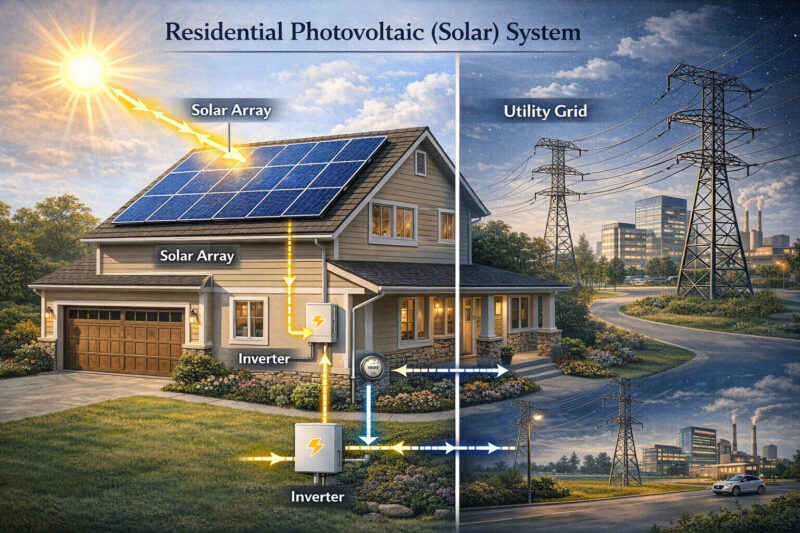
Đáp án & từ vựng bài đọc Photovoltaics on the rooftop IELTS Reading




Lượt Đăng Ký

NHẬN TƯ VẤN NGAY
Vui lòng để lại thông tin để được tư vấn chi tiết lộ trình học và thi IELTS ở trên
