

Giải đề IELTS Reading: The Pompidou Centre (kèm đáp án chi tiết)



Tóm Tắt Nội Dung Bài Viết
Giải đề IELTS Reading: The Pompidou Centre (kèm đáp án chi tiết)


Tóm Tắt Nội Dung Bài Viết
Chủ đề về nghệ thuật và kiến trúc trong IELTS Reading như bài đọc “The Pompidou Centre” thường là một thử thách với nhiều sĩ tử IELTS bởi lượng từ vựng học thuật và cấu trúc câu phức tạp.
Để giúp bạn chinh phục dạng bài này, bài viết dưới đây của ECE sẽ không chỉ cung cấp đáp án, mà còn “mổ xẻ” chi tiết từng câu hỏi, phân tích từ vựng đắt giá và tóm tắt những ý chính bạn cần nắm.
Bài đọc và Câu hỏi chi tiết: The Pompidou Centre
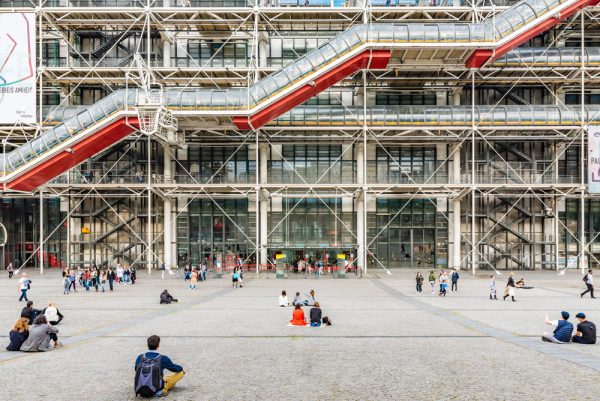
The Pompidou Centre IELTS Reading
Nội dung bài đọc
(Paragraph 1) More than three decades after it was built, the Pompidou Centre in Paris has survived its moment at the edge of architectural fashion and proved itself to be one of the most remarkable buildings of the 20th century. It was the most outstanding new building constructed in Paris for two generations. It looked like an explosion of brightly coloured service pipes in the calm of the city centre. However, when in 1977 the architects Richard Rogers and Renzo Piano stood among a large crowd of 5,000 at the opening of the Centre Culturel d’Art Georges Pompidou (known as the Pompidou), no one was really aware of the significance of this unusual building.
(Paragraph 2) Rogers was only 38 when he and Piano won the competition to design a new cultural centre for Paris in the old market site. Young, unknown architects, they had been chosen from a field of nearly 700 to design one of the most prestigious buildings of its day. After six difficult years, with 25,000 drawings, seven lawsuits, battles over budgets, and a desperate last-minute scramble to finish the building, it had finally been done.
(Paragraph 3) Yet the opening was a downbeat moment. The Pompidou Centre had been rubbished by the critics while it was being built, there was no more work in prospect for the architects, and their partnership had effectively broken down. But this was just a passing crisis. The Centre, which combined the national museum of modern art, exhibition space, a public library and a centre for modern music, proved an enormous success. It attracted six million visitors in its first year, and with its success, the critics swiftly changed their tune.
(Paragraph 4) The architects had been driven by the desire for ultimate flexibility, for a building that would not limit the movement of its users. All the different parts were approached through the same enormous entrance hall and served by the same escalator, which was free to anyone to ride, whether they wanted to visit an exhibition or just admire the view. With all the services at one end of the building, escalators and lifts at the other, and the floors hung on giant steel beams providing uninterrupted space the size of two football pitches, their dream had become a reality.
(Paragraph 5) The image of the Pompidou pervaded popular culture in the 1970s, making appearances everywhere – on record-album covers and a table lamp, and even acting as the set for a James Bond film. This did much to overcome the secretive nature of the architectural culture of its time, as it enabled a wider audience to appreciate the style and content of the building and so moved away from the strictly professional view.
(Paragraph 6) The following year, Rogers was commissioned to design a new headquarters for Lloyd’s Bank in London and went on to create one of Britain’s most dynamic architectural practices. Piano is now among the world’s most respected architects. But what of their shared creation?
(Paragraph 7) It was certainly like no previous museum, with its plans for a flexible interior that not only had movable walls but floors that could also be adjusted up or down. This second feature did not in the end survive when the competition drawings were turned into a real building. In other ways, however, the finished building demonstrated a remarkable degree of refinement – of craftsmanship even – in the way the original diagram was transformed into a superbly detailed structure. It was this quality which, according to some critics, suggested that the Pompidou should be seen as closer to the 19th-century engineering tradition than the space age.
(Paragraph 8) Nevertheless, as a model for urban planning, it has proved immensely influential. The Guggenheim in Bilbao and the many other major landmark projects that were built in the belief that innovatively designed cultural buildings can bring about urban renewal are all following the lead of the Pompidou Centre.
(Paragraph 9) Other buildings may now challenge it for the title of Europe’s most outlandish work of architecture. However, more than a quarter of a century later, this construction – it is hard to call it a building when there is no façade, just a lattice of steel beams and pipes and a long external escalator snaking up the outside – still seems extreme.
(Paragraph 10) Today, the Pompidou Centre itself still looks much as it did when it opened. The shock value of its colour-coded plumbing and its structure has not faded with the years. But while traditionalists regarded it as an ugly attack on Paris when it was built, they now see it for what it is – an enormous achievement, technically and conceptually.
Câu hỏi
Questions 1-4 (Multiple Choice)
1. What does the writer say in the first paragraph about the opening of the Pompidou Centre?
A. The elderly did not like it.
B. The architects were not present.
C. The atmosphere was very noisy.
D. The people did not realise its importance.
2. What does the writer say in the second paragraph about the construction of the Pompidou?
A. There was a hurry to complete it.
B. It cost less than expected.
C. Other experts helped draw the plans.
D. The market location was criticised.
3. What is the writer’s main purpose in the third paragraph?
A. to explain the multi-functional role of the centre
B. to praise the architects for their design ideas
C. to say why some people’s opinions quickly altered
D. to show how the media benefited from its success
4. What was the architects’ ‘dream’, referred to in the fourth paragraph?
A. to become famous
B. to provide entertainment
C. to allow visitors to use it freely
D. to build the biggest museum in the world
Questions 5-8 (Matching Endings) Complete each sentence with the correct ending, A-F, below.
5. The escalators and lifts inside the Pompidou
6. In the 1970s, pictures of the Pompidou
7. The original plans for the floors of the Pompidou
8. The detailed structure of the finished building
A. reminded some people of past building styles.
B. were used to decorate everyday objects.
C. fitted in well with the external surroundings.
D. were situated on one side of the building.
E. showed people which area to visit.
F. were changed during the construction process.
Tóm tắt nội dung bài đọc The Pompidou Centre
Bài đọc là một bài phân tích về lịch sử, thiết kế, và tầm ảnh hưởng của Trung tâm Pompidou ở Paris. Bài viết kể lại quá trình từ khi công trình được thiết kế bởi hai kiến trúc sư trẻ vô danh, trải qua vô vàn khó khăn và chỉ trích, cho đến khi khánh thành và bất ngờ đạt được thành công vang dội. Tác giả nhấn mạnh triết lý thiết kế độc đáo của Pompidou là tạo ra không gian linh hoạt tối đa, đẩy toàn bộ hệ thống dịch vụ và thang cuốn ra bên ngoài. Công trình này đã trở thành một biểu tượng văn hóa đại chúng, có ảnh hưởng sâu rộng đến quy hoạch đô thị và các công trình kiến trúc sau này. Cuối cùng, bài viết khẳng định rằng dù ban đầu bị coi là một sự phá cách xấu xí, giờ đây Pompidou được công nhận là một thành tựu vĩ đại.
Tổng hợp từ vựng và cấu trúc hay trong bài
- Significance (danh từ): Tầm quan trọng, ý nghĩa.
- Ví dụ: “…no one was really aware of the significance of this unusual building.”
- Prestigious (tính từ): Có uy tín, danh giá.
- Ví dụ: “…to design one of the most prestigious buildings of its day.”
- A downbeat moment (cụm danh từ): Một khoảnh khắc ảm đạm, đáng thất vọng.
- Ví dụ: “Yet the opening was a downbeat moment.”
- Change their tune (thành ngữ): Thay đổi thái độ, ý kiến (thường là từ tiêu cực sang tích cực).
- Ví dụ: “…with its success, the critics swiftly changed their tune.”
- Ultimate flexibility (cụm danh từ): Sự linh hoạt tối đa.
- Ví dụ: “The architects had been driven by the desire for ultimate flexibility…”
- Pervaded (động từ): Lan tỏa, tràn ngập.
- Ví dụ: “The image of the Pompidou pervaded popular culture in the 1970s…”
- Outlandish (tính từ): Kỳ dị, lạ lùng.
- Ví dụ: “Other buildings may now challenge it for the title of Europe’s most outlandish work of architecture.”
- Conceptually (trạng từ): Về mặt ý tưởng, về mặt khái niệm.
- Ví dụ: “…an enormous achievement, technically and conceptually.”
Gợi ý đáp án bài đọc và giải thích chi tiết
Questions 1-4
1. D. The people did not realise its importance.
- Keywords: opening, first paragraph.
- Dẫn chứng (Paragraph 1): “…no one was really aware of the significance of this unusual building.”
- Giải thích: “Significance” đồng nghĩa với “importance” (tầm quan trọng). Câu này nói rõ rằng không ai thực sự nhận thức được tầm quan trọng của tòa nhà.
2. A. There was a hurry to complete it.
- Keywords: construction, second paragraph.
- Dẫn chứng (Paragraph 2): “…a desperate last-minute scramble to finish the building…”
- Giải thích: Cụm từ “last-minute scramble to finish” có nghĩa là một nỗ lực vội vã, hối hả vào phút chót để hoàn thành, đồng nghĩa với “a hurry to complete”.
3. C. to say why some people’s opinions quickly altered.
- Keywords: main purpose, third paragraph.
- Dẫn chứng (Paragraph 3): Đoạn văn bắt đầu bằng việc mô tả sự chỉ trích (“rubbished by the critics”), sau đó mô tả thành công lớn của tòa nhà (“proved an enormous success”), và kết luận “with its success, the critics swiftly changed their tune.”
- Giải thích: Mục đích chính của đoạn văn là giải thích sự thay đổi quan điểm của giới phê bình, từ chỉ trích sang ca ngợi, do thành công của công trình.
4. C. to allow visitors to use it freely.
- Keywords: architects’ ‘dream’, fourth paragraph.
- Dẫn chứng (Paragraph 4): “…a building that would not limit the movement of its users… escalator, which was free to anyone to ride…”
- Giải thích: “Giấc mơ” của các kiến trúc sư là tạo ra một không gian linh hoạt, không giới hạn người dùng và cho phép mọi người sử dụng tự do (“free to anyone”).
Questions 5-8
5. D. were situated on one side of the building.
- Keywords: escalators and lifts.
- Dẫn chứng (Paragraph 4): “With all the services at one end of the building, escalators and lifts at the other…”
- Giải thích: Thang cuốn và thang máy được đặt ở “đầu còn lại” của tòa nhà, có nghĩa là chúng được đặt ở một phía.
6. B. were used to decorate everyday objects.
- Keywords: 1970s, pictures of the Pompidou.
- Dẫn chứng (Paragraph 5): “The image of the Pompidou… making appearances everywhere – on record-album covers and a table lamp…”
- Giải thích: Hình ảnh của Pompidou xuất hiện trên bìa album và đèn bàn, đây là những đồ vật hàng ngày (“everyday objects”).
7. F. were changed during the construction process.
- Keywords: original plans, floors.
- Dẫn chứng (Paragraph 7): “…floors that could also be adjusted up or down. This second feature did not in the end survive when the competition drawings were turned into a real building.”
- Giải thích: Đặc điểm sàn nhà có thể điều chỉnh đã không được giữ lại trong phiên bản xây dựng cuối cùng, có nghĩa là kế hoạch ban đầu đã bị thay đổi.
8. A. reminded some people of past building styles.
- Keywords: detailed structure, finished building.
- Dẫn chứng (Paragraph 7): “…the Pompidou should be seen as closer to the 19th-century engineering tradition than the space age.”
- Giải thích: Cấu trúc chi tiết của nó gợi cho các nhà phê bình nhớ đến truyền thống kỹ thuật của thế kỷ 19, tức là một phong cách xây dựng trong quá khứ.
Questions 9-14
9. YES
- Keywords: influenced, cities are designed.
- Dẫn chứng (Paragraph 8): “Nevertheless, as a model for urban planning, it has proved immensely influential.”
- Giải thích: Tác giả khẳng định rằng Pompidou là một hình mẫu có ảnh hưởng to lớn cho quy hoạch đô thị.
10. NOT GIVEN
- Keywords: Guggenheim, more popular.
- Giải thích: Bài đọc có nhắc đến Guggenheim như một công trình đi theo sự dẫn dắt của Pompidou, nhưng hoàn toàn không có sự so sánh về mức độ nổi tiếng (“popular”) giữa hai công trình này.
11. NO
- Keywords: building fits better than construction.
- Dẫn chứng (Paragraph 9): “…this construction – it is hard to call it a building…”
- Giải thích: Tác giả cho rằng từ “construction” (công trình) phù hợp hơn và “khó có thể gọi nó là một tòa nhà (building)”. Điều này trái ngược với quan điểm trong câu hỏi.
12. NO
- Keywords: appearance, changed considerably.
- Dẫn chứng (Paragraph 10): “Today, the Pompidou Centre itself still looks much as it did when it opened.”
- Giải thích: Tác giả khẳng định rằng vẻ ngoài của Pompidou ngày nay vẫn trông gần như y hệt lúc nó mới mở cửa, không có sự thay đổi đáng kể.
13. NO
- Keywords: design, fails to shock people.
- Dẫn chứng (Paragraph 10): “The shock value of its colour-coded plumbing and its structure has not faded with the years.”
- Giải thích: Tác giả cho rằng giá trị gây sốc của nó vẫn không hề phai nhạt theo thời gian, có nghĩa là nó vẫn gây sốc cho mọi người.
14. YES
- Keywords: traditionalist view, changed.
- Dẫn chứng (Paragraph 10): “But while traditionalists regarded it as an ugly attack on Paris when it was built, they now see it for what it is – an enormous achievement…”
- Giải thích: Quan điểm của những người theo chủ nghĩa truyền thống đã thay đổi từ “một sự tấn công xấu xí” thành “một thành tựu to lớn”.
Qua việc phân tích bài “The Pompidou Centre”, chúng ta có thể thấy rằng việc đọc và nắm bắt “quan điểm của tác giả” (writer’s views) là chìa khóa để xử lý thành công dạng bài Yes/No/Not Given.
Đây không chỉ là một kỹ năng đọc đơn thuần, mà còn là nền tảng của tư duy phản biện – một yếu tố được đánh giá rất cao trong toàn bộ bài thi IELTS. Hy vọng rằng với phần giải thích chi tiết và danh sách từ vựng trong bài, bạn đã có thêm sự tự tin và một chiến lược hiệu quả để đối mặt với các bài đọc tương tự trong tương lai.

Đoàn Nương
Tôi là Đoàn Nương - Giám đốc trung tâm ngoại ngữ ECE. Tôi hiện đang là giảng viên của khoa ngôn ngữ các nước nói tiếng Anh - Trường Đại Học Quốc Gia Hà Nội. Tôi đã có 19 năm kinh nghiệm giảng dạy IELTS và 15 năm là giảng viên Đại Học. Tôi mong muốn đưa ECE trở thành trung tâm ngoại ngữ cho tất cả mọi người, mang tới cho học viên môi trường học tập tiếng Anh chuyên nghiệp và hiệu quả.
Tìm hiểu các khóa học tại ECE
Tin Tức Cùng Danh Mục

The Concept of Childhood in Western Countries IELTS Reading: Dịch & giải chi tiết

The Magic of Kefir IELTS Reading: Dịch bài đọc & đáp án chuẩn

The Columbian Exchange IELTS Reading: Dịch & giải chi tiết A-Z

Giải mã bài đọc: Complementary & alternative medicine IELTS Reading
Stadium Australia IELTS Reading: Giải chi tiết & Dịch nghĩa
Các tin liên quan
The Concept of Childhood in Western Countries IELTS Reading: Dịch & giải chi tiết
The Magic of Kefir IELTS Reading: Dịch bài đọc & đáp án chuẩn
The Columbian Exchange IELTS Reading: Dịch & giải chi tiết A-Z
Giải mã bài đọc: Complementary & alternative medicine IELTS Reading
Stadium Australia IELTS Reading: Giải chi tiết & Dịch nghĩa

Television and Sport IELTS Reading: Dịch chuẩn & Giải đề chi tiết

The Invention of Television IELTS Reading: Từ vựng & đáp án chuẩn

Frogwatch IELTS Reading: Bài dịch & đáp án chuẩn nhất

Consecutive and Simultaneous Translation IELTS Reading: Dịch chuẩn & Giải chi tiết

Fears IELTS Reading: Bản dịch chuẩn & giải chi tiết từ A-Z

Memory and Age IELTS Reading: Dịch chuẩn & Giải chi tiết
Đáp án & từ vựng bài đọc Photovoltaics on the rooftop IELTS Reading




Lượt Đăng Ký

NHẬN TƯ VẤN NGAY
Vui lòng để lại thông tin để được tư vấn chi tiết lộ trình học và thi IELTS ở trên
