

Giải mã bài đọc IELTS “Sand Dunes”: Đáp án & phân tích chi tiết



Tóm Tắt Nội Dung Bài Viết
Giải mã bài đọc IELTS “Sand Dunes”: Đáp án & phân tích chi tiết


Tóm Tắt Nội Dung Bài Viết
“Sand Dunes” (Những cồn cát) là một bài đọc thuộc chủ đề Khoa học – Địa lý, một chủ đề thường xuyên xuất hiện trong kỳ thi IELTS. Bài đọc này đặc biệt thử thách với dạng bài Matching Headings, đòi hỏi khả năng tóm tắt ý chính của từng đoạn văn một cách nhanh chóng và chính xác. Bài viết này của trung tâm ngoại ngữ ECE sẽ phân tích sâu toàn bộ bài đọc, cung cấp đáp án kèm giải thích chi tiết và tổng hợp từ vựng quan trọng, giúp bạn tự tin chinh phục các dạng bài tương tự.
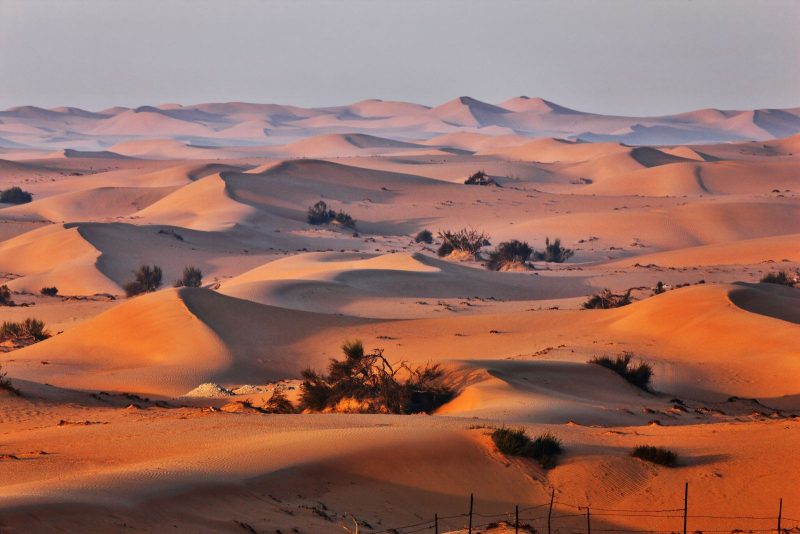
Sand Dunes IELTS Reading
Bài đọc và câu hỏi chi tiết: Sand Dunes
Nội dung bài đọc
(A) One of the main problems posed by sand dunes is their encroachment on human habitats. Sand dunes threaten buildings and crops in Africa, the Middle East, and China. Preventing sand dunes from overwhelming cities and agricultural areas has become a priority for the United Nations Environment Program. On the other hand, dune habitats provide niches for highly specialized plants and animals, including numerous rare and endangered species.
(B) Sand is usually composed of hard minerals such as quartz that cannot be broken down into silt or clay. Yellow, brown and reddish shades of sand indicate their presence of iron compounds. Red sand is composed of quartz coated by a layer of iron oxide. White sands are nearly pure gypsum. Sand with a high percentage of silicate can be used in glassmaking.
(C) The most common dune form on Earth and on Mars is crescentic. Crescent-shaped mounds are generally wider than they are long. The slipfaces are on the concave sides of the dunes. These dunes form under winds that blow consistently from one direction, and they also are known as barchans or transverse dunes.
(D) Radially symmetrical, star dunes are pyramidal sand mounds with slipfaces on there or more arms that radiate from the high center of the mound. They tend to accumulate in areas with multidirectional wind regimes. Straight or slightly sinuous sand ridges typically much longer than they are wide are known as linear dunes.
(E) Once sand begins to pile up, ripples and dunes can form. Wind continues to move sand up to the top of the pile until the pile is so steep that it collapses under its own weight. The collapsing sand comes to rest when it reaches just the right steepness to keep the dune stable. This angle, usually about 30-34°, is called the angle of repose. Every pile of loose particles has a unique angle of repose…
(F) The repeating cycle of sand inching up the windward side to the dune crest, then slipping down the dune’s slip face allows the dune to inch forward, migrating in the direction the wind blows. As you might guess, all of this climbing then slipping leaves its mark on the internal structure of the dune… This structure is called cross-bedding…
(G) Sand dunes can “sing” at a level up to 115 decibels and generate sounds in different notes… The tone of the sounds depended primarily on the size of the grains.
(H) Scientists performed a computer simulation on patterns and dynamics of desert dunes in laboratory. Dune patterns observed in deserts were reproduced. From the initial random state, stars and linear dunes are produced… which greatly helps them build a model to simulate a sand move.
Câu hỏi
Questions 27-34 (Matching Headings) Choose the correct heading for paragraphs A-H from the list below.
List of Headings
i. potential threat to buildings and crops despite of benefit
ii. the cycle of sand moving forward with wind
iii. protection method in various countries
iv. scientists simulate sand move and build model in lab
v. sand composition explanation
vi. singing sand dunes
vii. other types of sand dunes
viii. the personal opinion on related issues
ix. reasons why sand dunes form
x. the most common sand dune
- Paragraph A
- Paragraph B
- Paragraph C
- Paragraph D
- Paragraph E
- Paragraph F
- Paragraph G
- Paragraph H
Questions 35-36 (Multiple Choice)
35. What is the main composition of white sand made of according to the passage?
A. Quartz
B. Gypsum
C. Lime
D. Iron
36. Which one is not mentioned as a sand type in this passage?
A. Linear
B. Crescentic
C. Overlap
D. Star
Questions 37-40 (Summary Completion) Complete the summary using the list of words, A-J below.
Crescentic is an ordinary 37……………………….. on both Earth and Mars, apart from which, there are also other types of sand dunes. Different color of the sand reflects different components, some of them are rich in 38………………………… that can not be easily broken into clay. Sand dunes can “sing” at a level up to 115 decibels and generate sounds in different notes. Sand dunes can be able to 39………………………. at a certain level of sound intensity, and the different size of grains creates different 40………………………… of the sounds.
Tóm tắt nội dung bài đọc Sand Dunes
Bài đọc cung cấp một cái nhìn tổng quan về cồn cát, bao gồm các khía cạnh sau:
- (A): Cồn cát vừa là mối đe dọa đối với con người (xâm lấn nhà cửa, mùa màng), vừa là môi trường sống quan trọng cho các loài sinh vật.
- (B): Mô tả thành phần hóa học và khoáng chất tạo nên các loại cát có màu sắc khác nhau.
- (C, D): Giới thiệu các dạng cồn cát chính, bao gồm dạng lưỡi liềm (phổ biến nhất), dạng sao và dạng thẳng.
- (E, F): Giải thích cơ chế vật lý của việc hình thành cồn cát (góc nghỉ) và chu kỳ di chuyển của chúng theo chiều gió.
- (G): Mô tả hiện tượng “cồn cát hát” và nguyên nhân khoa học đằng sau nó.
- (H): Báo cáo về việc các nhà khoa học sử dụng mô phỏng máy tính để nghiên cứu và tái tạo lại sự hình thành của cồn cát.
Từ vựng và cấu trúc hay trong bài
- Encroachment on (danh từ): Sự xâm lấn, xâm phạm vào.
- Niches (danh từ): Các hốc sinh thái, môi trường sống thích hợp.
- Crescentic (tính từ): Có hình lưỡi liềm.
- Radially symmetrical (cụm tính từ): Đối xứng tỏa tròn.
- Sinuous (tính từ): Uốn lượn, khúc khuỷu.
- Angle of repose (cụm danh từ): Góc nghỉ (góc dốc tối đa mà vật liệu rời có thể giữ ổn định).
- Laminations (danh từ): Các lớp mỏng.
- Resonate (động từ): Vang dội, cộng hưởng.
Gợi ý đáp án bài đọc và giải thích chi tiết
Questions 27-34
27. Paragraph A ➞ i. potential threat to buildings and crops despite of benefit
- Giải thích: Đoạn A nêu rõ hai mặt của cồn cát: một mặt là “mối đe dọa” (“threat”) đối với nhà cửa và mùa màng (“buildings and crops”), mặt khác lại cung cấp môi trường sống (“benefit”).
28. Paragraph B ➞ v. sand composition explanation
- Giải thích: Toàn bộ đoạn B dùng để giải thích thành phần (“composition”) của cát: được tạo từ khoáng chất gì, màu sắc khác nhau do đâu.
29. Paragraph C ➞ x. the most common sand dune
- Giải thích: Câu đầu tiên của đoạn C nói rõ: “The most common dune form on Earth and on Mars is crescentic.”
30. Paragraph D ➞ vii. other types of sand dunes
- Giải thích: Đoạn D mô tả các loại cồn cát khác bên cạnh loại lưỡi liềm đã nêu ở đoạn C, đó là cồn cát sao (“star dunes”) và cồn cát thẳng (“linear dunes”).
31. Paragraph E ➞ ix. reasons why sand dunes form
- Giải thích: Đoạn E giải thích quá trình vật lý của việc hình thành cồn cát, từ việc cát tích tụ, sụp đổ dưới sức nặng và ổn định tại một góc dốc cụ thể (“angle of repose”).
32. Paragraph F ➞ ii. the cycle of sand moving forward with wind
- Giải thích: Đoạn F mô tả chu kỳ (“cycle”) lặp đi lặp lại của việc cát di chuyển lên đỉnh rồi trượt xuống, khiến cồn cát tiến về phía trước.
33. Paragraph G ➞ vi. singing sand dunes
- Giải thích: Cả đoạn G tập trung vào hiện tượng “cồn cát hát” (“singing” sand dunes), mô tả cường độ, các nốt nhạc và nguyên nhân khoa học.
34. Paragraph H ➞ iv. scientists simulate sand move and build model in lab
- Giải thích: Đoạn H mô tả việc các nhà khoa học thực hiện “mô phỏng trên máy tính” (“computer simulation”) trong phòng thí nghiệm (“in laboratory”) và xây dựng mô hình (“build a model”).
Questions 35-36
35. B. Gypsum
- Dẫn chứng (Đoạn B): “White sands are nearly pure gypsum.”
- Giải thích: Câu này trực tiếp chỉ ra thành phần chính của cát trắng là gypsum.
36. C. Overlap
- Giải thích: Bài đọc đã đề cập đến các loại cồn cát: Linear (đoạn D), Crescentic (đoạn C), và Star (đoạn D). “Overlap” không được nhắc đến như một loại cồn cát.
Questions 37-40
37. B. shape
- Dẫn chứng (Đoạn C): “The most common dune form on Earth… is crescentic.”
- Giải thích: “Form” (dạng, hình thức) là từ đồng nghĩa với “shape” (hình dạng).
38. G. minerals
- Dẫn chứng (Đoạn B): “Sand is usually composed of hard minerals such as quartz…”
- Giải thích: Đoạn tóm tắt nói rằng cát giàu “khoáng chất” (“minerals”).
39. H. sing
- Dẫn chứng (Đoạn G): “Sand dunes can “sing” at a level up to 115 decibels…”
- Giải thích: Đoạn văn trực tiếp dùng động từ “sing” (hát) để mô tả âm thanh của cồn cát.
40. D. tone
- Dẫn chứng (Đoạn G): “The tone of the sounds depended primarily on the size of the grains.”
- Giải thích: Kích thước hạt cát khác nhau tạo ra các “âm sắc” (“tone”) khác nhau.
Kết bài
Bài đọc “Sand Dunes” là một bài luyện tập tuyệt vời cho kỹ năng Matching Headings, đòi hỏi bạn phải xác định nhanh chóng ý chính của từng đoạn văn. Một chiến thuật hiệu quả là đọc lướt các headings trước, gạch chân từ khóa, sau đó đọc từng đoạn văn và tìm heading phù hợp nhất thay vì làm theo thứ tự. Hy vọng rằng với phần giải thích chi tiết và danh sách từ vựng từ ECE, bạn đã có thêm kinh nghiệm quý báu để chinh phục dạng bài đầy thử thách này.

Đoàn Nương
Tôi là Đoàn Nương - Giám đốc trung tâm ngoại ngữ ECE. Tôi hiện đang là giảng viên của khoa ngôn ngữ các nước nói tiếng Anh - Trường Đại Học Quốc Gia Hà Nội. Tôi đã có 19 năm kinh nghiệm giảng dạy IELTS và 15 năm là giảng viên Đại Học. Tôi mong muốn đưa ECE trở thành trung tâm ngoại ngữ cho tất cả mọi người, mang tới cho học viên môi trường học tập tiếng Anh chuyên nghiệp và hiệu quả.
Tìm hiểu các khóa học tại ECE
Tin Tức Cùng Danh Mục

The Concept of Childhood in Western Countries IELTS Reading: Dịch & giải chi tiết

The Magic of Kefir IELTS Reading: Dịch bài đọc & đáp án chuẩn
The Columbian Exchange IELTS Reading: Dịch & giải chi tiết A-Z

Giải mã bài đọc: Complementary & alternative medicine IELTS Reading

Stadium Australia IELTS Reading: Giải chi tiết & Dịch nghĩa
Các tin liên quan
The Concept of Childhood in Western Countries IELTS Reading: Dịch & giải chi tiết
The Magic of Kefir IELTS Reading: Dịch bài đọc & đáp án chuẩn
The Columbian Exchange IELTS Reading: Dịch & giải chi tiết A-Z
Giải mã bài đọc: Complementary & alternative medicine IELTS Reading
Stadium Australia IELTS Reading: Giải chi tiết & Dịch nghĩa

Television and Sport IELTS Reading: Dịch chuẩn & Giải đề chi tiết

The Invention of Television IELTS Reading: Từ vựng & đáp án chuẩn

Frogwatch IELTS Reading: Bài dịch & đáp án chuẩn nhất

Consecutive and Simultaneous Translation IELTS Reading: Dịch chuẩn & Giải chi tiết

Fears IELTS Reading: Bản dịch chuẩn & giải chi tiết từ A-Z

Memory and Age IELTS Reading: Dịch chuẩn & Giải chi tiết

Đáp án & từ vựng bài đọc Photovoltaics on the rooftop IELTS Reading




Lượt Đăng Ký

NHẬN TƯ VẤN NGAY
Vui lòng để lại thông tin để được tư vấn chi tiết lộ trình học và thi IELTS ở trên
