
IELTS Reading “Light Pollution”: Tổng hợp từ vựng & đáp án chi tiết



Tóm Tắt Nội Dung Bài Viết
IELTS Reading “Light Pollution”: Tổng hợp từ vựng & đáp án chi tiết


Tóm Tắt Nội Dung Bài Viết
Khi màn đêm buông xuống, thay vì chìm vào bóng tối tự nhiên của mặt trăng và các vì sao, chúng ta lại đắm chìm trong biển ánh sáng nhân tạo. Điều mà chúng ta cho là tiến bộ và an toàn, lại đang tạo ra một “kẻ thù thầm lặng”: ô nhiễm ánh sáng. Bài đọc IELTS “Light Pollution” không chỉ vạch trần mức độ nghiêm trọng của vấn đề này mà còn phân tích những tác động kinh hoàng của nó lên thế giới tự nhiên và thậm chí là chính con người. Đây là một bài đọc đòi hỏi sự tỉnh táo và khả năng nắm bắt chi tiết.
Hãy cùng ECE khám phá những luận điểm quan trọng, giải mã các dạng câu hỏi và trang bị từ vựng để chinh phục bài đọc đầy thách thức này.
Nội dung bài đọc & Câu hỏi
Light pollution
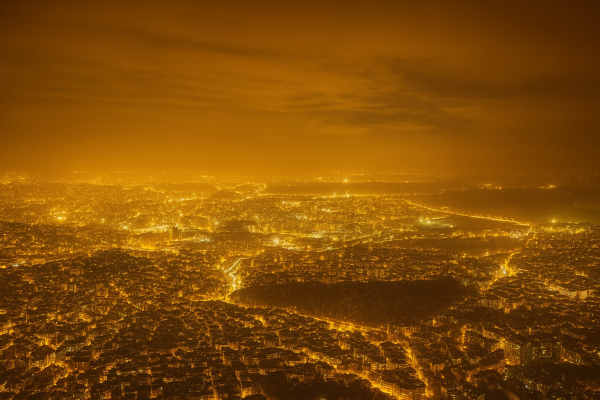
Light pollution – Bài đọc IELTS về ô nhiễm ánh sáng
(A) If humans were truly at home under the light of the moon and stars, we would go into darkness happily… Instead, we are diurnal creatures, with eyes adapted to living in the sun’s light. This is a basic evolutionary fact… Yet it’s the only way to explain what we’ve done to the night: We’ve engineered it to receive us by filling it with light.
(B) This kind of engineering is no different than damming a river. Its benefits come with consequences—called light pollution—whose effects scientists are only now beginning to study. Light pollution is largely the result of bad lighting design, which allows artificial light to shine outward and upward into the sky, where it’s not wanted, instead of focusing it downward, where it is. Ill-designed lighting washes out the darkness of night and radically alters the light levels and light rhythms—to which many forms of life, including ourselves, have adapted.
(C) Now most of humanity lives under intersecting domes of reflected, refracted light, of scattering rays from overlit cities and suburbs, from light-flooded highways and factories. Nearly all of nighttime Europe is a nebula of light, as is most of the United States and all of Japan. In the south Atlantic the glow from a single fishing fleet squid fishermen during their prey with metal halide lamps—can be seen from space, burning brighter, in fact, than Buenos Aires or Rio de Janeiro.
(D) We’ve lit up the night as if it were an unoccupied country when nothing could be further from the truth. Among mammals alone, the number of nocturnal species is astonishing. Light is a powerful biological force, and in many species, it acts as a magnet… The effect is so powerful that scientists speak of songbirds and seabirds being “captured” by searchlights on land or by the light from gas flares on marine oil platforms, circling and circling in the thousands until they drop. Migrating at night, birds are apt to collide with brightly lit tall buildings; immature birds on their first journey suffer disproportionately.
(E) Insects, of course, cluster around streetlights, and feeding at those insect clusters is now ingrained in the lives of many bat species. In some Swiss valleys, the European lesser horseshoe bat began to vanish after streetlights were installed, perhaps because those valleys were suddenly filled with light-feeding pipistrelle bats. Other nocturnal mammals—including desert rodents, fruit bats, opossums, and badgers-forage more cautiously under the permanent full moon of light pollution because they’ve become easier targets for predators.
(F) Some birds—blackbirds and nightingales, among others—sing at unnatural hours in the presence of artificial light. Scientists have determined that long artificial days— and artificially short nights induce early breeding in a wide range of birds. And because a longer day allows for longer feeding, it can also affect migration schedules. One population of Bewick’s swans wintering in England put on fat more rapidly than usual, priming them to begin their Siberian migration early. The problem, of course, is that migration, like most other aspects of bird behaviour, is a precisely timed biological behaviour. Leaving early may mean arriving too soon for nesting conditions to be right
(G) Nesting sea turtles, which show a natural predisposition for dark beaches, find fewer and fewer of them to nest on. Their hatchlings, which gravitate toward the brighter, more reflective sea horizon, find themselves confused by artificial lighting behind the beach. In Florida alone, hatchling losses number in the hundreds of thousands every year. Frogs and toads living near brightly lit highways suffer nocturnal light levels that are as much as a million times brighter than normal, throwing nearly every aspect of their behaviour out of joint, including their nighttime breeding choruses.
(H) Of all the pollution we face, light pollution is perhaps the most easily remedied. Simple changes in lighting design and installation yield immediate changes in the amount of light spilt into the atmosphere and, often, immediate energy savings.
(I) It was once thought that light pollution only affected astronomers… And, in fact, some of the earliest civic efforts to control light pollution—in Flagstaff, Arizona, half a century ago—were made to protect the view from Lowell Observatory… Flagstaff has tightened its regulations since then, and in 2001 it was declared the first International Dark Sky City. By now the effort to control light pollution has spread around the globe. More and more cities and even entire countries, such as the Czech Republic, have committed themselves to reducing unwanted glare.
(J) Unlike astronomers, most of us may not need an undiminished view of the night sky for our work, but like most other creatures we do need darkness. Darkness is as essential to our biological welfare, to our internal clockwork, as light itself. The regular oscillation of waking and sleep in our lives, one of our circadian rhythms—is nothing less than a biological expression of the regular oscillation of light on Earth. So fundamental are these rhythms to our being that altering them is like altering gravity.
Question 1 – 6
The reading Passage has ten paragraphs A-J. Which paragraph contains the following information?Write the correct letter A-J, in boxes 1-6 on your answer sheet.
- A reason that contributes to light pollution.
- A city has lessened light pollution successfully.
- The importance of darkness.
- The popularity of light pollution in the world.
- Methods to reduce light pollution.
- The reason why we have changed the night.
Question 7 – 8
Choose the correct letter, A, B, C, or D.Write your answers in boxes 7-8 on your answer sheet.
7. How does light pollution influence creatures?
A. by bad lighting design
B. by changing the cities and suburbs creatures are used to
C. by changing the directions of light
D. by changing the light creatures are used to
8. Some aspects of animals’ lives are affected by unwanted light, EXCEPT:
A. Migration
B. Reproduction
C. Natural life span
D. Feeding
Question 9 – 13
Light pollution has affected many forms of life. Use the information in the passage to match the animals with the relevant information below.Write the appropriate letters A-G in boxes 9-13 on your answer sheet.
9. Songbirds
10. Horseshoe bat
11. Nightingales
12. Bewick’s swans
13. Sea turtles
List of Information
A. eat too much and migrate in advance.
B. would not like to sing songs at night.
C. is attracted by the light and then a crash happens.
D. suffers from food shortages because of competitors.
E. have become easier targets for predators.
F. be active at unusual times.
G. have trouble inbreeding.
Tóm tắt nội dung bài đọc Light pollution
Bài đọc “Light Pollution” đưa ra một cái nhìn toàn diện về vấn đề ô nhiễm ánh sáng, từ nguyên nhân đến tác động sâu rộng lên môi trường và sinh vật.
- Bản chất con người và màn đêm: Con người là sinh vật sống ban ngày, mắt thích nghi với ánh sáng mặt trời, nhưng chúng ta đã “thiết kế” màn đêm bằng cách lấp đầy nó bằng ánh sáng để phục vụ mình.
- Định nghĩa và nguyên nhân: Ô nhiễm ánh sáng là hậu quả của việc thiết kế chiếu sáng kém, làm ánh sáng nhân tạo chiếu lên trời thay vì tập trung xuống đất, làm thay đổi đáng kể mức độ và nhịp điệu ánh sáng tự nhiên.
- Mức độ phổ biến: Gần như toàn bộ Châu Âu, hầu hết Hoa Kỳ và toàn bộ Nhật Bản chìm trong ánh sáng nhân tạo vào ban đêm. Ánh sáng từ một đội tàu đánh bắt mực có thể sáng hơn cả các thành phố lớn nhìn từ không gian.
- Tác động lên động vật hoang dã:
- Chim: Bị thu hút bởi ánh sáng, bay vòng vòng đến kiệt sức hoặc va chạm với các tòa nhà sáng đèn.
- Côn trùng: Tập trung quanh đèn đường, thu hút dơi ăn côn trùng.
- Dơi móng ngựa: Giảm số lượng do cạnh tranh thức ăn với các loài dơi khác thích nghi với ánh sáng.
- Động vật có vú sống về đêm khác: Tìm kiếm thức ăn thận trọng hơn vì dễ bị kẻ săn mồi phát hiện.
- Chim hót (đen, họa mi): Hót vào những giờ bất thường; chu kỳ sinh sản và di cư bị ảnh hưởng (ví dụ: thiên nga Bewick tích mỡ nhanh hơn, di cư sớm hơn).
- Rùa biển: Khó tìm bãi biển tối để làm tổ; rùa con bị nhầm lẫn giữa ánh sáng nhân tạo và đường chân trời biển.
- Ếch, cóc: Mức độ ánh sáng đêm quá cao làm rối loạn mọi khía cạnh hành vi, bao gồm cả tiếng kêu gọi bạn tình ban đêm.
- Giải pháp: Ô nhiễm ánh sáng là dạng ô nhiễm dễ khắc phục nhất. Những thay đổi đơn giản trong thiết kế và lắp đặt chiếu sáng có thể giảm ngay lập tức lượng ánh sáng lãng phí và tiết kiệm năng lượng.
- Tầm quan trọng của bóng tối: Bóng tối thiết yếu cho sức khỏe sinh học và “đồng hồ sinh học” bên trong chúng ta, giống như ánh sáng. Việc thay đổi nhịp điệu ngày đêm ảnh hưởng đến nhịp sinh học (circadian rhythms) của con người.
- Những nỗ lực giảm thiểu: Ban đầu là để bảo vệ các nhà thiên văn học (ví dụ: Flagstaff, Arizona trở thành “Thành phố Bầu trời Tối Quốc tế” đầu tiên năm 2001). Nỗ lực này hiện đã lan rộng toàn cầu.
Tổng hợp từ vựng quan trọng trong bài đọc
- Diurnal creatures (cụm danh từ): Sinh vật sống ban ngày.
- Nocturnal species (cụm danh từ): Loài vật sống về đêm.
- Engineered (động từ): Thiết kế, tạo ra một cách kỹ thuật.
- Bad lighting design (cụm danh từ): Thiết kế chiếu sáng kém.
- Refracted light (cụm danh từ): Ánh sáng bị khúc xạ.
- Nebula of light (cụm danh từ): Vùng sáng mờ ảo (ẩn dụ cho các thành phố sáng đèn).
- Disproportionately (trạng từ): Một cách không cân đối, không tương xứng.
- Ingrained (tính từ): Ăn sâu vào, hình thành thói quen.
- Forage (động từ): Kiếm ăn.
- Predisposition (danh từ): Khuynh hướng tự nhiên, sự thiên về.
- Hatchlings (danh từ): Động vật non mới nở (ví dụ: rùa con).
- Gravitate toward (cụm động từ): Hướng về phía, bị hút về phía.
- Throw out of joint (thành ngữ): Làm rối loạn, làm xáo trộn.
- Easily remedied (cụm tính từ): Dễ dàng khắc phục.
- Circadian rhythms (cụm danh từ): Nhịp sinh học (chu kỳ 24 giờ).
Đáp án gợi ý & phân tích chuyên sâu
1. B
- Dẫn chứng (Đoạn B): “Light pollution is largely the result of bad lighting design…”
2. I
- Dẫn chứng (Đoạn I): “…in Flagstaff, Arizona, half a century ago—were made to protect the view… Flagstaff has tightened its regulations since then, and in 2001 it was declared the first International Dark Sky City.”
3. J
- Dẫn chứng (Đoạn J): “Darkness is as essential to our biological welfare, to our internal clockwork, as light itself.”
4. C
- Dẫn chứng (Đoạn C): “Nearly all of nighttime Europe is a nebula of light, as is most of the United States and all of Japan.”
5. H
- Dẫn chứng (Đoạn H): “Simple changes in lighting design and installation yield immediate changes…”
6. A
- Dẫn chứng (Đoạn A): “…it’s the only way to explain what we’ve done to the night: We’ve engineered it to receive us by filling it with light.”
7. D. by changing the light creatures are used to
Dẫn chứng (Đoạn B): “…radically alters the light levels and light rhythms—to which many forms of life, including ourselves, have adapted.”
Giải thích: Ô nhiễm ánh sáng làm thay đổi “light levels and light rhythms” (mức độ và nhịp điệu ánh sáng) mà các sinh vật đã thích nghi.
8. C. Natural life span
Dẫn chứng (Đoạn D, E, F, G): Bài đọc đề cập đến tác động lên Migration (di cư – chim, thiên nga), Reproduction (sinh sản – chim sớm hơn, rùa biển, ếch/cóc), Feeding (kiếm ăn – dơi, động vật có vú khác). Tuy nhiên, không có thông tin nào về việc ô nhiễm ánh sáng ảnh hưởng đến Natural life span (tuổi thọ tự nhiên).
9. C. is attracted by the light and then a crash happens.
Dẫn chứng (Đoạn D): “…songbirds and seabirds being “captured” by searchlights… Migrating at night, birds are apt to collide with brightly lit tall buildings…”
10. D. suffers from food shortages because of competitors.
Dẫn chứng (Đoạn E): “…the European lesser horseshoe bat began to vanish after streetlights were installed, perhaps because those valleys were suddenly filled with light-feeding pipistrelle bats.” (Dơi pipistrelle là đối thủ cạnh tranh thức ăn).
11. F. be active at unusual times.
Dẫn chứng (Đoạn F): “Some birds—blackbirds and nightingales, among others—sing at unnatural hours in the presence of artificial light.”
12. A. eat too much and migrate in advance.
Dẫn chứng (Đoạn F): “One population of Bewick’s swans wintering in England put on fat more rapidly than usual, priming them to begin their Siberian migration early.”
13. G. have trouble inbreeding.
Dẫn chứng (Đoạn G): “Nesting sea turtles… find fewer and fewer of them to nest on. Their hatchlings… find themselves confused by artificial lighting behind the beach.” (Khó tìm nơi làm tổ dẫn đến khó sinh sản).
Bài đọc “Light Pollution” là một ví dụ tuyệt vời về cách bài thi IELTS sử dụng các chủ đề môi trường để kiểm tra kỹ năng đọc hiểu chuyên sâu. Nó đòi hỏi khả năng xác định nguyên nhân – hậu quả, theo dõi các ví dụ cụ thể và hiểu được ý chính của từng đoạn văn. Thông qua việc phân tích bài đọc này, ECE hy vọng bạn đã rèn luyện được khả năng nắm bắt thông tin nhanh chóng và chính xác, cũng như làm quen với các dạng câu hỏi thường gặp. Hãy nhớ rằng, việc hiểu rõ các tác động của ô nhiễm ánh sáng không chỉ giúp bạn trong kỳ thi, mà còn nâng cao nhận thức về một vấn đề môi trường quan trọng.
Mời bạn tham khảo thêm một số bài mẫu IELTS Reading được ECE biên soạn và tổng hợp:
The natural world IELTS Reading
The secret of staying young IELTS Reading

Đoàn Nương
Tôi là Đoàn Nương - Giám đốc trung tâm ngoại ngữ ECE. Tôi hiện đang là giảng viên của khoa ngôn ngữ các nước nói tiếng Anh - Trường Đại Học Quốc Gia Hà Nội. Tôi đã có 19 năm kinh nghiệm giảng dạy IELTS và 15 năm là giảng viên Đại Học. Tôi mong muốn đưa ECE trở thành trung tâm ngoại ngữ cho tất cả mọi người, mang tới cho học viên môi trường học tập tiếng Anh chuyên nghiệp và hiệu quả.
Tìm hiểu các khóa học tại ECE
Tin Tức Cùng Danh Mục

The Concept of Childhood in Western Countries IELTS Reading: Dịch & giải chi tiết

The Magic of Kefir IELTS Reading: Dịch bài đọc & đáp án chuẩn
The Columbian Exchange IELTS Reading: Dịch & giải chi tiết A-Z
Giải mã bài đọc: Complementary & alternative medicine IELTS Reading
Stadium Australia IELTS Reading: Giải chi tiết & Dịch nghĩa
Các tin liên quan
The Concept of Childhood in Western Countries IELTS Reading: Dịch & giải chi tiết
The Magic of Kefir IELTS Reading: Dịch bài đọc & đáp án chuẩn
The Columbian Exchange IELTS Reading: Dịch & giải chi tiết A-Z
Giải mã bài đọc: Complementary & alternative medicine IELTS Reading
Stadium Australia IELTS Reading: Giải chi tiết & Dịch nghĩa
Television and Sport IELTS Reading: Dịch chuẩn & Giải đề chi tiết
The Invention of Television IELTS Reading: Từ vựng & đáp án chuẩn
Frogwatch IELTS Reading: Bài dịch & đáp án chuẩn nhất
Consecutive and Simultaneous Translation IELTS Reading: Dịch chuẩn & Giải chi tiết
Fears IELTS Reading: Bản dịch chuẩn & giải chi tiết từ A-Z
Memory and Age IELTS Reading: Dịch chuẩn & Giải chi tiết
Đáp án & từ vựng bài đọc Photovoltaics on the rooftop IELTS Reading




Lượt Đăng Ký

NHẬN TƯ VẤN NGAY
Vui lòng để lại thông tin để được tư vấn chi tiết lộ trình học và thi IELTS ở trên
