
IELTS Speaking topic Dancing: Tổng hợp câu hỏi & hướng dẫn trả lời (Part 1 – 3)


Tóm Tắt Nội Dung Bài Viết
IELTS Speaking topic Dancing: Tổng hợp câu hỏi & hướng dẫn trả lời (Part 1 – 3)


Tóm Tắt Nội Dung Bài Viết
Chủ đề “Dancing” gần đây đã xuất hiện trong bài thi IELTS Speaking, mang đến cả sự thú vị lẫn thử thách cho thí sinh. Mặc dù nhảy múa là một phần quen thuộc của đời sống văn hóa và giải trí, việc phát triển ý tưởng một cách mạch lạc và sử dụng từ vựng phù hợp để đạt band điểm cao (như 7.0+) lại không hề đơn giản, đặc biệt nếu đây không phải là lĩnh vực bạn am hiểu. Bài viết này của ECE sẽ cung cấp cho bạn cái nhìn tổng quan về các dạng câu hỏi liên quan đến chủ đề này, đồng thời đưa ra những gợi ý trả lời và từ vựng hữu ích để bạn chuẩn bị tốt nhất.
Các câu hỏi thường gặp trong chủ đề Dancing

Chinh phục topic Dancing trong IELTS Speaking cùng cô Thảo Nhi – 8.0 IELTS Overall
Các câu hỏi thường gặp trong IELTS Speaking part 1:
- Do you like dancing?
- Have you ever learned how to dance?
- When was the last time you danced?
- What kind of dancing do people in your country enjoy?
- Is dancing popular among young people in your country?
- Do you prefer watching dance performances or dancing yourself?
- Would you like to learn a particular type of dance in the future?
Các câu hỏi thường gặp trong IELTS Speaking part 2
Describe a traditional dance in your country.
You should say:
– What it is
– When and where you saw it
– What it is like
– And explain why you like/ dislike it
👉 Một số biến thể khác:
- Describe a dance performance you have seen.
- Describe a time when you learned or tried to learn a dance.
- Describe a person who is good at dancing.
Các câu hỏi thường gặp trong IELTS Speaking part 3
- What are the benefits of dancing for individuals?
- Why do people enjoy dancing at social events?
- Do you think traditional dances still have a place in modern society?
- How does dancing differ across generations?
- Is it important to preserve traditional dances? Why or why not?
- Do men and women have different attitudes towards dancing in your culture?
- How is dancing used in education or therapy?
Từ vựng và bài mẫu part 1, 2, 3 topic Dancing
Để bắt tay vào “chinh chiến” các câu hỏi phía trên, các bạn hãy cùng ECE điểm qua câu trả lời mẫu và một số từ vựng hay ho liên quan đến chủ đề Dancing nhé! Nắm vững những từ này sẽ giúp bài nói của bạn mượt mà và ấn tượng hơn rất nhiều đấy!
Part 1 – Introduction & Interview
1. Do you like dancing?
Yes, I do enjoy dancing, although I wouldn’t call myself a great dancer. For me, dancing is a fun way to blow off steam and lift my spirits after a long day. I usually dance in my room when no one’s watching – it’s a bit embarrassing, but it makes me feel good.
🔑 Từ vựng nổi bật:
- blow off steam – xả stress, giải tỏa căng thẳng
- lift my spirits – làm mình cảm thấy vui lên
- when no one’s watching – khi không ai nhìn thấy (cách diễn đạt tự nhiên, hài hước)
2. Have you ever learned how to dance?
Yes, actually! Back in high school, I took a short hip-hop dance course just for fun. I wasn’t very good at it, but I loved the energy and rhythm. It was a great way to step out of my comfort zone and try something new.
🔑 Từ vựng nổi bật:
- took a dance course – tham gia một khóa học nhảy
- step out of my comfort zone – bước ra khỏi vùng an toàn
- rhythm – nhịp điệu
3. When was the last time you danced?
That would be last weekend at my friend’s birthday party. The music was upbeat, and everyone was in the mood to dance. I didn’t plan to join at first, but eventually, I got carried away by the vibe and ended up dancing for hours!
🔑 Từ vựng nổi bật:
- upbeat music – nhạc sôi động
- got carried away – bị cuốn theo, quên mất thời gian
- in the mood to (dance) – có hứng làm gì đó
Part 2 – Long Turn
Describe a traditional dance in your country.
Sample Answer (Band 7.5+):
One traditional dance in Vietnam that I find truly fascinating is the lion dance, or múa lân as we call it in Vietnamese. It’s a well-known performance usually seen during Tết, which is our Lunar New Year, and sometimes during important festivals, business openings, or special celebrations like the Mid-Autumn Festival.
I first saw the lion dance when I was about six years old, during a local New Year celebration in my neighborhood. It completely blew me away. I remember being hypnotized by the loud, rhythmic drumming, the colorful lion costumes, and the incredible coordination of the dancers. They moved in perfect sync, jumping, tumbling, and mimicking the lively behavior of a lion. It wasn’t just dancing — it felt like watching a living piece of art in motion.
The lion dance is typically performed by two dancers: one handles the head, while the other controls the tail. Both need to be extremely agile and work together seamlessly. There’s usually a team of musicians playing drums, cymbals, and gongs to set the rhythm, creating an electric atmosphere that’s hard to forget.
What makes this dance so meaningful is that it’s not only entertaining but also deeply symbolic. In Vietnamese culture, the lion represents strength, courage, and good luck. The dance is believed to chase away evil spirits and attract prosperity. So for many people, including myself, it’s more than just a show — it’s a cultural ritual that marks new beginnings and brings communities together.
Personally, I really enjoy watching lion dances because they’re both energetic and meaningful. Even now as an adult, whenever I see a performance, I feel a wave of excitement and nostalgia. It reminds me of my childhood and makes me proud of our cultural heritage.
🔑 Từ vựng & Cụm từ nổi bật (Band 7.0+):
| Từ vựng / Cụm từ | Nghĩa tiếng Việt |
| fascinating | hấp dẫn, lôi cuốn |
| blow me away | làm tôi kinh ngạc, ấn tượng mạnh |
| hypnotized by | bị mê hoặc bởi |
| in perfect sync | phối hợp nhịp nhàng, đồng bộ |
| a living piece of art | một tác phẩm nghệ thuật sống động |
| seamlessly | một cách trơn tru, liền mạch |
| set the rhythm | tạo nên nhịp điệu |
| deeply symbolic | mang tính biểu tượng sâu sắc |
| chase away evil spirits | xua đuổi tà ma |
| cultural ritual | nghi lễ văn hoá |
| wave of excitement and nostalgia | làn sóng cảm xúc vừa hào hứng vừa hoài niệm |
| proud of our cultural heritage | tự hào về di sản văn hoá của chúng ta |
Part 3 – Discussion
1. What are the benefits of dancing for individuals?
Dancing offers both physical and mental benefits. It’s a full-body workout that improves flexibility, balance, and coordination. On the mental side, it helps reduce stress, boost confidence, and even enhance social skills, especially when people dance in groups or join classes.
🔑 Từ vựng nổi bật:
- full-body workout – bài tập toàn thân
- boost confidence – tăng sự tự tin
- enhance social skills – cải thiện kỹ năng xã hội
2. Why do people enjoy dancing at social events?
I think it’s because dancing breaks the ice and brings people together. It’s a universal language that allows people to connect without saying a word. Plus, when the music is catchy, it’s hard to resist moving to the beat!
🔑 Từ vựng nổi bật:
- break the ice – phá vỡ sự ngại ngùng ban đầu
- universal language – ngôn ngữ chung (ai cũng hiểu)
- catchy music – nhạc bắt tai
- move to the beat – nhún nhảy theo nhịp
3. Is it important to preserve traditional dances?
Absolutely. Traditional dances are a vital part of cultural heritage. They carry historical values, tell stories of the past, and reflect the identity of a community. If we let them fade away, we risk losing a piece of who we are.
🔑 Từ vựng nổi bật:
- cultural heritage – di sản văn hoá
- carry historical values – mang giá trị lịch sử
- let (something) fade away – để thứ gì đó mai một
- a piece of who we are – một phần của bản sắc chúng ta
Với bộ câu hỏi, từ vựng và các hướng dẫn trả lời mẫu cho chủ đề “Dancing”, ECE tin rằng bạn đã có một nguồn tài liệu hữu ích để chinh phục phần thi IELTS Speaking. Điều quan trọng bây giờ là áp dụng những kiến thức này vào thực hành thường xuyên để biến chúng thành kỹ năng phản xạ tự nhiên. Nếu bạn cần một lộ trình học bài bản hơn, đừng ngần ngại liên hệ với ECE để được tư vấn nhé!

Đoàn Nương
Tôi là Đoàn Nương - Giám đốc trung tâm ngoại ngữ ECE. Tôi hiện đang là giảng viên của khoa ngôn ngữ các nước nói tiếng Anh - Trường Đại Học Quốc Gia Hà Nội. Tôi đã có 19 năm kinh nghiệm giảng dạy IELTS và 15 năm là giảng viên Đại Học. Tôi mong muốn đưa ECE trở thành trung tâm ngoại ngữ cho tất cả mọi người, mang tới cho học viên môi trường học tập tiếng Anh chuyên nghiệp và hiệu quả.
Tìm hiểu các khóa học tại ECE
Tin Tức Cùng Danh Mục
The Concept of Childhood in Western Countries IELTS Reading: Dịch & giải chi tiết
The Magic of Kefir IELTS Reading: Dịch bài đọc & đáp án chuẩn
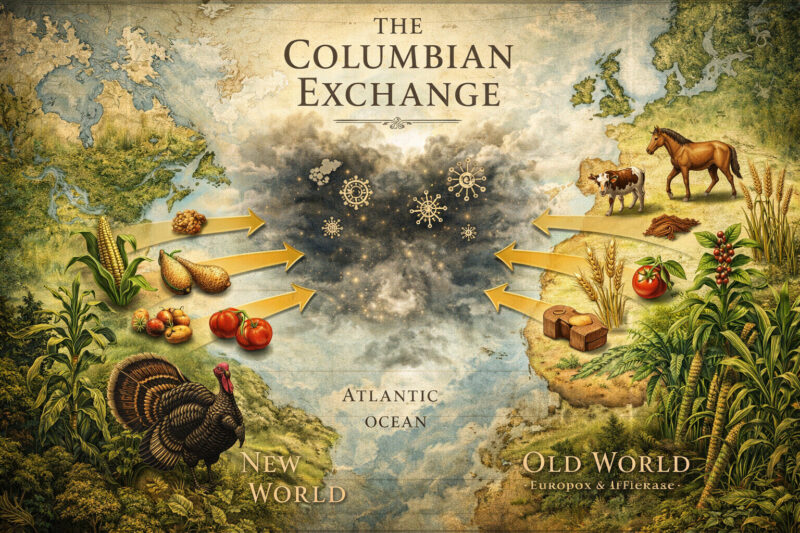
The Columbian Exchange IELTS Reading: Dịch & giải chi tiết A-Z

Giải mã bài đọc: Complementary & alternative medicine IELTS Reading

Stadium Australia IELTS Reading: Giải chi tiết & Dịch nghĩa
Các tin liên quan
The Concept of Childhood in Western Countries IELTS Reading: Dịch & giải chi tiết
The Magic of Kefir IELTS Reading: Dịch bài đọc & đáp án chuẩn
The Columbian Exchange IELTS Reading: Dịch & giải chi tiết A-Z
Giải mã bài đọc: Complementary & alternative medicine IELTS Reading
Stadium Australia IELTS Reading: Giải chi tiết & Dịch nghĩa
Television and Sport IELTS Reading: Dịch chuẩn & Giải đề chi tiết

The Invention of Television IELTS Reading: Từ vựng & đáp án chuẩn

Frogwatch IELTS Reading: Bài dịch & đáp án chuẩn nhất
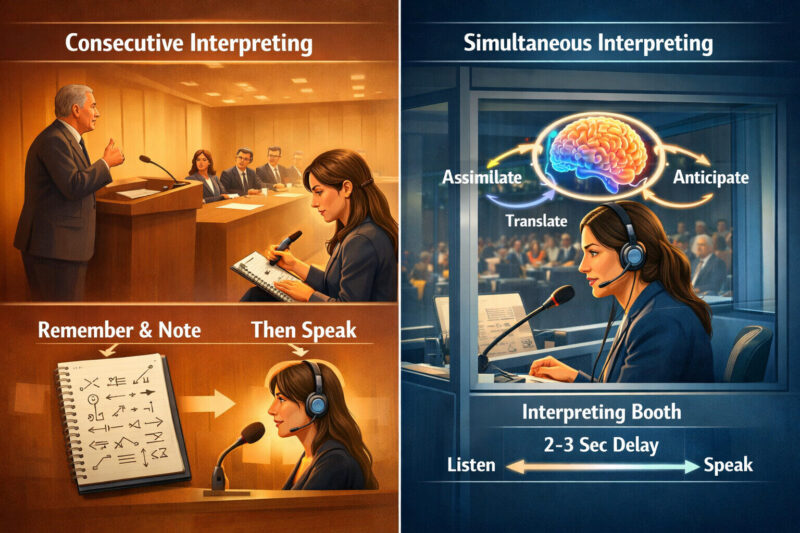
Consecutive and Simultaneous Translation IELTS Reading: Dịch chuẩn & Giải chi tiết

Fears IELTS Reading: Bản dịch chuẩn & giải chi tiết từ A-Z
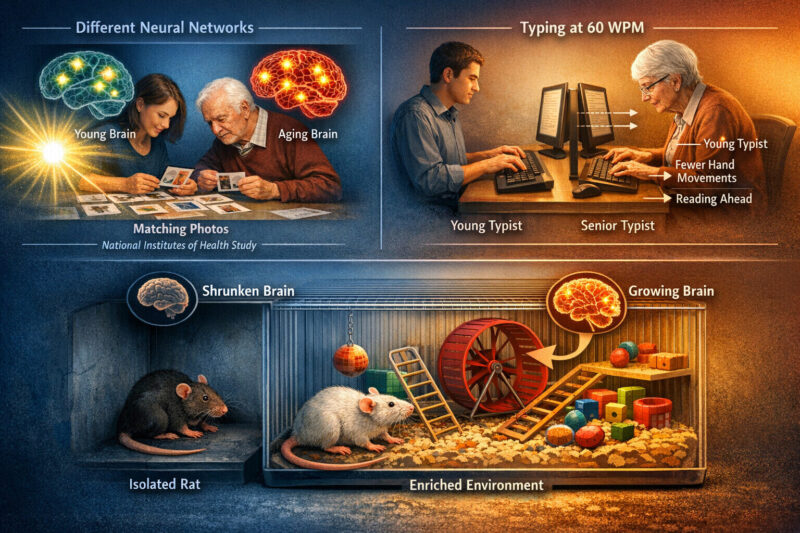
Memory and Age IELTS Reading: Dịch chuẩn & Giải chi tiết

Đáp án & từ vựng bài đọc Photovoltaics on the rooftop IELTS Reading




Lượt Đăng Ký
NHẬN TƯ VẤN NGAY
Vui lòng để lại thông tin để được tư vấn chi tiết lộ trình học và thi IELTS ở trên
