
Describe a time when you received the wrong information (IELTS Speaking)


Tóm Tắt Nội Dung Bài Viết
Describe a time when you received the wrong information (IELTS Speaking)


Tóm Tắt Nội Dung Bài Viết
Chào các bạn, trong IELTS Speaking, có một dạng đề tưởng chừng rất quen thuộc nhưng lại là “bẫy” khiến nhiều thí sinh mất điểm oan, đó là dạng đề kể lại trải nghiệm cá nhân và rút ra bài học. Một ví dụ điển hình chính là: “Describe a time when you received the wrong information”.
Nghe thì đơn giản, nhưng nếu bạn chỉ kể chuyện theo lối mòn “ai nói gì – mình tin – mình bị sai – mình buồn” thì rất khó để bật lên các band điểm cao. Hôm nay, cô Nguyễn Hà Anh – Giáo viên 8.0 IELTS tại ECE sẽ hướng dẫn các bạn cách “nâng cấp” câu chuyện này để gây ấn tượng mạnh với giám khảo nhé.
Phân tích đề bài và cách lên ý tưởng
Với đề bài này, giám khảo không chấm điểm dựa trên độ bi đát của câu chuyện. Họ quan tâm đến cách bạn xử lý vấn đề. Một bài nói đạt điểm cao cần trả lời được 3 câu hỏi cốt lõi:
-
Xử lý: Bạn phản ứng với thông tin sai lệch đó như thế nào?
-
Nhận thức: Bạn nhận ra vấn đề nằm ở đâu (do mình chủ quan hay do nguồn tin)?
-
Phản tư (Reflection): Bài học xương máu bạn rút ra là gì?
Nguyên tắc vàng: Câu chuyện càng đơn giản, phần suy nghĩ (reflection) càng sâu sắc thì điểm càng cao.
Gợi ý từ vựng & cấu trúc hay cho chủ đề: Describe a time when you received the wrong information – IELTS Speaking
Để bài nói có chiều sâu và thể hiện được Lexical Resource (Từ vựng) cũng như Grammatical Range (Ngữ pháp), các bạn hãy bỏ túi ngay những cụm từ sau:
a. Từ vựng (Vocabulary)
-
Misleading information /mɪsˈliːdɪŋ ˌɪnfəˈmeɪʃn/: Thông tin gây hiểu lầm.
-
Unreliable source /ˌʌnrɪˈlaɪəbl sɔːs/: Nguồn tin không đáng tin cậy.
-
To take something at face value (Idiom): Tin tưởng điều gì đó ngay lập tức mà không kiểm chứng.
-
To double-check / verify information: Kiểm tra lại/ xác minh thông tin.
-
It turned out that…: Hóa ra là… (dùng để mô tả sự thật sau khi vỡ lẽ).
b. Cấu trúc ngữ pháp “đắt” (Grammar)
-
I was under the impression that…: Tôi cứ đinh ninh rằng/ Tôi cứ tưởng là… (Dùng để miêu tả suy nghĩ sai lầm ban đầu).
-
Looking back, I realized that…: Nhìn lại, tôi nhận ra rằng… (Dùng cho phần Reflection).
-
Had I checked the information more carefully, I would have…: Nếu tôi kiểm tra kỹ hơn thì tôi đã… (Câu điều kiện loại 3 đảo ngữ – Cực kỳ tốt để thể hiện sự tiếc nuối và bài học).
Bài mẫu Part 2 (Sample Answer)
Topic: Describe a time when you received the wrong information.
Dàn ý triển khai:
1. Bối cảnh: Kỳ thi thử IELTS tại đại học.
2. Thông tin sai: Nhầm lịch thi (sáng vs chiều) do nghe bạn cùng lớp.
3. Hậu quả: Đến muộn, không được vào thi, mất cơ hội đánh giá năng lực.
4. Cảm xúc & Bài học: Xấu hổ, thất vọng và học được thói quen tự kiểm chứng (cross-check).
Bài mẫu chi tiết:
One memorable time when I received the wrong information was related to an IELTS mock test during my time at university.
Back then, I was preparing quite seriously for the IELTS exam, so I tried to attend as many mock tests as possible. A few days before one of these tests, a classmate told me that the exam would be held in the afternoon instead of the morning. Because he sounded confident and had attended similar tests before, I was under the impression that the information was reliable. As a result, I didn’t take the time to check the official notice myself.
Unfortunately, it later turned out that the mock test actually started early in the morning. When I arrived at the test center, the listening section had already begun, and I was not allowed to enter the room. Missing the test meant that I lost a valuable chance to evaluate my weaknesses before the real exam, which made the situation even more frustrating.
At that moment, I felt a mixture of embarrassment and disappointment. I was embarrassed because the mistake was entirely mine, and disappointed because such a simple action, like double-checking the schedule, could have prevented everything. Looking back, had I verified the information instead of taking it at face value, I would have avoided an unnecessary problem.
This experience taught me an important lesson about being more cautious with information, especially when it comes from unofficial sources. Since then, I’ve made it a habit to cross-check important details myself rather than relying solely on what others say.
Giải Mã Part 3: Chủ đề Information & Truth
Chủ đề này thường dẫn dắt sang các câu hỏi vĩ mô về tin giả (fake news) và tư duy phản biện. Dưới đây là cách trả lời mẫu của cô Hà Anh:
1. Why do people often believe wrong information? I think there are several reasons. First of all, many people rely too heavily on second-hand information, especially from social media, without questioning its accuracy. If the source is someone they trust, they tend to accept it blindly. Another reason is confirmation bias – people prefer information that supports their existing beliefs, so they are less motivated to check if it’s actually true.
2. Is it easier to spread false information nowadays than in the past? Yes, definitely. With the rise of social media, information can be shared instantly with a massive audience. Unlike in the past where news went through editors or official channels, now anyone can post content without fact-checking. Moreover, false information is often designed to be shocking or emotional, which makes it spread much faster than the boring truth.
3. How can individuals avoid being misinformed? In my opinion, the most effective way is to develop a habit of verifying information from multiple reliable sources. Instead of trusting a single post, we should compare it with official websites or reputable news outlets. Also, critical thinking is key – we need to constantly ask: “Where does this come from?” and “Is there evidence to support this?”.
4. Do you think governments should control false information on the internet? I believe they should, to a certain extent, especially when misinformation threatens public safety (like health or national security issues). However, it’s a delicate balance. Too much control could limit freedom of speech. So, instead of strict censorship, governments should focus on educating the public on how to evaluate information critically.
Các bạn thấy đấy, một đề bài về “thông tin sai” không nhất thiết phải là một câu chuyện kịch tính. Chính cách bạn sử dụng các cấu trúc như Conditionals (Câu điều kiện) để phản biện lại quá khứ và các từ vựng về Critical thinking (Tư duy phản biện) mới là chìa khóa giúp bạn đạt band 8.0+. Hãy thử áp dụng dàn ý trên để kể lại câu chuyện của chính mình nhé. Chúc các bạn ôn tập hiệu quả!

Đoàn Nương
Tôi là Đoàn Nương - Giám đốc trung tâm ngoại ngữ ECE. Tôi hiện đang là giảng viên của khoa ngôn ngữ các nước nói tiếng Anh - Trường Đại Học Quốc Gia Hà Nội. Tôi đã có 19 năm kinh nghiệm giảng dạy IELTS và 15 năm là giảng viên Đại Học. Tôi mong muốn đưa ECE trở thành trung tâm ngoại ngữ cho tất cả mọi người, mang tới cho học viên môi trường học tập tiếng Anh chuyên nghiệp và hiệu quả.
Tìm hiểu các khóa học tại ECE
Tin Tức Cùng Danh Mục

The Concept of Childhood in Western Countries IELTS Reading: Dịch & giải chi tiết

The Magic of Kefir IELTS Reading: Dịch bài đọc & đáp án chuẩn
The Columbian Exchange IELTS Reading: Dịch & giải chi tiết A-Z

Giải mã bài đọc: Complementary & alternative medicine IELTS Reading

Stadium Australia IELTS Reading: Giải chi tiết & Dịch nghĩa
Các tin liên quan
The Concept of Childhood in Western Countries IELTS Reading: Dịch & giải chi tiết
The Magic of Kefir IELTS Reading: Dịch bài đọc & đáp án chuẩn
The Columbian Exchange IELTS Reading: Dịch & giải chi tiết A-Z
Giải mã bài đọc: Complementary & alternative medicine IELTS Reading
Stadium Australia IELTS Reading: Giải chi tiết & Dịch nghĩa
Television and Sport IELTS Reading: Dịch chuẩn & Giải đề chi tiết

The Invention of Television IELTS Reading: Từ vựng & đáp án chuẩn

Frogwatch IELTS Reading: Bài dịch & đáp án chuẩn nhất
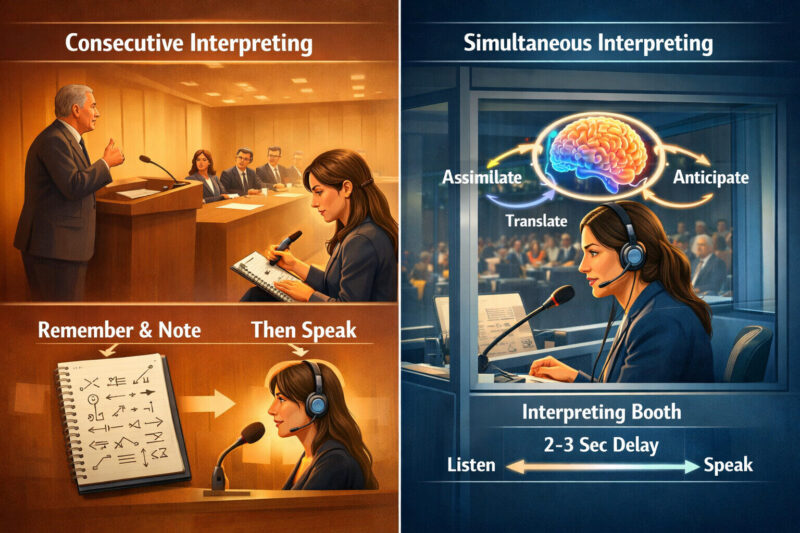
Consecutive and Simultaneous Translation IELTS Reading: Dịch chuẩn & Giải chi tiết

Fears IELTS Reading: Bản dịch chuẩn & giải chi tiết từ A-Z
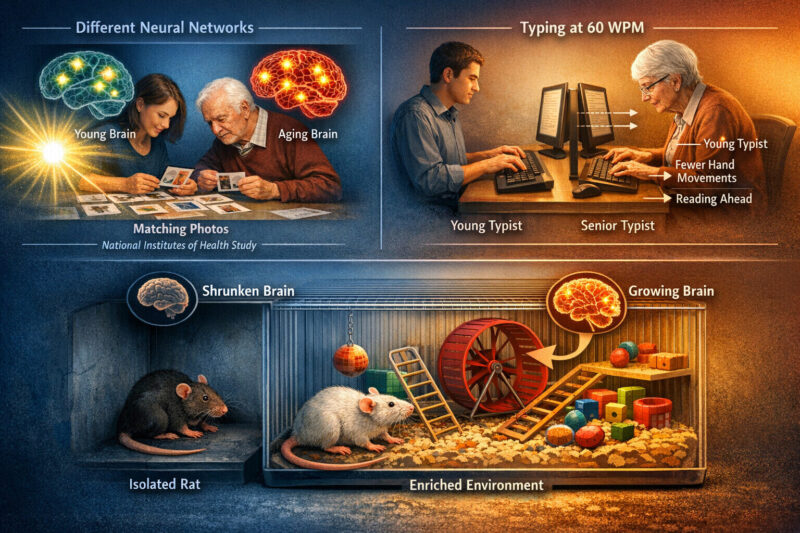
Memory and Age IELTS Reading: Dịch chuẩn & Giải chi tiết
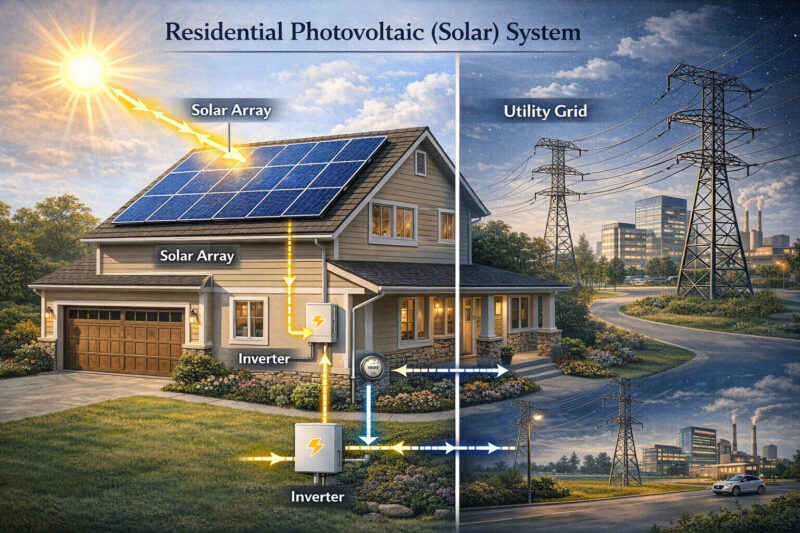
Đáp án & từ vựng bài đọc Photovoltaics on the rooftop IELTS Reading




Lượt Đăng Ký

NHẬN TƯ VẤN NGAY
Vui lòng để lại thông tin để được tư vấn chi tiết lộ trình học và thi IELTS ở trên
