

Bird Migration IELTS Reading: Phân tích chi tiết đề & đáp án



Tóm Tắt Nội Dung Bài Viết
Bird Migration IELTS Reading: Phân tích chi tiết đề & đáp án


Tóm Tắt Nội Dung Bài Viết
Bạn đang chuẩn bị cho kỳ thi IELTS Reading và gặp khó khăn với các bài đọc dài, nhiều thông tin? Bài viết này của ECE English sẽ cùng bạn đi sâu phân tích một bài đọc mẫu thú vị về “Bird Migration” (Di cư của loài chim) – một chủ đề thường xuyên xuất hiện trong các đề thi IELTS. Chúng ta sẽ không chỉ tìm hiểu về những bí ẩn đằng sau hành trình di cư đáng kinh ngạc của chim mà còn được hướng dẫn chi tiết cách phân tích và trả lời từng dạng câu hỏi trong IELTS Reading, giúp bạn nâng cao kỹ năng làm bài và đạt điểm cao.
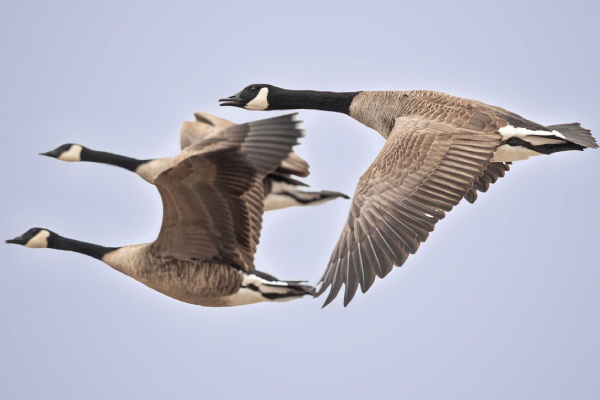
Bird migration IELTS Reading
Bird Migration
A. Birds have many unique design features that enable them to perform such amazing feats of endurance. They are equipped with lightweight, hollow bones, intricately designed feathers providing both lift and thrust for rapid flight, navigation systems superior to any that man has developed, and an ingenious heat conserving design that, among other things, concentrates all blood circulation beneath layers of warm, waterproof plumage, leaving them fit to face life in the harshest of climates. Their respiratory systems have to perform efficiently during sustained flights at altitude, so they have a system of extracting oxygen from their lungs that far exceeds that of any other animal. During the later stages of the summer breeding season, when food is plentiful, their bodies can accumulate considerable layers of fat, to provide sufficient energy for their long migratory flights.
B. The fundamental reason that birds migrate is to find adequate food during the winter months when it is in short supply. This particularly applies to birds that breed in the temperate and Arctic regions of the Northern Hemisphere, where food is abundant during the short growing season. Many species can tolerate cold temperatures if food is plentiful, but when food is not available, they must migrate. However, intriguing questions remain.
C. One puzzling fact is that many birds journey much further than would be necessary just to find food and good weather. Nobody knows, for instance, why British swallows, which could presumably survive equally well if they spent the winter in equatorial Africa, instead of fly several thousands of miles further to their preferred winter home in South Africa’s Cape Province. Another mystery involves the huge migrations performed by arctic terns and mudflat-feeding shorebirds that breed close to Polar Regions. In general, the further north a migrant species breeds, the further south it spends the winter. For arctic terns, this necessitates an annual round trip of 25,000 miles. Yet, en route to their final destination in far-flung southern latitudes, all these individuals overfly other areas of seemingly suitable habitat spanning two hemispheres. While we may not fully understand birds’ reasons for going to particular places, we can marvel at their feats.
D. One of the greatest mysteries is how young birds know how to find the traditional wintering areas without parental guidance. Very few adults migrate with juveniles in tow, and youngsters may even have little or no inkling of their parents’ appearance. A familiar example is that of the cuckoo, which lays its eggs in another species’ nest and never reencounters its young. It is mind-boggling to consider that, once raised by its host species, the young cuckoo makes its way to ancestral wintering grounds in the tropics before returning single-handedly to northern Europe the next season to seek out a mate among its kind. The obvious implication is that it inherits from its parents an inbuilt route map and direction-finding capability, as well as a mental image of what another cuckoo looks like. Yet nobody has the slightest idea as to how this is possible.
E. Mounting evidence has confirmed that birds use the positions of the sun and stars to obtain compass directions. They also seem to be able to detect the earth’s magnetic field, probably due to having minute crystals of magnetite in the region of their brains. However, accurate navigation also requires an awareness of position and time, especially when lost. Experiments have shown that after being taken thousands of miles over an unfamiliar landmass, birds are still capable of returning rapidly to nest sites. Such phenomenal powers are the product of computing several sophisticated cues, including an inborn map of the night sky and the pull of the earth’s magnetic field. How the birds use their ‘instruments’ remains unknown, but one thing is clear: they see the world with a superior sensory perception to ours. Most small birds migrate at night and take their direction from the position of the setting sun. However, as well as seeing the sun go down, they also seem to see the plane of polarized light caused by it, which calibrates their compass. Travelling at night provides other benefits. Daytime predators are avoided and the danger of dehydration due to flying for long periods in warm, sunlit skies is reduced. Furthermore, at night the air is generally cool and less turbulent and so conducive to sustained, stable flight.
F. Nevertheless, all journeys involve considerable risk, and part of the skill in arriving safely is setting off at the right time. This means accurate weather forecasting and utilizing favourable winds. Birds are adept at both, and, in laboratory tests, some have been shown to detect the minute difference in barometric pressure between the floor and ceiling of a room. Often birds react to weather changes before there is any visible sign of them. Lapwings, which feed on grassland, flee west from the Netherlands to the British Isles, France, and Spain at the onset of a cold snap. When the ground surface freezes, the birds could starve. Yet they return to Holland ahead of a thaw, their arrival linked to a pressure change presaging an improvement in the weather.
G. In one instance a Welsh Manx shearwater carried to America and released was back in its burrow on Skokholm Island, off the Pembrokeshire coast, one day before a letter announcing its release! Conversely, each autumn a small number of North American birds are blown across the Atlantic by fast-moving westerly tailwinds. Not only do they arrive safely in Europe, but, based on ringing evidence, some make it back to North America the following spring, after probably spending the winter with European migrants in sunny African climes.
Questions 1 – 7: Reading passage has seven paragraphs, A-G.
Choose the correct heading for each paragraph from the list of headings below. Write the correct number, i-x, in boxes 1-7 on your answer sheet
List of headings
i. The best moment to migrate
ii. The unexplained rejection of closer feeding ground
iii.The influence of weather on the migration route
iv. Physical characteristics that allow birds to migrate v. The main reason why birds migrate
vi. The best wintering grounds for birds
vii. Research findings on how birds migrate
viii. Successful migration despite the trouble of wind
ix. The contrast between long-distance migration and short-distance migration x. Mysterious migration despite lack of teaching
Check answers
1. Paragraph A
2. Paragraph B
3. Paragraph C
4. Paragraph D
5. Paragraph E
6. Paragraph F
7. Paragraph G
Questions 8-9:
Choose TWO letters, A-E.
Write the correct letters in your answer sheet.
Which TWO of the following statements are true of bird migration?
Check answers
A Birds often fly further than they need to.
B Birds travelling in family groups are safe.
C Birds flying at night need less water.
D Birds have much sharper eyesight than humans.
E Only shorebirds are resistant to strong winds.
Questions 10-13: Complete the sentences below using NO MORE THAN ONE WORD OR NUMBER from the passage. Write your answers in your answer sheet
Check answers
10. It is a great mystery that young birds like cuckoos can find their wintering grounds without………
11. Evidence shows birds can tell directions like a……….by observing the sun and the stars.
12. One advantage for birds flying at night is that they can avoid contact with……..
13. Laboratory tests show that birds can detect weather without……..signs.
Phân tích bài đọc IELTS Reading Bird Migration & đáp án
Bài đọc “Bird Migration” đề cập đến nhiều khía cạnh thú vị và bí ẩn của hiện tượng di cư ở loài chim, từ những đặc điểm sinh học giúp chúng thực hiện hành trình dài, lý do di cư, các câu hỏi chưa lời đáp về hành trình, khả năng định hướng cho đến sự ảnh hưởng của thời tiết và những trường hợp di cư đáng kinh ngạc.
Chúng ta sẽ đi sâu vào từng phần câu hỏi.
Phần 1: Matching Headings (Questions 1-7)
Đây là dạng câu hỏi yêu cầu bạn chọn tiêu đề phù hợp nhất cho mỗi đoạn văn. Để làm tốt dạng này, hãy đọc lướt qua từng đoạn để nắm ý chính, sau đó xem xét các tiêu đề đã cho và loại bỏ những lựa chọn không phù hợp.
List of headings: i. The best moment to migrate ii. The unexplained rejection of closer feeding ground iii. The influence of weather on the migration route iv. Physical characteristics that allow birds to migrate v. The main reason why birds migrate vi. The best wintering grounds for birds vii. Research findings on how birds migrate viii. Successful migration despite the trouble of wind ix. The contrast between long-distance migration and short-distance migration x. Mysterious migration despite lack of teaching
1. Paragraph A
- Phân tích đoạn A: Đoạn này tập trung mô tả các đặc điểm cấu tạo sinh học của chim: xương rỗng, lông vũ, hệ thống hô hấp hiệu quả, khả năng tích lũy mỡ. Tất cả những đặc điểm này đều phục vụ cho khả năng bay xa và chịu đựng của chim. Các cụm từ như “unique design features,” “lightweight, hollow bones,” “intricately designed feathers,” “respiratory systems have to perform efficiently” đều hướng đến các đặc điểm thể chất.
- Đối chiếu với List of headings:
- iv. Physical characteristics that allow birds to migrate: Hoàn toàn khớp với nội dung của đoạn A. Đoạn này liệt kê các đặc điểm vật lý giúp chim di cư.
- Đáp án: 1. iv
2. Paragraph B
- Phân tích đoạn B: Đoạn này bắt đầu bằng “The fundamental reason that birds migrate is to find adequate food during the winter months when it is in short supply.” Điều này trực tiếp nói về lý do cơ bản nhất của việc di cư. Sau đó, đoạn này mở rộng bằng cách giải thích rằng nhiều loài có thể chịu đựng nhiệt độ lạnh nếu có đủ thức ăn, nhưng sẽ phải di cư khi thức ăn khan hiếm.
- Đối chiếu với List of headings:
- v. The main reason why birds migrate: Chính xác là ý chính của đoạn B.
- Đáp án: 2. v
3. Paragraph C
- Phân tích đoạn C: Đoạn này đặt ra những câu hỏi “puzzling” và “mystery” về việc chim di cư xa hơn mức cần thiết, ví dụ như chim én của Anh bay đến Nam Phi dù có thể sống sót ở Châu Phi xích đạo, hay chim nhạn Bắc Cực bay 25.000 dặm dù có “seemingly suitable habitat spanning two hemispheres” trên đường đi. Đoạn này nhấn mạnh sự khó hiểu về việc chim từ chối những vùng đất có vẻ phù hợp gần hơn.
- Đối chiếu với List of headings:
- ii. The unexplained rejection of closer feeding ground: Miêu tả chính xác vấn đề được đề cập trong đoạn C – chim từ chối những nơi có vẻ phù hợp và di cư xa hơn.
- Đáp án: 3. ii
4. Paragraph D
- Phân tích đoạn D: Đoạn này tập trung vào “One of the greatest mysteries is how young birds know how to find the traditional wintering areas without parental guidance.” Ví dụ về chim cu gáy (cuckoo) được nuôi bởi loài khác và tự tìm đường đến vùng trú đông tổ tiên mà không có sự dạy bảo nào được nhấn mạnh. “Mysterious migration despite lack of teaching” là từ khóa chính.
- Đối chiếu với List of headings:
- x. Mysterious migration despite lack of teaching: Hoàn toàn khớp với nội dung đoạn D, nói về việc chim non di cư một cách bí ẩn mà không được học từ bố mẹ.
- Đáp án: 4. x
5. Paragraph E
- Phân tích đoạn E: Đoạn này nói về các “instruments” (công cụ) mà chim sử dụng để định hướng: vị trí của mặt trời và các vì sao, từ trường Trái Đất (“minute crystals of magnetite in the region of their brains”). Đoạn này cũng đề cập đến “accurate navigation” và “sophisticated cues” cùng với “inborn map of the night sky”. Các thí nghiệm cũng cho thấy chim có khả năng quay về tổ sau khi bị đưa đi xa. Đây là các phát hiện và nghiên cứu về cách chim di cư.
- Đối chiếu với List of headings:
- vii. Research findings on how birds migrate: Đoạn này trình bày các bằng chứng và phát hiện về cách chim định hướng và di cư, bao gồm cả các thí nghiệm.
- Đáp án: 5. vii
6. Paragraph F
- Phân tích đoạn F: Đoạn này bắt đầu bằng “all journeys involve considerable risk, and part of the skill in arriving safely is setting off at the right time. This means accurate weather forecasting and utilizing favourable winds.” Đoạn này mô tả cách chim phản ứng với sự thay đổi thời tiết, như việc chim choi choi (Lapwings) bay đến quần đảo Anh khi trời trở lạnh và quay về Hà Lan trước khi băng tan, liên quan đến “pressure change presaging an improvement in the weather.”
- Đối chiếu với List of headings:
- iii. The influence of weather on the migration route: Hoàn toàn phù hợp, đoạn này nói về tác động của thời tiết và khả năng dự báo thời tiết của chim đối với hành trình di cư.
- Đáp án: 6. iii
7. Paragraph G
- Phân tích đoạn G: Đoạn này đưa ra hai ví dụ cụ thể về sự di cư thành công bất chấp những trở ngại. Ví dụ chim Manx shearwater được thả ở Mỹ vẫn quay về tổ ở Wales, thậm chí trước cả lá thư thông báo. Ví dụ thứ hai là chim Bắc Mỹ bị thổi bay qua Đại Tây Dương bởi gió mạnh nhưng vẫn đến châu Âu an toàn và một số còn quay về Bắc Mỹ sau đó. Cả hai ví dụ đều minh chứng cho khả năng di cư thành công bất chấp điều kiện gió bất lợi.
- Đối chiếu với List of headings:
- viii. Successful migration despite the trouble of wind: Khớp với nội dung đoạn G, nơi các ví dụ cho thấy chim vẫn di cư thành công dù gặp gió cản hoặc gió thổi bay.
- Đáp án: 7. viii
Phần 2: Multiple Choice (Questions 8-9)
Dạng câu hỏi này yêu cầu chọn HAI phát biểu đúng từ các lựa chọn cho sẵn. Hãy đọc kỹ từng lựa chọn và tìm thông tin chứng minh hoặc bác bỏ trong bài đọc.
8-9. Which TWO of the following statements are true of bird migration?
- A Birds often fly further than they need to.
- Kiểm chứng: Đoạn C nêu rõ: “One puzzling fact is that many birds journey much further than would be necessary just to find food and good weather.” Ví dụ về chim én Anh bay xa hơn đến Nam Phi dù có thể sống ở Châu Phi xích đạo, và chim nhạn Bắc Cực bay 25.000 dặm dù “overfly other areas of seemingly suitable habitat”.
- Kết luận: Đúng.
- B Birds travelling in family groups are safe.
- Kiểm chứng: Đoạn D nói: “Very few adults migrate with juveniles in tow, and youngsters may even have little or no inkling of their parents’ appearance.” Điều này ngụ ý rằng chim thường không di cư theo nhóm gia đình, và thông tin về sự an toàn khi di chuyển theo nhóm gia đình không được đề cập hoặc xác nhận.
- Kết luận: Sai.
- C Birds flying at night need less water.
- Kiểm chứng: Đoạn E nói: “Travelling at night provides other benefits. Daytime predators are avoided and the danger of dehydration due to flying for long periods in warm, sunlit skies is reduced.” Việc bay đêm giúp giảm nguy cơ mất nước (dehydration) do bay trong điều kiện nóng, nắng ban ngày.
- Kết luận: Đúng.
- D Birds have much sharper eyesight than humans.
- Kiểm chứng: Đoạn E có đề cập đến “they see the world with a superior sensory perception to ours,” nhưng không trực tiếp nói về “eyesight” (thị lực) mà là “sensory perception” (nhận thức cảm giác) nói chung, bao gồm cả khả năng nhìn thấy mặt trời lặn và mặt phẳng ánh sáng phân cực. Bài đọc không khẳng định thị lực của chim sắc bén hơn nhiều so với con người một cách cụ thể.
- Kết luận: Không được xác nhận rõ ràng/không đúng hoàn toàn theo bài đọc.
- E Only shorebirds are resistant to strong winds.
- Kiểm chứng: Đoạn G mô tả việc chim Manx shearwater (không phải shorebird) được đưa sang Mỹ vẫn quay về, và một số chim Bắc Mỹ (không giới hạn shorebirds) bị thổi bay qua Đại Tây Dương bởi gió mạnh nhưng vẫn đến châu Âu an toàn. Bài đọc không nói “only shorebirds” có khả năng này.
- Kết luận: Sai.
- Đáp án: 8. A và 9. C (Thứ tự A và C không quan trọng).
Phần 3: Sentence Completion (Questions 10-13)
Dạng câu hỏi này yêu cầu bạn hoàn thành câu với KHÔNG QUÁ MỘT TỪ HOẶC SỐ từ bài đọc. Hãy xác định từ khóa trong câu hỏi và tìm thông tin tương ứng trong bài đọc.
10. It is a great mystery that young birds like cuckoos can find their wintering grounds without ________.
- Phân tích câu hỏi: Tìm kiếm thông tin về chim non, chim cu gáy, tìm vùng trú đông và từ khóa “without”.
- Tìm kiếm trong bài đọc: Đoạn D nói: “One of the greatest mysteries is how young birds know how to find the traditional wintering areas without parental guidance.”
- Từ khóa cần điền: “parental guidance”
- Lưu ý giới hạn từ: Chỉ được “NO MORE THAN ONE WORD OR NUMBER”. Từ “guidance” là một từ duy nhất phù hợp.
- Đáp án: 10. guidance
11. Evidence shows birds can tell directions like a ________ by observing the sun and the stars.
- Phân tích câu hỏi: Tìm thông tin về chim có thể xác định hướng, quan sát mặt trời và các vì sao, và từ khóa “like a”.
- Tìm kiếm trong bài đọc: Đoạn E nói: “Mounting evidence has confirmed that birds use the positions of the sun and stars to obtain compass directions.”
- Từ khóa cần điền: “compass” (la bàn)
- Đáp án: 11. compass
12. One advantage for birds flying at night is that they can avoid contact with ________.
- Phân tích câu hỏi: Tìm kiếm lợi ích của việc chim bay đêm và từ khóa “avoid contact with”.
- Tìm kiếm trong bài đọc: Đoạn E nói: “Travelling at night provides other benefits. Daytime predators are avoided…”
- Từ khóa cần điền: “predators”
- Đáp án: 12. predators
13. Laboratory tests show that birds can detect weather without ________ signs.
- Phân tích câu hỏi: Tìm kiếm thông tin về kiểm tra trong phòng thí nghiệm, khả năng chim phát hiện thời tiết và từ khóa “without… signs”.
- Tìm kiếm trong bài đọc: Đoạn F nói: “Often birds react to weather changes before there is any visible sign of them.”
- Từ khóa cần điền: “visible”
- Đáp án: 13. visible
Bài đọc Bird Migration không chỉ cung cấp cái nhìn sâu sắc về hành trình di cư kỳ diệu của loài chim – từ những đặc điểm sinh học ưu việt đến khả năng định hướng phi thường – mà còn là nguồn tài liệu hữu ích cho việc luyện thi IELTS Reading. Hy vọng những phân tích trên của trung tâm ngoại ngữ ECE đã giúp bạn nắm vững kiến thức và kỹ năng cần thiết để chinh phục dạng bài này.

Đoàn Nương
Tôi là Đoàn Nương - Giám đốc trung tâm ngoại ngữ ECE. Tôi hiện đang là giảng viên của khoa ngôn ngữ các nước nói tiếng Anh - Trường Đại Học Quốc Gia Hà Nội. Tôi đã có 19 năm kinh nghiệm giảng dạy IELTS và 15 năm là giảng viên Đại Học. Tôi mong muốn đưa ECE trở thành trung tâm ngoại ngữ cho tất cả mọi người, mang tới cho học viên môi trường học tập tiếng Anh chuyên nghiệp và hiệu quả.
Tìm hiểu các khóa học tại ECE
Tin Tức Cùng Danh Mục

The Concept of Childhood in Western Countries IELTS Reading: Dịch & giải chi tiết

The Magic of Kefir IELTS Reading: Dịch bài đọc & đáp án chuẩn

The Columbian Exchange IELTS Reading: Dịch & giải chi tiết A-Z

Giải mã bài đọc: Complementary & alternative medicine IELTS Reading

Stadium Australia IELTS Reading: Giải chi tiết & Dịch nghĩa
Các tin liên quan
The Concept of Childhood in Western Countries IELTS Reading: Dịch & giải chi tiết
The Magic of Kefir IELTS Reading: Dịch bài đọc & đáp án chuẩn
The Columbian Exchange IELTS Reading: Dịch & giải chi tiết A-Z
Giải mã bài đọc: Complementary & alternative medicine IELTS Reading
Stadium Australia IELTS Reading: Giải chi tiết & Dịch nghĩa

Television and Sport IELTS Reading: Dịch chuẩn & Giải đề chi tiết

The Invention of Television IELTS Reading: Từ vựng & đáp án chuẩn

Frogwatch IELTS Reading: Bài dịch & đáp án chuẩn nhất

Consecutive and Simultaneous Translation IELTS Reading: Dịch chuẩn & Giải chi tiết

Fears IELTS Reading: Bản dịch chuẩn & giải chi tiết từ A-Z

Memory and Age IELTS Reading: Dịch chuẩn & Giải chi tiết

Đáp án & từ vựng bài đọc Photovoltaics on the rooftop IELTS Reading




Lượt Đăng Ký

NHẬN TƯ VẤN NGAY
Vui lòng để lại thông tin để được tư vấn chi tiết lộ trình học và thi IELTS ở trên
