
IELTS Reading “Keeping the water away”: Đáp án & phân tích chi tiết



Tóm Tắt Nội Dung Bài Viết
IELTS Reading “Keeping the water away”: Đáp án & phân tích chi tiết


Tóm Tắt Nội Dung Bài Viết
Hàng thế kỷ qua, con người đã cố gắng “chế ngự” những dòng sông bằng đê và đập bê tông kiên cố, với mong muốn đẩy nước lũ ra biển càng nhanh càng tốt. Nhưng nghịch lý thay, lũ lụt ngày càng trở nên tồi tệ hơn. Bài đọc IELTS “Keeping the water away” sẽ đưa chúng ta khám phá một cuộc cách mạng trong tư duy thủy lợi: thay vì chống lại, hãy “làm bạn” với dòng nước. Bài viết này của ECE sẽ phân tích sâu bài đọc hấp dẫn này, cung cấp đáp án kèm giải thích chi tiết và các từ vựng then chốt, giúp bạn làm chủ các dạng bài phức tạp như Locating Information và Summary Completion.
Nội dung bài đọc & Câu hỏi
Keeping the water away
New approaches to flood control
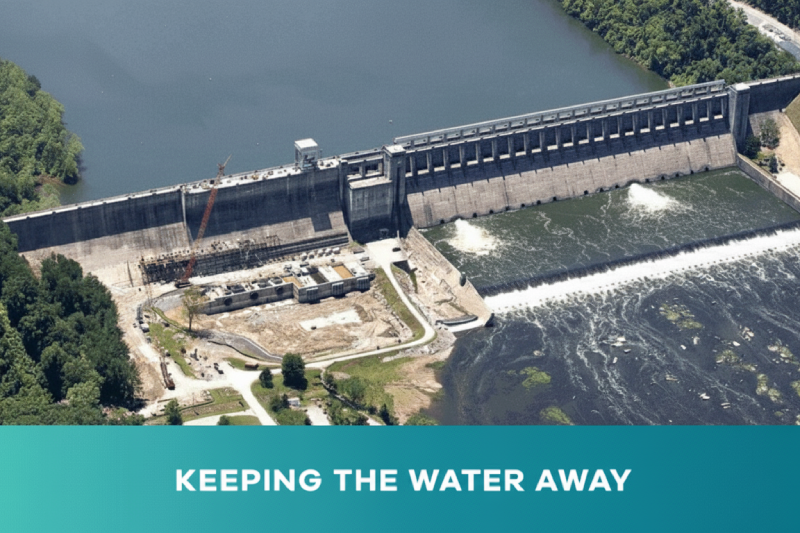
Keeping the water away – IELTS Reading
(A) Recently, winter floods on the rivers of central Europe have been among the worst for 600 to 700 years, and dams and dykes (protective sea walls) have failed to solve the problem…
(B) Engineers are now turning to a different plan: to sap the water’s destructive strength by dispersing it into fields… Back in the days when rivers took a winding path to the sea, floodwaters lost force and volume while meandering across flood plains…
(C) …The Rhine, Europe’s most engineered river, is a good example. For a long time engineers have erased its backwaters and cut it off from its plain. The aim was partly to improve navigation, and partly to speed floodwaters out of Alps and down to the North Sea. The same thing has happened in the US on the Mississippi river…
(D) …To help keep London’s feet dry, the UK Environment Agency is reflooding 10 square kilometres of the ancient flood plain of the River Thames outside Oxford… Similar ideas are being tested in Austria… The engineers calculate that the restored flood plain of the Drava River can now store up to 10 million cubic metres of floodwater… protecting towns not only in Austria, but as far downstream as Slovenia and Croatia.
(E) The Dutch… have broken one of their most enduring national stereotypes by allowing engineers to punch holes in dykes. They plan to return up to a sixth of the country to its former waterlogged state in order to better protect the rest.
(F) Water use in cities also needs to change… A new breed of ‘soft engineers’ wants cities to be porous. Berlin is one place where this is being done. Tough new rules for new developments mean that drains will be prevented from becoming overloaded after heavy rains. Architects of new urban buildings are diverting rainwater from the roofs for use in toilets and the irrigation of roof gardens…
(G) Could this be expanded to protect a whole city? The test case could be Los Angeles. …Result: less flooding and more water for the city. It may sound expensive, until we realise how much is spent trying to drain cities and protect areas from flooding, and how little this method achieves.
Câu hỏi
Question 1 – 6
Reading Passage 2 has seven paragraphs, A-G
Which paragraph contains the following information?
Write the correct letter. A-G, in boxes 1-6 on your answer sheet
- how legislation has forced building designers to improve water use
- two reasons why one river was isolated from its flood plain
- how natural water courses in the past assisted flood control
- an example of flood control on one river, affecting three countries
- a country which has partly destroyed one of its most typical features in order to control water
- the writer’s comment on the comparative cost effectiveness of traditional flood control and newer methods
Questions 7 – 8
Choose TWO letters A-E.
Write the correct letter, in boxes 7-8 on your answer sheet
According to the article, which TWO of these statements are true of the new approach to flood control?
A. It aims to slow the movement of water to the sea.
B. It aims to channel water more directly into rivers.
C. It will cost more than twice as much as former measures.
D. It will involve the loss of some areas of land.
E. It has been tested only in The Netherlands.
Questions 9 -13
Complete the sentences below.
Choose NO MORE THAN TWO WORDS from the passage for each answer. Write your answers in boxes 9 -13 on your answer sheet.
9. Some of the most severe floods for many centuries have recently occurred in parts of __________.
10. The Rhine and the __________ rivers have experienced similar problems with water control.
11. An area near Oxford will be reflooded to protect the city of __________.
12. Planners who wish to allow water to pass more freely through city surfaces are called __________.
13. A proposal for part of the city of __________ could show whether small-scale water projects could apply on a large scale.
Tóm tắt nội dung bài đọc Keeping the water away
Bài đọc “Keeping the water away” phân tích sự thất bại của các phương pháp kiểm soát lũ lụt truyền thống và giới thiệu một cách tiếp cận mới, “mềm dẻo” và thuận theo tự nhiên hơn.
- Vấn đề của phương pháp cũ: Các kỹ sư cố gắng xây đê cao và nắn thẳng dòng sông để thoát nước nhanh ra biển. Tuy nhiên, điều này lại khiến dòng chảy trở nên hung bạo, khó kiểm soát và gây ra những trận lụt tồi tệ hơn.
- Tư duy mới: Thay vì chống lại, các kỹ sư hiện đại tìm cách làm suy yếu sức mạnh của dòng nước bằng cách phân tán nó vào các vùng ngập lụt, đầm lầy và uốn khúc tự nhiên.
- Các ví dụ thực tiễn:
- Anh: Tái ngập lụt các vùng đồng bằng cổ xưa của sông Thames để bảo vệ London.
- Áo: Khôi phục vùng ngập lụt sông Drava, giúp bảo vệ các thị trấn ở cả Slovenia và Croatia.
- Hà Lan: Phá vỡ các con đê kiên cố để trả lại một phần đất cho nước, nhằm bảo vệ phần còn lại tốt hơn.
- Giải pháp đô thị: Các “kỹ sư mềm” đề xuất biến thành phố thành bề mặt “thấm nước” (porous) để thu gom và tái sử dụng nước mưa, giảm tải cho hệ thống thoát nước. Berlin và Los Angeles là những ví dụ tiên phong.
Tổng hợp từ vựng quan trọng trong bài đọc
- Dykes (danh từ): Đê, tường chắn nước.
- Sap (động từ): Làm suy yếu.
- Dispersing (động từ): Phân tán.
- Meandering (tính từ/động từ): Quanh co, uốn lượn.
- Barricaded (tính từ/động từ): Bị rào chắn, phong tỏa.
- Waterlogged (tính từ): Bị úng, ngập nước.
- Porous (tính từ): Thấm nước, có lỗ rỗ.
- Irrigation (danh từ): Sự tưới tiêu.
Gợi ý đáp án & Phân tích chuyên sâu
1. F
- Thông tin cần tìm: Luật pháp buộc các nhà thiết kế cải thiện việc sử dụng nước.
- Dẫn chứng (Đoạn F): “Tough new rules for new developments mean that drains will be prevented from becoming overloaded…”
2. C
- Thông tin cần tìm: Hai lý do một con sông bị tách khỏi vùng ngập lụt.
- Dẫn chứng (Đoạn C): “The aim was partly to improve navigation, and partly to speed floodwaters out…”
3. B
- Thông tin cần tìm: Dòng chảy tự nhiên trong quá khứ đã hỗ trợ kiểm soát lũ.
- Dẫn chứng (Đoạn B): “…when rivers took a winding path to the sea, floodwaters lost force and volume while meandering across flood plains…”
4. D
- Thông tin cần tìm: Ví dụ kiểm soát lũ trên một sông, ảnh hưởng ba quốc gia.
- Dẫn chứng (Đoạn D): “…protecting towns not only in Austria, but as far downstream as Slovenia and Croatia.”
5. E
- Thông tin cần tìm: Một quốc gia phá hủy một phần đặc điểm tiêu biểu của mình.
- Dẫn chứng (Đoạn E): “The Dutch have broken one of their most enduring national stereotypes by allowing engineers to punch holes in dykes.” (Đê là đặc điểm tiêu biểu của Hà Lan).
6. G
- Thông tin cần tìm: Bình luận của tác giả về hiệu quả chi phí so sánh giữa hai phương pháp.
- Dẫn chứng (Đoạn G): “It may sound expensive, until we realise how much is spent trying to drain cities and protect areas from flooding, and how little this method achieves.”
Câu 7 – 8
- Đáp án đúng là: A, D.
A. It aims to slow the movement of water to the sea.
- Dẫn chứng (Đoạn B): “…reviving river bends and marshes to curb the flow…” (“Curb the flow” – hạn chế dòng chảy, có nghĩa là làm chậm lại).
D. It will involve the loss of some areas of land.
- Dẫn chứng (Đoạn D, E): “…reflooding 10 square kilometres of the ancient flood plain…” và “They plan to return up to a sixth of the country to its former waterlogged state…” (Tái ngập lụt và trả lại đất cho nước có nghĩa là mất một số diện tích đất sử dụng).
9. central Europe
- Dẫn chứng (Đoạn A): “…winter floods on the rivers of central Europe have been among the worst…”
10. Mississippi
- Dẫn chứng (Đoạn C): “The same thing has happened in the US on the Mississippi river…”
11. London
- Dẫn chứng (Đoạn D): “To help keep London’s feet dry, the UK Environment Agency is reflooding 10 square kilometres of the ancient flood plain…”
12. soft engineers
- Dẫn chứng (Đoạn F): “A new breed of ‘soft engineers’ wants cities to be porous.”
13. Los Angeles
- Dẫn chứng (Đoạn G): “The test case could be Los Angeles.”
Bài đọc “Keeping the water away” là một ví dụ tuyệt vời về cách IELTS sử dụng các chủ đề về môi trường và quy hoạch đô thị để kiểm tra kỹ năng đọc hiểu. Điểm mấu chốt để thành công là khả năng nắm bắt ý chính của từng đoạn (cho dạng Locating Information) và đọc lướt để tìm kiếm các danh từ riêng, con số cụ thể (cho dạng Sentence Completion). Hy vọng rằng, qua những phân tích chi tiết từ ECE, bạn đã có thêm sự tự tin và chiến lược hiệu quả để đối mặt với các bài đọc khoa học xã hội phức tạp trong kỳ thi.
Mời bạn tham khảo thêm một số bài mẫu IELTS Reading được ECE biên soạn và tổng hợp:
Robert Louis Stevenson IELTS Reading
Elephant communication IELTS Reading

Đoàn Nương
Tôi là Đoàn Nương - Giám đốc trung tâm ngoại ngữ ECE. Tôi hiện đang là giảng viên của khoa ngôn ngữ các nước nói tiếng Anh - Trường Đại Học Quốc Gia Hà Nội. Tôi đã có 19 năm kinh nghiệm giảng dạy IELTS và 15 năm là giảng viên Đại Học. Tôi mong muốn đưa ECE trở thành trung tâm ngoại ngữ cho tất cả mọi người, mang tới cho học viên môi trường học tập tiếng Anh chuyên nghiệp và hiệu quả.
Tìm hiểu các khóa học tại ECE
Tin Tức Cùng Danh Mục

The Concept of Childhood in Western Countries IELTS Reading: Dịch & giải chi tiết

The Magic of Kefir IELTS Reading: Dịch bài đọc & đáp án chuẩn
The Columbian Exchange IELTS Reading: Dịch & giải chi tiết A-Z

Giải mã bài đọc: Complementary & alternative medicine IELTS Reading

Stadium Australia IELTS Reading: Giải chi tiết & Dịch nghĩa
Các tin liên quan
The Concept of Childhood in Western Countries IELTS Reading: Dịch & giải chi tiết
The Magic of Kefir IELTS Reading: Dịch bài đọc & đáp án chuẩn
The Columbian Exchange IELTS Reading: Dịch & giải chi tiết A-Z
Giải mã bài đọc: Complementary & alternative medicine IELTS Reading
Stadium Australia IELTS Reading: Giải chi tiết & Dịch nghĩa

Television and Sport IELTS Reading: Dịch chuẩn & Giải đề chi tiết

The Invention of Television IELTS Reading: Từ vựng & đáp án chuẩn

Frogwatch IELTS Reading: Bài dịch & đáp án chuẩn nhất

Consecutive and Simultaneous Translation IELTS Reading: Dịch chuẩn & Giải chi tiết

Fears IELTS Reading: Bản dịch chuẩn & giải chi tiết từ A-Z

Memory and Age IELTS Reading: Dịch chuẩn & Giải chi tiết
Đáp án & từ vựng bài đọc Photovoltaics on the rooftop IELTS Reading




Lượt Đăng Ký

NHẬN TƯ VẤN NGAY
Vui lòng để lại thông tin để được tư vấn chi tiết lộ trình học và thi IELTS ở trên
