
Tóm Tắt Nội Dung Bài Viết
Chủ đề Scenery & Natural Landscapes (Cảnh quan thiên nhiên) là một trong những topic mang đậm tính miêu tả, đòi hỏi thí sinh IELTS Speaking phải trang bị vốn từ vựng phong phú để diễn đạt trọn vẹn vẻ đẹp thị giác và cảm xúc cá nhân. Dưới đây là trọn bộ tài liệu học thuật được biên soạn chi tiết bởi cô Nguyễn Thị An Quyên (Giáo viên IELTS 8.5 tại Trung tâm Ngoại ngữ ECE), giúp bạn làm chủ từ vựng và tự tin chinh phục cả 3 phần thi.

Bộ từ vựng & cấu trúc ăn điểm (Vocabulary & Structures)
Việc sử dụng chính xác các danh từ ghép và tính từ miêu tả sắc thái sẽ giúp bạn dễ dàng chạm mức Band 7.0+ ở tiêu chí Lexical Resource.
Từ vựng miêu tả cảnh quan & Đặc điểm tự nhiên
| Từ vựng / Cụm từ | Ý nghĩa tiếng Việt | Cụm từ mở rộng (Visual Details) |
| Mountain range / Rolling hills | Dãy núi / Những ngọn đồi thoai thoải | Snow-capped mountains / Towering peaks (Những đỉnh núi phủ tuyết / cao chót vót) |
| Lush green fields / Vast grasslands | Cánh đồng xanh mướt / Đồng cỏ rộng lớn | A sea of green (Một biển xanh ngút ngàn) |
| Dense forest / Tropical rainforest | Khu rừng rậm rạp / Rừng mưa nhiệt đới | Be surrounded by lush vegetation (Được bao quanh bởi thảm thực vật xanh tươi) |
| Coastal scenery / Rocky coastline | Phong cảnh ven biển / Bờ biển nhiều đá | Gentle waves (Những con sóng nhẹ nhàng) |
| Crystal-clear lake / Flowing river | Hồ nước trong vắt / Dòng sông đang chảy | The shimmering surface of the water (Mặt nước lấp lánh) |
| Limestone cliffs / Waterfall | Vách đá vôi / Thác nước | A striking contrast between… and… (Sự tương phản nổi bật giữa… và…) |
| Scenic viewpoint / Panoramic view | Điểm ngắm cảnh / Tầm nhìn toàn cảnh | A sweeping view of the mountains (Tầm nhìn bao quát núi non) |
| Untouched wilderness | Vùng hoang dã còn nguyên sơ | Mist drifting across the valley (Làn sương trôi ngang thung lũng) |
Tính từ miêu tả cảm xúc & Trải nghiệm
| Tính từ (Adjectives) | Ý nghĩa tiếng Việt | Collocations hữu ích |
| Breathtaking / Spectacular | Đẹp đến nghẹt thở / Ngoạn mục | Offer breathtaking views of… (Mang đến tầm nhìn ngoạn mục về…) |
| Picturesque / Stunning | Đẹp như tranh vẽ / Tuyệt đẹp | Be a feast for the eyes (Đẹp mãn nhãn) |
| Serene / Tranquil | Thanh bình, yên ả | Have a calming effect on someone (Có tác dụng làm dịu tinh thần) |
| Pristine / Unspoiled | Nguyên sơ, chưa bị ô nhiễm/phá hỏng | Preserve the area’s natural charm (Gìn giữ nét quyến rũ tự nhiên) |
| Majestic / Magnificent | Hùng vĩ, tráng lệ | Appeal to nature lovers (Hấp dẫn những người yêu thiên nhiên) |
| Rugged / Dramatic | Gồ ghề, hiểm trở / Ấn tượng | Be off the beaten track / A hidden gem (Ít người biết đến / Viên ngọc ẩn) |
Hoạt động ngoài trời & Bảo vệ môi trường
| Hoạt động ngoài trời | Bảo tồn & Tác động môi trường |
| Immerse oneself in / Reconnect with nature: Hòa mình / Kết nối lại với thiên nhiên | Promote sustainable tourism: Thúc đẩy du lịch bền vững |
| Get away from the hustle and bustle: Tránh xa sự náo nhiệt của thành phố | Leave no trace: Không để lại dấu vết gây ảnh hưởng |
| Unwind and recharge / Clear one’s mind: Thư giãn và nạp lại năng lượng / Giải tỏa đầu óc | Cause environmental degradation: Gây suy thoái môi trường |
| Soak up the atmosphere: Tận hưởng bầu không khí | Strike a balance between tourism and conservation: Cân bằng giữa du lịch và bảo tồn |
Các cấu trúc câu mở rộng
-
What I love most about the scenery is… (Điều tôi yêu thích nhất ở phong cảnh là…)
-
The first thing that strikes me about this place is… (Điều đầu tiên gây ấn tượng với tôi ở nơi này là…)
-
The landscape is characterized by… (Cảnh quan nơi đây nổi bật với…)
-
Not only does the place offer…, but it also… (Nơi này không chỉ mang đến… mà còn…)
-
Despite its growing popularity, the area has managed to… (Mặc dù ngày càng nổi tiếng, khu vực này vẫn duy trì được…)
-
The more time I spend in nature, the more… (Tôi càng dành nhiều thời gian trong thiên nhiên thì càng…)
Bài mẫu IELTS Speaking Part 1 – Scenery & Nature
Question 1: Do you enjoy looking at beautiful scenery?
“Yes, absolutely. I find beautiful scenery incredibly relaxing, especially when I’m surrounded by mountains, forests, or open fields. I spend quite a lot of time in a busy urban environment, so getting away from the noise and taking in the natural beauty of a place can really help me clear my mind.”
Question 2: What kind of scenery do you like the most?
“I’m particularly fond of mountainous landscapes, especially places where you can see layers of mountains stretching into the distance. I love the sense of scale they create, and I find the combination of rugged peaks and lush green vegetation breathtaking. I also enjoy misty mountain scenery because it has a rather mysterious atmosphere.”
Question 3: Is there any beautiful natural scenery near where you live?
“There are some beautiful natural landscapes around Hanoi, although you usually have to travel outside the city to enjoy them properly. Areas with lakes, green hills, and limestone mountains are particularly appealing to me. I think the contrast between the peaceful countryside and the busy city makes these places even more attractive.”
Question 4: Do you prefer natural scenery or city views?
“I would probably choose natural scenery. Although I appreciate impressive architecture and city skylines, I find nature much more calming. There’s something special about being able to look across a vast landscape without seeing too many buildings or hearing traffic. It gives me a chance to slow down and appreciate my surroundings.”
Question 5: Do you often take photographs of beautiful scenery?
“Yes, whenever I visit somewhere with particularly stunning views. I enjoy taking photographs of landscapes, especially when the lighting is beautiful or the scenery has interesting shapes and textures. However, I also try to put my phone away occasionally because I don’t want to spend the entire trip looking at a screen instead of enjoying the actual experience.”
Question 6: Do you prefer visiting places with beautiful scenery alone or with other people?
“I enjoy both, but I think visiting scenic places alone can be particularly rewarding. I can explore at my own pace, stop whenever I want to take photographs, and spend time appreciating the surroundings without having to follow someone else’s schedule. That said, sharing a breathtaking view with someone close to me can make the experience more memorable.”
Question 7: Has the scenery in your hometown changed over the years?
“Yes, I think the landscape has changed quite noticeably in some areas because of urban development. More buildings and roads have appeared, and some green spaces have disappeared. While development can improve people’s living conditions, I believe cities also need to preserve their natural spaces because they contribute to both environmental quality and people’s well-being.”
Question 8: Would you like to live somewhere with beautiful scenery?
“Definitely, at least for a few years. I’d love to live somewhere with mountains, forests, or a lake nearby, where I could go for walks and enjoy the fresh air. However, I’d still want access to public transport, shops, and cultural attractions. Beautiful scenery is wonderful, but I wouldn’t want to sacrifice all the conveniences of modern life.”
Bài mẫu IELTS Speaking Part 2
Đề bài (Cue Card): Describe a place with beautiful scenery. You should say:
-
where this place is
-
how you knew about it
-
what the scenery is like
-
and explain why you think the scenery is beautiful.
Sample Answer:
I’d like to talk about Ninh Binh, a province in northern Vietnam that’s famous for its spectacular limestone mountains, winding rivers, and lush green countryside. It’s located roughly a couple of hours from Hanoi by road, so it’s a relatively convenient destination for a short getaway.
I first learned about this place through photographs and travel videos on the internet. What caught my attention was the combination of enormous limestone formations and peaceful waterways. Later, I became increasingly interested in visiting it because the scenery looked so different from what I usually see in an urban environment.
What makes Ninh Binh particularly beautiful is the way its natural features complement one another. You can see towering limestone cliffs rising dramatically above rice fields, while small rivers wind their way through valleys and between rocky mountains. In some areas, the water is so still that it reflects the surrounding landscape, creating an almost mirror-like effect. During the growing season, the rice fields turn a vivid shade of green, which creates a striking contrast with the grey limestone rocks.
Another thing I find appealing is the atmosphere. Although some tourist attractions can get quite crowded, there are quieter areas where you can appreciate the landscape at a slower pace. I imagine that visiting early in the morning, when a thin layer of mist hangs over the mountains, would be an unforgettable experience.
I think the scenery is beautiful not only because of its visual appeal but also because it makes me feel connected to nature. The enormous mountains remind me how small we are in comparison with the natural world, while the peaceful rivers and green fields have a calming effect on me.
Overall, Ninh Binh is somewhere I’d love to explore more thoroughly. I’d like to take photographs, go on a boat trip, and perhaps cycle through the countryside. More importantly, I’d want to experience the landscape without rushing from one tourist attraction to another, because I think some of the most beautiful moments happen when you simply stop and take everything in.
Bài mẫu IELTS Speaking Part 3 – Nature Conservation & Scenic Tourism
Question 1: Why do people enjoy visiting places with beautiful scenery?
“I think there are several reasons. First of all, beautiful landscapes provide an escape from the stress of everyday life, particularly for people who live in crowded cities. Spending time in nature can help them relax and improve their mood. Secondly, scenic destinations offer opportunities for outdoor activities, such as hiking, photography, and camping. Finally, some people are simply curious about the natural world and want to experience landscapes that are very different from their usual surroundings.”
Question 2: Why is it important to preserve natural landscapes?
“I believe preserving natural landscapes is essential for both environmental and social reasons. From an ecological perspective, forests, wetlands, and other natural habitats support biodiversity and help maintain ecological balance. They can also play a role in regulating the climate and protecting water resources. From a social perspective, natural landscapes provide recreational opportunities and contribute to people’s quality of life. If we destroy these environments for short-term economic gain, future generations may lose the opportunity to experience them.”
Question 3: How can tourism affect beautiful natural landscapes?
“Tourism can have both positive and negative effects. On the positive side, it can generate income for local communities and provide financial resources for conservation projects. However, excessive tourism can lead to littering, water pollution, habitat destruction, and overcrowding. The construction of hotels and roads can also damage the very landscapes that attract visitors in the first place. Therefore, I think tourism needs to be carefully managed to ensure that economic development doesn’t come at the expense of the environment.”
Question 4: What can governments do to protect scenic areas?
“Governments can take several practical measures. First, they can establish national parks and protected areas where development is strictly controlled. They should also enforce environmental regulations and impose meaningful penalties on businesses that damage natural habitats. In popular destinations, authorities could limit the number of visitors during peak periods or introduce designated trails to prevent environmental degradation. In addition, investing in public transport and waste-management systems could help reduce the environmental impact of tourism.”
Question 5: Should tourists pay to visit national parks and other scenic areas?
“I think charging a reasonable entrance fee is justified, provided that the money is used transparently. Maintaining trails, protecting wildlife, and managing waste all require financial resources. Entrance fees can help cover these costs without placing the entire burden on taxpayers. However, prices shouldn’t be so high that they prevent local residents or lower-income families from enjoying their natural heritage. Ideally, there should be a balance between generating revenue and ensuring public access.”
Question 6: How can local communities benefit from scenic tourism?
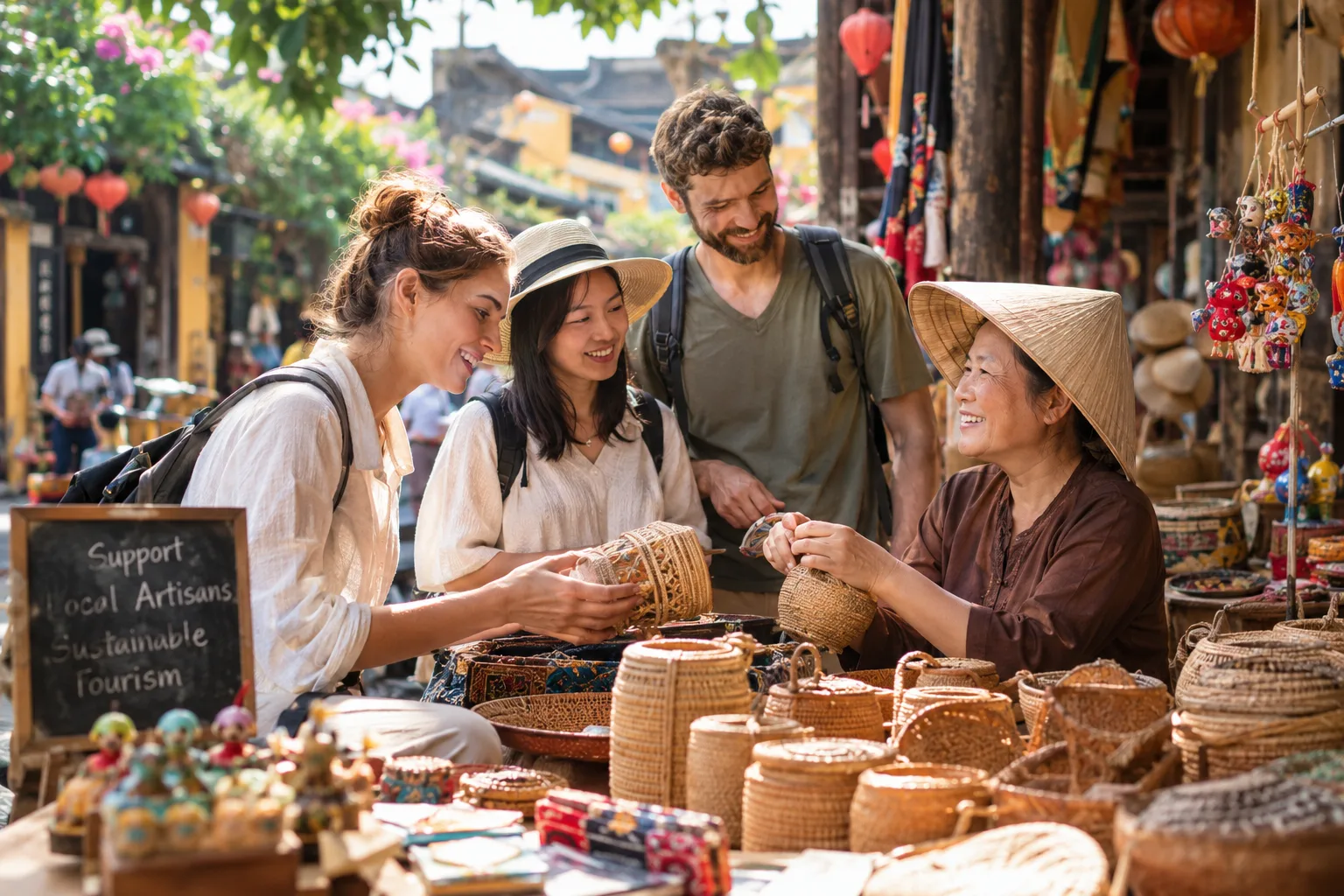
“Scenic tourism can create employment opportunities in areas where other economic options may be limited. Local residents can work as tour guides, operate homestays, sell traditional handicrafts, or provide transport services. Tourism can also encourage the preservation of local culture because visitors may be interested in traditional food, architecture, and customs. However, the benefits need to be distributed fairly. If most of the profits go to large outside companies while local residents bear the environmental costs, tourism may ultimately do more harm than good.”
Question 7: Do you think social media has changed the way people visit scenic places?
“Yes, significantly. Social media makes it easier for people to discover beautiful destinations that they might never have heard of otherwise. Attractive photographs and travel videos can encourage people to explore new places. However, this can also create problems when a destination suddenly becomes popular because of a viral post. Some visitors may focus more on taking photographs for social media than on appreciating the landscape itself. In extreme cases, overcrowding can damage fragile environments. I think travel content creators should promote responsible behaviour rather than simply encouraging people to visit the most photogenic locations.”
Question 8: Is it better to develop scenic areas for tourism or leave them untouched?
“I don’t think there is a single answer that applies to every location. In some areas, carefully managed tourism can provide income for local communities and help fund conservation. However, particularly fragile ecosystems may need strict protection from human activity. The key is to assess the ecological value and carrying capacity of each area before allowing development. Rather than maximising visitor numbers, authorities should focus on creating sustainable tourism opportunities that protect the environment in the long term.”
Question 9: How can individuals help protect the natural environment when travelling?
“Individuals can make a difference through relatively simple actions. For example, they can avoid littering, carry reusable water bottles, stay on designated hiking trails, and avoid disturbing wildlife. They can also choose locally owned businesses that follow environmentally responsible practices. Another important step is to respect local regulations, even when there is no one around to enforce them. Ultimately, responsible tourism means recognising that beautiful landscapes are not merely attractions for our enjoyment; they are ecosystems that need to be protected.”
Question 10: Do you think future generations will have fewer opportunities to enjoy beautiful natural scenery?
“I’m somewhat concerned that they might, particularly if environmental degradation and climate change continue at their current pace. Deforestation, pollution, and poorly planned urban development are already affecting many natural landscapes. Some ecosystems may take decades or even centuries to recover once they have been seriously damaged. However, I don’t think the situation is entirely hopeless. If governments introduce effective conservation policies and individuals adopt more sustainable habits, we can still protect many natural areas. The important thing is to act before the damage becomes irreversible.”
Chủ đề Scenery đòi hỏi sự linh hoạt trong việc kết hợp các tính từ miêu tả hình ảnh và cụm động từ thể hiện cảm nhận cá nhân. Bằng việc nắm vững bộ từ vựng và cấu trúc lập luận trên, bạn hoàn toàn có thể biến một cảnh quan quen thuộc thành một bức tranh ngôn từ sống động trước mắt giám khảo. Trung tâm Ngoại ngữ ECE chúc các bạn ôn luyện hiệu quả và tự tin chinh phục mục tiêu IELTS của mình!








 Khai giảng Khóa học Hè cực HOT.

Chưa có bình luận nào!