
IELTS Speaking topic Neighborhood: Từ vựng kèm bài mẫu chi tiết



Tóm Tắt Nội Dung Bài Viết
IELTS Speaking topic Neighborhood: Từ vựng kèm bài mẫu chi tiết


Tóm Tắt Nội Dung Bài Viết
Bạn có cảm thấy lúng túng khi phải mô tả khu mình sống, hay so sánh các khu dân cư khác nhau? Đừng lo lắng! Trung tâm Ngoại ngữ ECE sẽ giúp bạn tự tin chinh phục chủ đề Neighborhood trong IELTS Speaking với bộ bài mẫu độc quyền.
Được biên soạn và tham vấn chuyên môn bởi cô Hoàng My – giáo viên 8.0 IELTS tại ECE, những bài mẫu này không chỉ cung cấp cho bạn những ý tưởng hay ho mà còn là kho tàng từ vựng và cách diễn đạt “ăn điểm”. Chúng tôi tin rằng, sau khi đọc kỹ, ghi chú lại những cụm từ đắt giá và luyện tập theo, bạn sẽ cảm thấy việc nói về khu dân cư của mình chưa bao giờ dễ dàng và trôi chảy đến thế!
Hãy cùng ECE khám phá ngay nhé!
IELTS Speaking topic neighborhood
PART 1
- Do you like your neighbors?
Yes, I genuinely appreciate my neighbors because they’re friendly and respectful of each other’s privacy. We occasionally have casual chats, which helps foster a sense of community. It’s comforting to know that people are considerate and approachable.
Highlighted vocabulary:
- appreciate (v): trân trọng, đánh giá cao
- foster (v): nuôi dưỡng, thúc đẩy
- considerate (a): ân cần, chu đáo
- Are your neighbors usually close to each other in your country?
In Vietnam, people in rural areas tend to be very close-knit, often helping each other out in times of need. In urban areas. However, relationships can be more distant due to busy lifestyles. Still, there’s usually a sense of solidarity during community events or emergencies.
Highlighted vocabulary:
- close-knit (a): gắn bó khăng khít
- solidarity (n): tinh thần đoàn kết
- emergencies (n): tình huống khẩn cấp
- What is your neighborhood like?
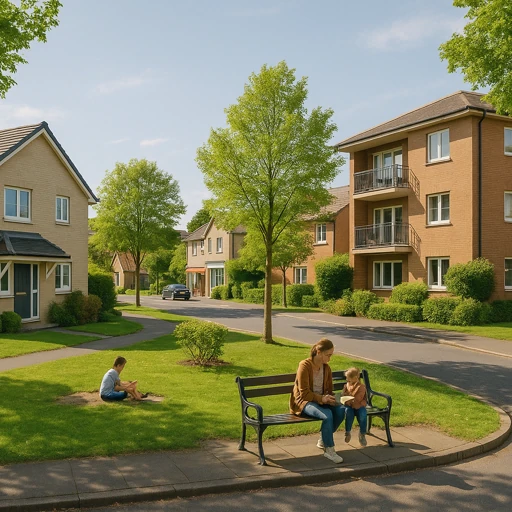
My neighborhood is relatively quiet and well-maintained, with plenty of green spaces and amenities nearby. It has a good balance of residential and commercial areas, which makes life convenient. I’d say it’s a safe and family-friendly environment overall.
Highlighted vocabulary:
- well-maintained (a): được bảo trì tốt
- amenities (n): tiện nghi
- residential (a): thuộc khu dân cư
- How can neighbors be helpful?
Neighbors can be incredibly helpful in emergencies or when you need a small favor, like watering plants while you’re away. They can also keep an eye out for suspicious activity, which enhances security. In my opinion, a supportive neighborhood can make daily life much less stressful.
Highlighted vocabulary:
- emergencies (n): tình huống khẩn cấp
- suspicious (a): khả nghi
- supportive (a): hay giúp đỡ, ủng hộ
- Do you think your neighborhood is a good place for children?
Absolutely. It’s safe with low traffic and plenty of green spaces where kids can play freely. There are also reputable schools and playgrounds within walking distance. Such an environment definitely nurtures children’s development.
Highlighted vocabulary:
- low traffic (n): ít xe cộ
- reputable (a): có uy tín
- nurtures (v): nuôi dưỡng, chăm sóc
- What facilities are available in your neighborhood?
My neighborhood has a good range of facilities, including a community center, sports courts, and a public library. There are also various shops and cafes that add to its vibrancy. I think these amenities contribute a lot to our quality of life.
Highlighted vocabulary:
- community center (n): trung tâm sinh hoạt cộng đồng
- vibrancy (n): sự sôi động, đầy sức sống
- amenities (n): tiện nghi
- How could your neighborhood be improved?
I think it could be improved by adding more green spaces and better waste management systems. More recreational areas would encourage people to spend time outdoors and socialize. Additionally, enhancing public transport would make commuting more convenient.
Highlighted vocabulary:
- waste management (n): quản lý rác thải
- recreational (a): thuộc về giải trí
- commuting (n): việc đi lại
- Do you think it is important to have a good relationship with your neighbors?
Definitely, having a good rapport with neighbors builds trust and a sense of belonging. It’s reassuring to know you can rely on each other in tough times. Strong neighborly ties also contribute to a harmonious living environment.
Highlighted vocabulary:
- rapport (n): mối quan hệ tốt, hòa hợp
- reassuring (a): làm yên tâm
- harmonious (a): hòa thuận, hài hòa
PART 2
Describe an interesting neighbor.
You should say:
- Who this person is
- How you know this person
- What this person likes to do
And explain why you think this neighbor is interesting.
***
I’d like to talk about my neighbor, Cô Mai, who I think is one of the most interesting people in my neighbourhood. She’s around 65 years old and has lived next door to my family for as long as I can remember.
I got to know her really well during the pandemic, when everyone had to stay home and we started chatting more often over the fence. Before that, I only knew her as the friendly lady who sold homemade sticky rice and bánh cuốn every morning at the small market near our house.
One thing that makes her so fascinating is how resourceful and warm-hearted she is. Even though she’s retired now, she still wakes up at the crack of dawn to prepare breakfast for the neighbours, especially for students who leave early for school. She loves gardening too. Her tiny front yard is always full of herbs, chillies, and colourful flowers. She often shares homegrown vegetables or freshly cooked food with everyone on the street.
What really amazes me is her positive energy. She always has a big smile on her face and greets everyone kindly, no matter how busy she is. She even organises small charity drives to help low-income families in our ward. Thanks to her, our neighbourhood feels more like an extended family.
I find her inspiring because she reminds me that living a simple life but caring for people around you can make a huge difference. Every time I see her, I feel grateful that we have such a generous and warm neighbor who brings everyone closer together.
Highlighted Vocab
- as long as I can remember (phrase): lâu nhất mà tôi có thể nhớ được
- over the fence (phrase): qua hàng rào (cách nói gần gũi)
- resourceful (a): tháo vát
- at the crack of dawn (idiom): sáng sớm tinh mơ
- charity drives (n): hoạt động quyên góp từ thiện
- low-income families (n): gia đình thu nhập thấp
- extended family (n): đại gia đình
- brings everyone closer together (phrase): gắn kết mọi người lại với nhau
Một vài ghi chú cho các bạn khi luyện tập
- Chọn câu chuyện thực tế, gần gũi với cuộc sống Việt Nam: hàng xóm hay chia sẻ đồ ăn, giúp đỡ, thân thiện.
2. Nói đủ: người đó là ai ➜ quen thế nào ➜ thích làm gì ➜ vì sao đặc biệt.
3. Dùng chi tiết cụ thể: món ăn Việt, chợ gần nhà, sân vườn nhỏ.
4. Thêm cảm xúc: I feel grateful, She inspires me, She makes our area feel like a family.
5. Sử dụng các cụm nối tự nhiên: Before that, Since then, Besides, What amazes me is…
Gợi ý công thức mở rộng nâng cao
- Mở bài ➜ Kể tình huống gắn bó ➜ Mô tả điểm đặc biệt (thói quen, sở thích) ➜ Phân tích ảnh hưởng ➜ Bài học hoặc cảm xúc.
2. Dùng collocations gần gũi: share homemade food, organise charity drives, keep a tiny garden, spread positive energy.
3. Tận dụng ngữ pháp đa dạng: mệnh đề quan hệ (who I think is…), câu điều kiện (If she didn’t live next door, our street wouldn’t feel so warm.), mệnh đề phân từ (Having lived next to her for years, I really admire her.).
PART 3
1. Do you think neighbours are important?
Sample Answer:
Yes, I strongly believe that neighbours play a vital role in our daily lives, especially in fostering a sense of community and security. Having good neighbours means you have people nearby who can lend a helping hand in emergencies or simply look out for your property when you’re away. They can also become trusted friends who offer emotional support and companionship, which is particularly valuable for the elderly or people living alone.
Highlighted Vocabulary:
- foster (v): thúc đẩy, nuôi dưỡng
- sense of community (n): cảm giác cộng đồng
- lend a helping hand (idiom): giúp đỡ
- look out for (phr v): trông nom, để ý
- companionship (n): tình bạn đồng hành
2. What are the qualities of a good neighbour?
Sample Answer:
A good neighbour, in my opinion, should be respectful and considerate of others’ privacy and noise levels. They should understand that living in close proximity requires compromises to maintain harmony. Another important quality is being approachable and willing to offer support when needed, such as watering plants or feeding the animals during vacations. Small gestures like these can build trust and create a friendly atmosphere in the neighbourhood. Essentially, a good neighbour strikes a balance between being helpful and minding their own business.
Highlighted Vocabulary:
- respectful (a): tôn trọng
- considerate (a): ân cần, chu đáo
- proximity (n): sự gần gũi
- compromise (n): sự thỏa hiệp
- approachable (a): dễ gần
- gesture (n): cử chỉ, hành động nhỏ
- strike a balance (idiom): cân bằng
3. Now that most people use technology in communicating with others, how do you think this has affected people’s relationships with their neighbours?
Sample Answer:
I think the widespread use of technology has made people more connected globally but often less engaged with those living next door. Many people prefer to interact through social media or messaging apps rather than having face-to-face conversations with neighbours. This can lead to a sense of isolation within communities and weaken neighbourhood bonds. On the other hand, some neighbourhoods use online groups to share local updates, which can actually strengthen community ties if used wisely. So, technology can be both a barrier and a bridge depending on how it’s used.
Highlighted Vocabulary:
- widespread (a): rộng rãi
- engage (v): tham gia, kết nối
- face-to-face (a): trực tiếp
- isolation (n): sự cô lập
- bond (n): mối liên kết
- forum (n): diễn đàn
- barrier (n): rào cản
4. How should modern people communicate with their neighbours?
Sample Answer:
I think modern people should find a healthy balance between using digital tools and maintaining in-person interactions with their neighbours. For example, it’s practical to use group chats or neighbourhood apps for quick updates about security or local events. However, nothing can replace casual conversations in shared spaces like gardens or lobbies, which help build genuine rapport. Community gatherings or block parties are also excellent ways to strengthen relationships. Ultimately, it’s about combining convenience with real human connection.
Highlighted Vocabulary:
- healthy balance (n): sự cân bằng lành mạnh
- practical (a): thực tế
- shared spaces (n): không gian chung
- genuine (a): chân thật
- rapport (n): quan hệ thân thiết, hòa hợp
- block party (n): tiệc liên hoan khu phố
- convenience (n): sự tiện lợi
Hy vọng rằng những bài mẫu về chủ đề Neighborhood đã giúp bạn có thêm nhiều ý tưởng và chiến lược luyện thi hiệu quả. ECE English luôn sẵn lòng đồng hành cùng bạn. Nếu bạn có câu hỏi hoặc mong muốn được hỗ trợ thêm về bất kỳ chủ đề nào khác, hãy để lại phản hồi để chúng tôi có thể tiếp tục mang đến những nội dung chất lượng nhất. Chúc bạn gặt hái nhiều thành công!

Đoàn Nương
Tôi là Đoàn Nương - Giám đốc trung tâm ngoại ngữ ECE. Tôi hiện đang là giảng viên của khoa ngôn ngữ các nước nói tiếng Anh - Trường Đại Học Quốc Gia Hà Nội. Tôi đã có 19 năm kinh nghiệm giảng dạy IELTS và 15 năm là giảng viên Đại Học. Tôi mong muốn đưa ECE trở thành trung tâm ngoại ngữ cho tất cả mọi người, mang tới cho học viên môi trường học tập tiếng Anh chuyên nghiệp và hiệu quả.
Tìm hiểu các khóa học tại ECE
Tin Tức Cùng Danh Mục
The Concept of Childhood in Western Countries IELTS Reading: Dịch & giải chi tiết

The Magic of Kefir IELTS Reading: Dịch bài đọc & đáp án chuẩn

The Columbian Exchange IELTS Reading: Dịch & giải chi tiết A-Z

Giải mã bài đọc: Complementary & alternative medicine IELTS Reading

Stadium Australia IELTS Reading: Giải chi tiết & Dịch nghĩa
Các tin liên quan
The Concept of Childhood in Western Countries IELTS Reading: Dịch & giải chi tiết
The Magic of Kefir IELTS Reading: Dịch bài đọc & đáp án chuẩn
The Columbian Exchange IELTS Reading: Dịch & giải chi tiết A-Z
Giải mã bài đọc: Complementary & alternative medicine IELTS Reading
Stadium Australia IELTS Reading: Giải chi tiết & Dịch nghĩa

Television and Sport IELTS Reading: Dịch chuẩn & Giải đề chi tiết

The Invention of Television IELTS Reading: Từ vựng & đáp án chuẩn
Frogwatch IELTS Reading: Bài dịch & đáp án chuẩn nhất
Consecutive and Simultaneous Translation IELTS Reading: Dịch chuẩn & Giải chi tiết

Fears IELTS Reading: Bản dịch chuẩn & giải chi tiết từ A-Z
Memory and Age IELTS Reading: Dịch chuẩn & Giải chi tiết
Đáp án & từ vựng bài đọc Photovoltaics on the rooftop IELTS Reading




Lượt Đăng Ký

NHẬN TƯ VẤN NGAY
Vui lòng để lại thông tin để được tư vấn chi tiết lộ trình học và thi IELTS ở trên
