
Từ vựng và bài mẫu IELTS Speaking topic Memory chi tiết


Tóm Tắt Nội Dung Bài Viết
Từ vựng và bài mẫu IELTS Speaking topic Memory chi tiết


Tóm Tắt Nội Dung Bài Viết
Chủ đề Memory (Ký ức) trong IELTS Speaking thường khiến thí sinh lúng túng vì khó diễn đạt được những cảm xúc chân thực và sự hoài niệm bằng tiếng Anh. Trong bài viết này, cô Nguyễn Thị An Quyên sẽ cung cấp cho bạn bộ từ vựng “ăn điểm” và các câu trả lời chi tiết. Hãy cùng tham khảo cách xử lý trọn vẹn chủ đề này từ Part 1 đến Part 3 nhé!
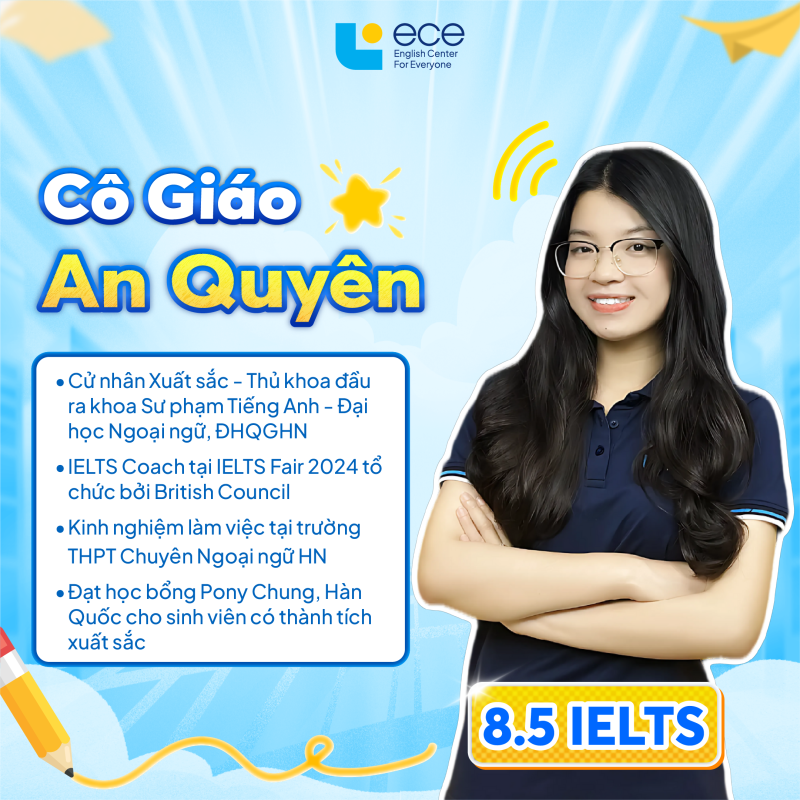
Cô An Quyên – Giáo viên 8.5 IELTS tại trung tâm ngoại ngữ ECE
Gợi ý từ vựng & cấu trúc hay cho topic Memory
Để câu trả lời có chiều sâu, bạn hãy thay thế từ “remember” bằng các cụm từ miêu tả chi tiết mức độ ghi nhớ và cảm xúc dưới đây.
a. Từ vựng mô tả loại ký ức (Types of memories)
-
Childhood memory: Ký ức tuổi thơ
-
Vivid memory: Ký ức sống động (nhớ rất rõ)
-
Distant memory: Ký ức xa xăm (nhớ không rõ ràng)
-
Fond memory: Kỷ niệm đẹp
-
Bitter memory: Ký ức cay đắng
-
Unforgettable experience: Trải nghiệm khó quên
-
Milestone: Cột mốc quan trọng
-
Turning point: Bước ngoặt
b. Từ vựng mô tả mức độ nhớ (Levels of remembering)
-
Recall: Nhớ lại
-
Reflect on: Suy ngẫm về
-
Reminisce about: Hoài niệm về (thường mang cảm giác vui vẻ, luyến tiếc)
-
Slip one’s mind: Quên mất, quên khuấy đi
-
Jog someone’s memory: Gợi lại ký ức cho ai đó
-
Have a vague memory of: Nhớ mang máng về
-
Etched in my mind: In sâu trong tâm trí
c. Từ vựng về cảm xúc & tác động (Emotions & Impacts)
-
Nostalgic: Gợi hoài niệm
-
Heartwarming: Ấm lòng
-
Overwhelming: Choáng ngợp (về mặt cảm xúc)
-
Emotionally intense: Mãnh liệt về mặt cảm xúc
-
Shape one’s personality: Định hình tính cách
-
Leave a lasting impression on: Để lại ấn tượng lâu dài
-
Learn a valuable lesson: Học được bài học quý giá
d. Cụm từ “ăn điểm” (High-scoring phrases)
-
I still remember it vividly…: Tôi vẫn nhớ nó một cách sống động…
-
It feels like it happened yesterday…: Cảm giác như nó mới xảy ra ngày hôm qua…
-
Looking back, I realize that…: Nhìn lại, tôi nhận ra rằng…
-
That experience changed the way I see…: Trải nghiệm đó đã thay đổi cách tôi nhìn nhận…
-
It holds a special place in my memory: Nó giữ một vị trí đặc biệt trong ký ức của tôi.
-
It was a bittersweet moment: Đó là một khoảnh khắc buồn vui lẫn lộn.
Bài mẫu IELTS Speaking Part 1 topic Memory
Trong Part 1, hãy trả lời thẳng vào câu hỏi, đưa ra lý do ngắn gọn và sử dụng 1-2 từ vựng miêu tả mức độ ghi nhớ.
1. Do you have a good memory?
I’d say my memory is fairly reliable when it comes to meaningful events, but I tend to forget trivial details like where I put my keys. If something is emotionally significant, it’s usually etched in my mind for years.
2. Are you good at remembering names?
Honestly, not really. I often remember faces but forget names, especially if I only meet someone once. It usually takes a few interactions for the name to stick (đọng lại/nhớ được).
3. What kind of things do you often forget?
Mostly small daily tasks, like replying to a message or buying something I planned to get. If I don’t write it down, it can easily slip my mind.
4. Do you like to take photos to remember things?
Yes, but I try not to rely on photos too much. Sometimes I feel that constantly taking pictures prevents me from fully experiencing the moment.
Bài mẫu IELTS Speaking Part 2 topic memory
Đề bài: Describe a special memory from your childhood. You should say:
-
What the memory is
-
When it happened
-
Who was involved
-
And explain why it is special to you
Sample Answer:
I’d like to talk about a childhood memory that still feels incredibly vivid to me. It was the first time I won a school competition when I was about eight years old, and even now, it feels like it happened yesterday.
The event was a storytelling contest held at my primary school. I had spent weeks preparing for it with my mother, practicing every evening after dinner. She helped me adjust my pronunciation, facial expressions, and even my gestures so that the story would feel more engaging. At first, I only joined the competition because my teacher encouraged me to, but gradually I became emotionally invested in it.
On the day of the contest, I was extremely nervous. My hands were shaking as I stood on stage, and I could barely make eye contact with the audience. However, once I started speaking, I slowly gained confidence and became immersed in the story. It was as if the fear faded away, and I was simply enjoying the moment.
When the results were announced and my name was called, I was completely overwhelmed. I remember scanning the crowd and seeing how proud my mother looked, which made the achievement even more meaningful.
Looking back, I realize it was far more than just winning a prize. It was the first time I truly believed in my own ability. That experience laid the foundation for my self-confidence and motivated me to take on new challenges later in life. It holds a special place in my memory because it marked the beginning of my self-belief and resilience.
Bài mẫu IELTS Speaking Part 3 topic memory
Ở Part 3, các câu hỏi thường mang tính vĩ mô về tâm lý và xã hội. Bạn cần đưa ra lập luận đa chiều và giải thích cặn kẽ.
1. Why do some memories stay in our minds for a long time?
I believe memories that are linked to strong emotions tend to last much longer than ordinary ones. When we experience intense happiness, fear, embarrassment, or even heartbreak, our brain processes the event more deeply. As a result, the memory becomes more vivid and easier to recall. In addition, “first-time” experiences, such as a first achievement or a major failure, often leave a lasting impression because they mark important milestones in our lives. Another factor is repetition; if we frequently think about or talk about a certain event, we reinforce it in our mind. Interestingly, even negative memories can stay with us for years because they carry powerful emotional weight. In short, emotional intensity and personal significance are key reasons why some memories never really fade.
2. Is it important to remember the past?
Yes, I think remembering the past plays a crucial role in shaping who we are today. Our past experiences teach us valuable lessons and help us avoid repeating the same mistakes. They also allow us to reflect on how much we have grown over time, which can be quite motivating. However, I believe it’s important to strike a balance. If people dwell too much on painful memories, it can negatively affect their mental health and prevent them from moving forward. On the other hand, completely ignoring the past may lead to a lack of self-awareness. Therefore, I would say the past should serve as a guide, not a prison.
3. Do you think modern technology affects our memory?
Yes, modern technology has significantly changed the way we remember things. On the positive side, devices such as smartphones allow us to store photos, videos, and notes, which helps preserve important moments. However, this convenience can also make us overly dependent on technology. Many people no longer memorize phone numbers or important dates because they rely entirely on digital reminders. Over time, this habit may weaken our natural ability to recall information. Moreover, constantly documenting experiences through a camera might prevent us from fully immersing ourselves in the present moment. In my opinion, technology should be used as a support tool rather than a replacement for our cognitive abilities.
4. Why do older people often talk about the past?
I think older people tend to talk about the past because it represents a significant part of their identity. As people age, they may experience fewer new milestones, so they naturally revisit earlier memories that shaped their lives. Reminiscing can also provide comfort and emotional stability, especially during retirement when daily routines become less demanding. In addition, sharing memories allows them to pass down life lessons and family history to younger generations. It can strengthen family bonds and create a sense of continuity between generations. Sometimes, talking about the past also helps them feel valued and listened to. In that sense, reminiscing is not just nostalgia – it’s a way of preserving personal legacy.
Tóm lại, để xử lý tốt chủ đề Memory, bạn không cần phải có một trí nhớ hoàn hảo, mà cần biết cách sử dụng linh hoạt các từ vựng miêu tả mức độ ghi nhớ và cảm xúc cá nhân. Hãy ghi chép lại những cụm từ “đắt giá” như slip my mind hay etched in my mind và áp dụng ngay vào quá trình luyện tập. Chúc các bạn ôn thi hiệu quả và đạt kết quả cao cùng ECE!

Đoàn Nương
Tôi là Đoàn Nương - Giám đốc trung tâm ngoại ngữ ECE. Tôi hiện đang là giảng viên của khoa ngôn ngữ các nước nói tiếng Anh - Trường Đại Học Quốc Gia Hà Nội. Tôi đã có 19 năm kinh nghiệm giảng dạy IELTS và 15 năm là giảng viên Đại Học. Tôi mong muốn đưa ECE trở thành trung tâm ngoại ngữ cho tất cả mọi người, mang tới cho học viên môi trường học tập tiếng Anh chuyên nghiệp và hiệu quả.
Tìm hiểu các khóa học tại ECE
Tin Tức Cùng Danh Mục
IELTS Speaking topic chocolate: Từ vựng & bài mẫu part 1, 2, 3

IELTS Speaking topic building: Từ vựng, bài mẫu part 1, 2, 3

IELTS Speaking topic Flowers: Từ vựng & bài mẫu chuẩn 3 part

Company Innovation IELTS Reading: Từ vựng & đáp án chuẩn
Willpower IELTS Reading – Từ vựng & đáp án chuẩn
Các tin liên quan
IELTS Speaking topic chocolate: Từ vựng & bài mẫu part 1, 2, 3
IELTS Speaking topic building: Từ vựng, bài mẫu part 1, 2, 3
IELTS Speaking topic Flowers: Từ vựng & bài mẫu chuẩn 3 part
Company Innovation IELTS Reading: Từ vựng & đáp án chuẩn
Willpower IELTS Reading – Từ vựng & đáp án chuẩn

Giải mã bài đọc Making time for science IELTS Reading chi tiết A – Z

The Great Fire of London IELTS Reading: Từ vựng & đáp án chi tiết

Antibiotic Resistance IELTS Reading – Bài đọc IELTS về kháng kháng sinh

Giải mã bài đọc Just Relax IELTS Reading về bí ẩn thuật thôi miên

Spider silk IELTS Reading: Dịch bài đọc & đáp án chi tiết

Knowledge in Medicine IELTS Reading – Từ vựng & đáp án chuẩn

Angkor Wat IELTS Reading Answers – Bài đọc về ngôi đền Angkor Wat




Lượt Đăng Ký

NHẬN TƯ VẤN NGAY
Vui lòng để lại thông tin để được tư vấn chi tiết lộ trình học và thi IELTS ở trên
