


Tóm Tắt Nội Dung Bài Viết
“Weekend” (Cuối tuần) là một trong những chủ đề quen thuộc trong IELTS Speaking. Đây là một chủ đề tưởng chừng như rất dễ vì ai cũng có ngày nghỉ cuối tuần, nhưng chính vì thế mà nhiều thí sinh thường bị “mắc kẹt” trong những câu trả lời nhàm chán như “I usually sleep” hay “I go out with my friends”.
Để gây ấn tượng với giám khảo và bứt phá lên band điểm cao, bạn cần biết cách sử dụng các cụm từ (collocations) miêu tả sự thư giãn, cân bằng cuộc sống và thói quen giải trí một cách tự nhiên. Trong bài viết này, cô Nguyễn Mai Hương (Giáo viên IELTS 8.5 tại Trung tâm Ngoại ngữ ECE) sẽ cung cấp cho bạn trọn bộ từ vựng “ăn điểm” và bài mẫu xuất sắc cho cả 3 phần thi nhé!

Gợi ý từ vựng & cụm từ ăn điểm topic weekend
Để bài nói mượt mà và mang đậm phong cách người bản xứ, hãy phân loại và ghi nhớ các cụm từ theo 3 nhóm chủ đề sau:
Nhóm từ về nghỉ ngơi & phục hồi năng lượng
| Cụm từ (Collocations) | Ý nghĩa |
| Recharge one’s batteries | Nạp lại năng lượng (sau một tuần làm việc mệt mỏi) |
| Have a lie-in | Ngủ nướng (ngủ nướng thêm một chút vào buổi sáng) |
| Switch off from work | Ngừng nghĩ đến công việc, thư giãn hoàn toàn |
| A well-deserved break | Một kỳ nghỉ/phút giây nghỉ ngơi xứng đáng |
| A change of scenery | Sự thay đổi không khí, môi trường (đi ra ngoài) |
Nhóm từ về hoạt động & Sở thích
| Cụm từ (Collocations) | Ý nghĩa |
| Catch up with friends | Gặp gỡ, hàn huyên, cập nhật tình hình với bạn bè |
| Run errands | Làm các việc vặt cần thiết (đi chợ, ngân hàng, dọn dẹp…) |
| Indulge in a hobby | Đắm mình vào một sở thích cá nhân |
| Hit the gym | Đến phòng tập gym |
| Binge-watch a series | Cày phim (xem liên tục nhiều tập phim một lúc) |
| Quality time | Thời gian chất lượng (dành cho gia đình/bạn bè) |
Nhóm từ về quản lý thời gian & Cân bằng
| Cụm từ (Collocations) | Ý nghĩa |
| Have a packed schedule | Có lịch trình dày đặc, bận rộn |
| Make the most of one’s free time | Tận dụng tối đa thời gian rảnh rỗi |
| Balance work and leisure | Cân bằng giữa công việc và giải trí |
| The weekend flies by | Cuối tuần trôi qua rất nhanh (vèo một cái đã hết) |
Bài mẫu IELTS Speaking Part 1 topic: Weekend
Ở Part 1, hãy trả lời linh hoạt, kết hợp giữa các hoạt động (ở nhà/đi chơi) và cảm xúc (thư giãn/mệt mỏi).
Question 1: What do you usually do at the weekends?
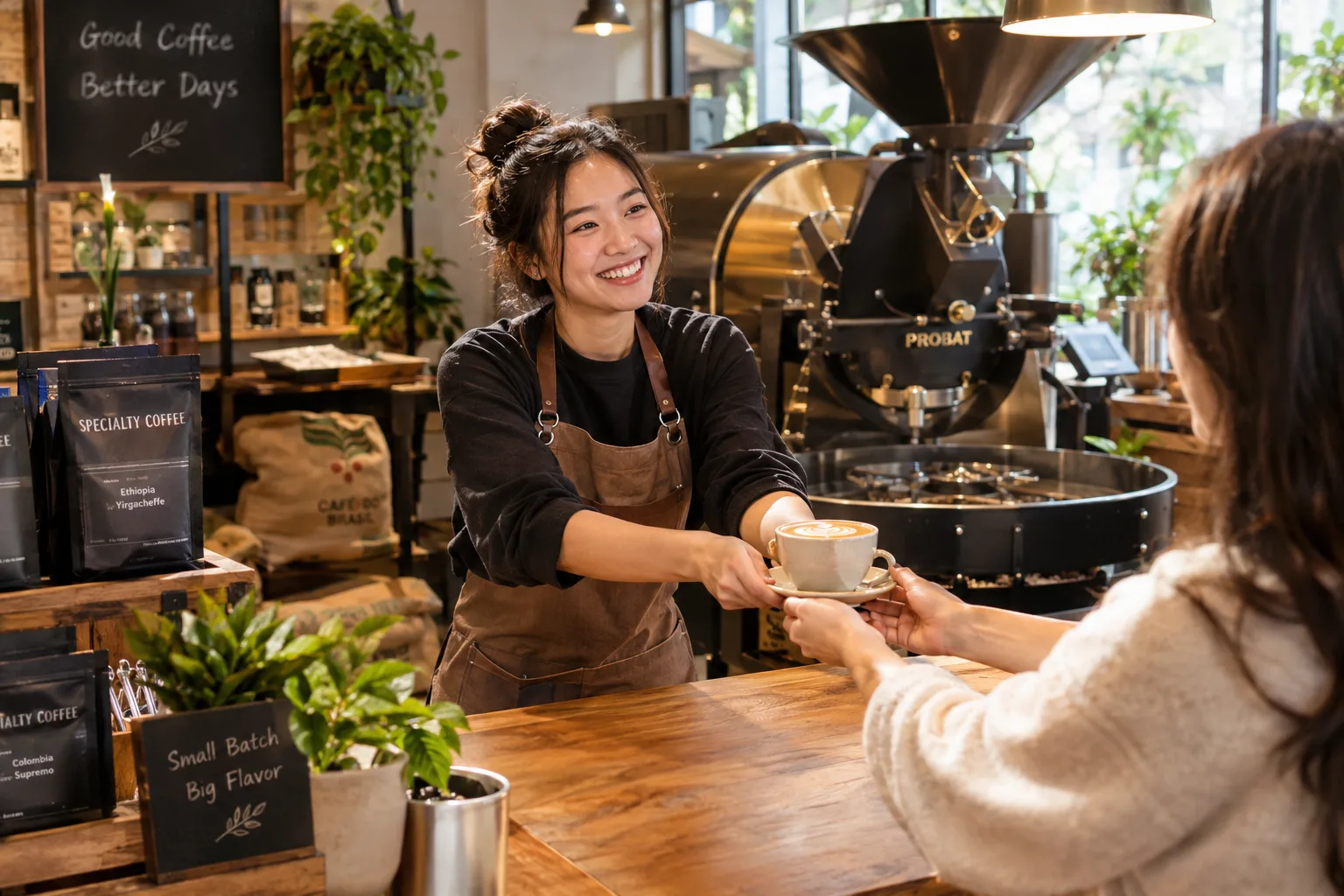
Sample: It really depends on how tired I am after the week. If I’ve had a particularly hectic week, I tend to have a lie-in on Saturday morning and just switch off from work completely. On Sundays, I usually catch up with friends over coffee or indulge in a hobby like reading or cooking. I try to make the most of my free time without overscheduling myself.
Question 2: Do you prefer to stay at home or go out at the weekends?
Sample: Honestly, a mix of both. I enjoy going out for a change of scenery like visiting a café, exploring a new neighbourhood, or hitting the gym. But I also value having quiet time at home to recharge my batteries. I think the best weekends are ones where I strike a balance between the two.
Question 3: Do you think weekends are long enough?
Sample: Never, if I’m being honest! The weekend always flies by so quickly. By the time I’ve run a few errands, caught up on sleep, and spent some quality time with family, it’s already Sunday evening. I think two days is rarely enough to truly rest and pursue personal interests alongside all the practical things that need to get done.
Question 4: Do you ever work or study at the weekends?
Sample: Occasionally, yes, though I try to avoid it. Sometimes deadlines leave me no choice, but I genuinely believe it’s important to have a well-deserved break from work. When I do end up working on weekends, I find the following week much harder to get through – I’m more tired and less motivated. So I try to protect my weekends as much as possible.
Bài mẫu IELTS Speaking Part 2
Đề bài: Describe what you usually do at the weekends.
You should say:
-
What you do
-
Who you spend time with
-
Where you usually go
-
And explain why you enjoy spending your weekends this way.
Sample Answer:
I’d like to talk about how I typically spend my Sundays, which is the day I look forward to the most after a long working week.
My Sunday usually starts slowly, and I allow myself a lie-in, which is something I rarely get to do on weekdays. Once I’m up, I’ll make a proper breakfast at home rather than rushing through a meal, which already sets a completely different tone from the rest of the week. It’s one of the small pleasures I genuinely look forward to.
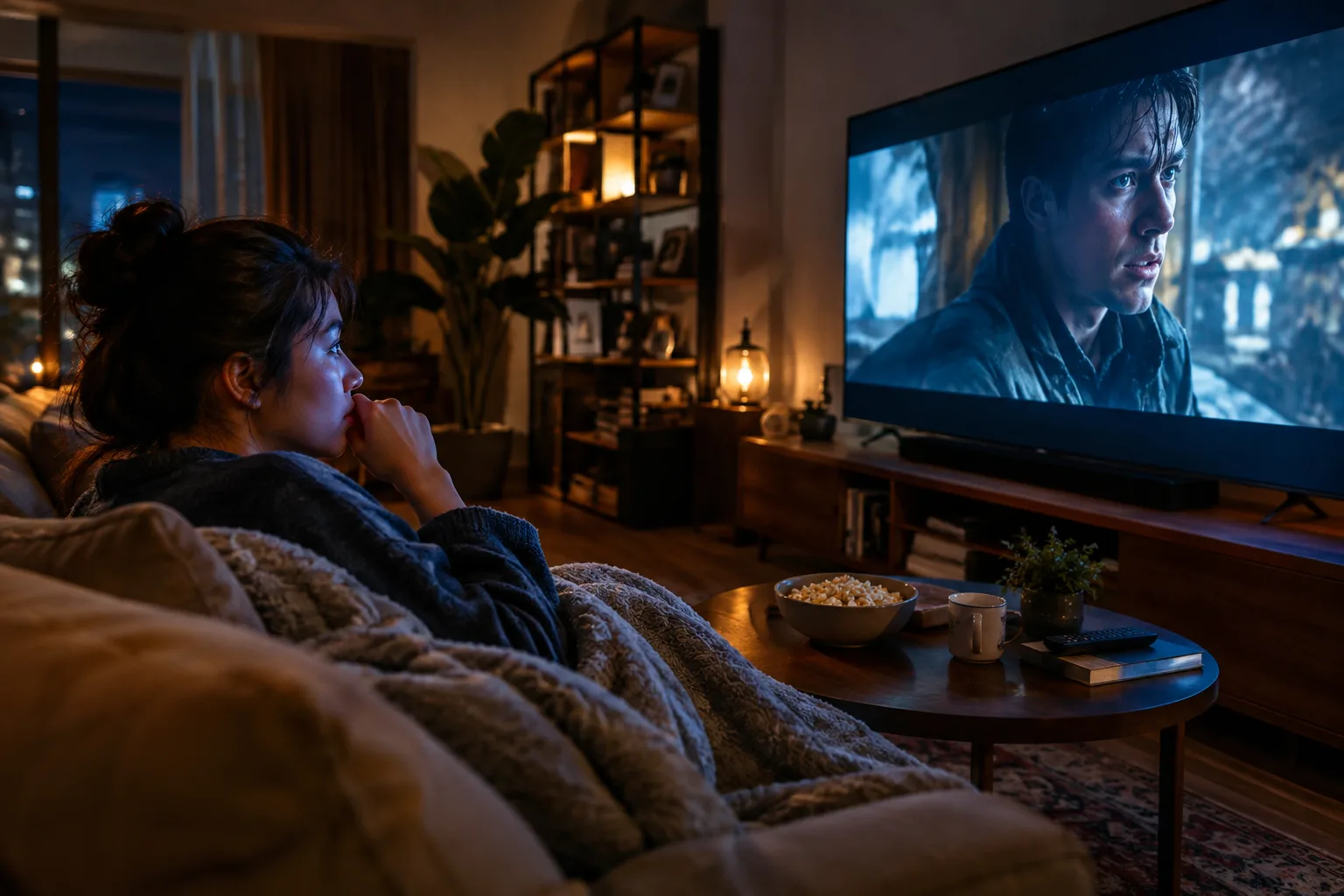
In the afternoon, I usually catch up with a close friend or two, either at a café we enjoy or somewhere with a nice change of scenery, like a park or a bookshop. We’ll talk for hours about everything from work to travel plans to things we’ve been reading or watching. Sometimes we’ll binge-watch a series together in the evening if neither of us has other plans. Occasionally, I’ll also hit the gym in the morning if I have the energy, as it sets me up well for the rest of the day.
The reason I enjoy spending my weekends this way is that it strikes the right balance between rest and social connection. After a week of deadlines and meetings, I genuinely need time to switch off from work and simply enjoy being present. Spending quality time with people I care about, without any agenda or time pressure, is what truly helps me recharge my batteries. By Sunday evening, I feel ready to face the new week again, and I think that’s exactly what a well-deserved break should do.
Bài mẫu IELTS Speaking Part 3 – Leisure Time & Lifestyle
Ở Part 3, câu hỏi sẽ mang tính vĩ mô, yêu cầu bạn so sánh các thế hệ và đánh giá tầm quan trọng của việc cân bằng cuộc sống.
Question 1: Do you think people today have enough leisure time?
Sample: Honestly, I don’t think many people do. Most working adults have such a packed schedule throughout the week that weekends often get filled with errands, household chores, and catching up on sleep rather than genuine leisure. It’s ironic because despite all the technology designed to save us time, people seem busier than ever. I think many people struggle to truly balance work and leisure, which has real consequences for both mental health and productivity.
Question 2: How do younger and older generations spend their weekends differently?
Sample: There’s quite a noticeable difference. Younger people tend to be more socially driven – they’ll go out, attend events, or spend time binge-watching content online. Older generations often prefer quieter, more domestic activities like gardening, cooking, or spending quality time with family at home. That said, I think what both groups share is the desire to switch off from responsibilities and make the most of their free time, even if the way they do it looks very different.
Question 3: Do you think it is important to have a work-life balance?
Sample: Absolutely, and I’d argue it’s one of the most underrated aspects of a healthy and productive life. When people don’t have enough time to recharge their batteries and indulge in hobbies or relationships outside of work, burnout becomes almost inevitable. Research consistently shows that people who protect their leisure time are actually more focused and creative at work. So I think maintaining a genuine balance between work and leisure isn’t a luxury – it’s a necessity. Sadly, many workplaces still don’t recognize this, which I think needs to change.
Cuối tuần luôn là khoảnh khắc được mong đợi nhất, và việc miêu tả nó bằng tiếng Anh cũng cần sự thoải mái, tự nhiên như chính tính chất của nó vậy. Hãy lưu lại bộ collocations cực “chuẩn chỉnh” từ cô Nguyễn Mai Hương để bài thi Speaking của bạn không còn bị nhàm chán nhé.
Trung tâm Ngoại ngữ ECE luôn sẵn sàng đồng hành cùng bạn. Chúc các bạn ôn thi thật tốt và tự tin đạt band điểm mục tiêu!







 Khai giảng Khóa học Hè cực HOT.
Chưa có bình luận nào!