


Tóm Tắt Nội Dung Bài Viết
Trong bài thi IELTS Speaking, chủ đề Family (Gia đình) không chỉ là cơ hội để bạn kể về những người thân yêu mà còn là không gian tuyệt vời để phô diễn khả năng kiểm soát ngôn ngữ cảm xúc và tư duy xã hội học. Khác với các chủ đề mang tính học thuật khô khan, việc diễn đạt các mối quan hệ gia đình, sự gắn kết hay những xung đột thế hệ đòi hỏi một độ tinh tế nhất định trong cách dùng từ.
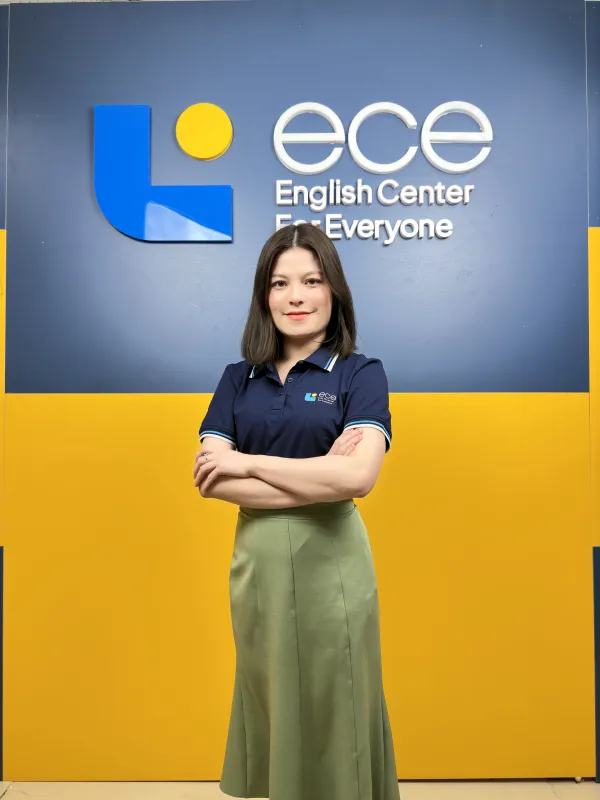
Để giúp các bạn học viên tự tin ghi điểm tuyệt đối, bài viết dưới đây được biên soạn và hoàn thiện chi tiết bởi cô Hoàng Thị Hồng Hạnh (Giáo viên IELTS 8.5 tại Trung tâm Ngoại ngữ ECE). Chúng ta sẽ cùng hệ thống lại các cụm từ “ăn điểm”, cấu trúc diễn đạt tự nhiên và phân tích trọn bộ bài mẫu cho cả 3 phần thi.
Bộ từ vựng & cấu trúc ghi điểm (Vocabulary & Structures)
Thay vì lặp lại những từ cơ bản như close, love, spend time, hãy nâng cấp câu trả lời của bạn bằng các collocations và idioms mang tính bản xứ cao dưới đây:
Nhóm từ vựng miêu tả mối quan hệ & Sự gắn kết
| Từ vựng / Cụm từ | Ý nghĩa tiếng Việt | Phân tích cách dùng thực tế |
| Tight-knit family (n) | Gia đình gắn kết, khăng khít | Tính từ ghép cực mạnh để miêu tả một gia đình luôn yêu thương, bảo vệ nhau. |
| Flesh and blood (idiom) | Giọt máu đào, người thân ruột thịt | Dùng để nhấn mạnh tình cảm máu mủ không thể thay thế. |
| Quality time (n) | Thời gian chất lượng | Thời gian dành trọn sự tập trung và quan tâm cho đối phương (không bị xao nhãng bởi công việc/điện thoại). |
| Family reunion / Gathering (n) | Sum họp, họp mặt gia đình | Dùng khi nói về các hoạt động cuối tuần hoặc dịp lễ tết. |
| To bond with someone (v) | Gắn kết, thắt chặt tình cảm | Thay thế cho từ “connect”. |
Nhóm từ vựng miêu tả hành động & Tương tác
| Từ vựng / Cụm từ | Ý nghĩa tiếng Việt | Phân tích cách dùng thực tế |
| To confide in someone (v) | Tâm sự, tin tưởng chia sẻ bí mật | Hành động thể hiện sự tin tưởng tuyệt đối giữa các thành viên. |
| To lend a sympathetic ear (v) | Lắng nghe một cách thấu hiểu | Miêu tả một người biết cảm thông, sẵn sàng lắng nghe khi bạn gặp khó khăn. |
| To take after someone (v) | Giống ai đó (ngoại hình/tính cách) | Phrasal verb quen thuộc nhưng luôn hiệu quả trong chủ đề miêu tả người. |
| Intergenerational conflict (n) | Xung đột giữa các thế hệ | Thuật ngữ xã hội học (Academic) rất tốt dùng cho Part 3. |
Bài mẫu IELTS Speaking Part 1: Family & Free Time
Ở Part 1, mục tiêu là đưa ra các câu trả lời chân thật, phản xạ nhanh và lồng ghép khéo léo 1-2 từ vựng nâng cao.
Question 1: Do you spend much time with your family?
“To be honest, with my current hectic work schedule, I don’t get as much time with my family as I’d like. However, I always make it a point to sit down with them for dinner every evening. I consider this quality time sacred, as it allows us to unwind and share our day with each other.”
Question 2: What do you usually do with your family members?
“We enjoy simple activities together. On weekends, we often host small family gatherings where we cook a nice meal and watch a comedy movie. During holidays, we occasionally take short road trips to recharge our batteries and bond with one another.”
Question 3: Do you prefer spending time with your family or your friends?
“Well, that’s a tough choice because both bring different kinds of joy into my life. Hanging out with friends is great for shooting the breeze and trying out new hobbies. However, at the end of the day, my family is my flesh and blood, so I feel a deeper sense of comfort and security when I’m around them.”
Bài mẫu IELTS Speaking Part 2: Tường thuật & Cảm xúc
Đề bài (Cue Card):
Describe a family member who you spend the most time with. You should say:
-
Who this person is
-
What you usually do together
-
What kind of person he/she is
-
And explain why you spend the most time with this person.
Sample Answer:
If I were to talk about the family member I spend the majority of my time with, it would undoubtedly be my younger sister.
Since we are only two years apart in age, we share a lot of common interests and have grown up as best friends rather than just siblings. Currently, both of us are living under the same roof while pursuing our careers in the city, so we naturally interact with each other on a daily basis.
In terms of activities, we do almost everything together—from doing household chores to going grocery shopping. On weekends, we love trying out new cafes in town or taking long evening walks to talk about our lives. Whenever I encounter setbacks at work, she is always there to lend a sympathetic ear and offer constructive advice.
My sister is an exceptionally warm-hearted, witty, and resilient person. What I admire most about her is her positive outlook on life, which never fails to lift my spirits when I feel overwhelmed.
I spend the most time with her because our personalities complement each other seamlessly. We come from a very tight-knit family, but among all my relatives, she is the one I feel most comfortable opening up to. She isn’t just my flesh and blood; she is truly my anchor and my soulmate.
Bài mẫu IELTS Speaking Part 3: Phân tích xã hội học
Question 1: How has the way family members spend time together changed compared to the past?
“In the past, family interactions were much more direct and frequent. Families would gather around the dinner table without distractions or engage in outdoor activities together. Nowadays, the proliferation of smartphones and personal screens has led to a situation where family members might be sitting in the same room, but each person is absorbed in their own digital world. This has unfortunately diluted the quality of family bonding.”
Question 2: What are the main causes of intergenerational conflicts in families?
“I believe intergenerational conflict mainly stems from differences in mindsets, values, and technological habits. Older generations often prioritize stability, traditional values, and face-to-face communication, whereas younger people tend to value independence, personal freedom, and digital connectivity. Without mutual empathy and open communication, these contrasting perspectives can easily lead to misunderstandings.”
Question 3: Is it better for young people to live with their parents or live independently?
“There are merits to both choices. Living with parents helps young adults save money and allows them to maintain close family ties while receiving emotional support. On the other hand, moving out fosters self-reliance, problem-solving skills, and personal responsibility. I believe it depends on an individual’s financial capability and maturity level, but stepping out of one’s comfort zone eventually helps a person grow faster.”
Sự kết hợp giữa một bộ từ vựng tự nhiên, cấu trúc phản biện logic ở Part 3 và cảm xúc chân thật ở Part 2 chính là công thức hoàn hảo để chinh phục giám khảo trong chủ đề Family. Đừng cố gắng nhồi nhét quá nhiều từ vựng phức tạp, hãy để ngôn ngữ trôi chảy như chính cách bạn tâm sự về những người thân yêu của mình. Trung tâm Ngoại ngữ ECE chúc các bạn ôn luyện hiệu quả và sớm đạt được band điểm mong muốn!











 Khai giảng Khóa học Hè cực HOT.
Chưa có bình luận nào!