


Tóm Tắt Nội Dung Bài Viết
From a bitter beverage of ancient civilizations to the sweet candy bars in our pockets today, chocolate has had a fascinating 3,000-year history. This IELTS reading passage, “The History of Chocolate,” takes us back in time to explore the key milestones of this journey. It is not only an engaging read but also a fantastic opportunity to practice your skimming and scanning skills for chronological information. Join ECE English as we uncover the secrets behind the world’s most beloved treat and conquer the questions that follow!
IELTS Reading: The History of Chocolate & Questions
Reading Passage
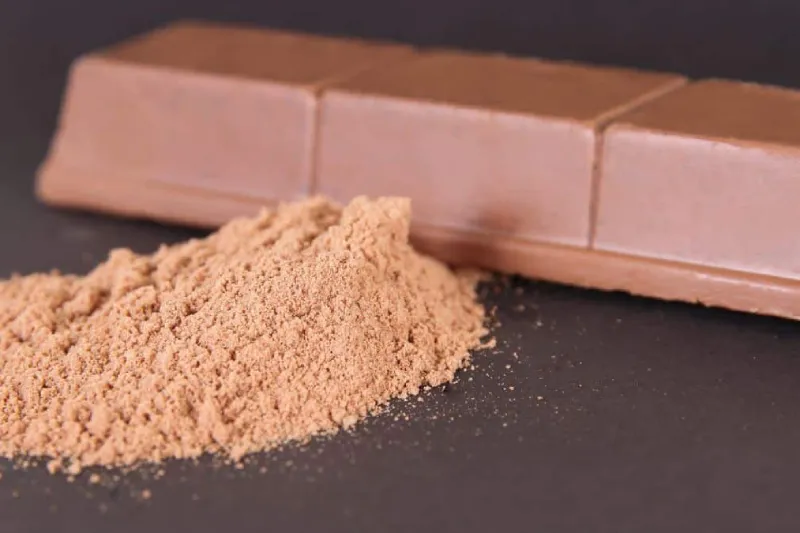
The history of chocolate began in Mesoamerica. Chocolate, the fermented, roasted, and ground beans of the Theobroma cacao, can be traced to the Mokaya and other pre-Olmec peoples, with evidence of cacao beverages dating back to 1900 BC. The cacao bean was a common currency throughout Mesoamerica before the Spanish conquest. The Mayans and Aztecs are the most well-known of the ancient chocolate lovers. The Mayans, in particular, cultivated cacao trees in their backyards and used the beans to make a frothy, bitter drink. The chocolate drink was consumed during marriage ceremonies and other rituals.
Chocolate was introduced to Europe by the Spanish. It remained a luxury item for the wealthy until the 19th century. The Spanish sweetened the bitter drink with cane sugar and cinnamon. The unsweetened chocolate was very strong and potent. It contained a chemical called theobromine, which is a stimulant similar to caffeine.
For a long time, the production of chocolate was a time-consuming, manual process. But in 1828, a Dutch chemist, Coenraad Johannes van Houten, invented the cocoa press, which mechanised the process. The press could separate the cocoa butter from the cacao beans, leaving a dry powder. This powder could then be mixed with liquids. Van Houten also added alkaline salts to the powder, which reduced its bitterness and made it mix more easily with water. The process became known as “Dutching”, and the resulting product was called cocoa.
The invention of the cocoa press was a turning point in the history of chocolate. It made the mass production of chocolate possible, which in turn made chocolate affordable for the general population. In 1847, a British chocolate company, Fry and Sons, created the first solid chocolate bar. The bar was a success, but it was still not to everyone’s taste as it was quite brittle and bitter.
In 1875, a Swiss chocolatier, Daniel Peter, invented milk chocolate. Peter had been trying for eight years to add milk to chocolate, but he had been unsuccessful because the water content of the milk caused the chocolate to seize up. It was only when he started using condensed milk that he was successful. The invention of milk chocolate was another major turning point in the history of chocolate. It made chocolate a much more popular food, and it is still the most popular type of chocolate today.
Cacao trees are small trees that grow in a humid climate. They are native to the tropical regions of the Americas. The trees produce large, pod-like fruits, which contain 20 to 60 beans. The beans are surrounded by a white, sweet pulp. The process of making chocolate from cacao beans is a long and complex one. It begins with the harvesting of the pods, which are then opened to remove the beans. The beans are then fermented for several days, which is when they develop their characteristic flavour and aroma. After fermentation, the beans are dried, cleaned, and roasted.
Questions
Questions 1-7 (True/False/Not Given)
- The Mokaya people were the first to consume chocolate.
- The Mayans used cacao beans as a form of payment.
- The Spanish explorers found the original chocolate drink too sweet.
- Van Houten’s invention made chocolate cheaper.
- The first solid chocolate bar was popular.
- Daniel Peter used fresh milk to make milk chocolate.
- Cacao beans are found inside the fruit of the tree.
Questions 8-14 (Short Answer Questions) Choose NO MORE THAN THREE WORDS AND/OR A NUMBER from the passage for each answer.
8. What chemical was found in cacao beans?
9. In which occasion were cacao beans and chocolate drinks consumed in Mayan society and other rituals?
10. What type of weather did small swarms of flies live in?
11. What ingredients were added with cacao powder in cooking chocolate?
12. What kind of people may buy new chocolate drinks, up to 1828?
13. When did Coenraad Johannes van Houten invent the cocoa press?
14. How did people feel about the bitter chocolate made by Fry and Sons in England?
Summary of the Reading
- Ancient Origins: The history of chocolate began with pre-Olmec civilizations in Mesoamerica. The Mayans cultivated cacao trees and created a bitter, frothy drink used in important rituals, such as weddings. Cacao was also used as a form of currency.
- Journey to Europe: The Spanish introduced chocolate to Europe. Initially, it was a luxury item reserved for the aristocracy, sweetened with sugar and cinnamon to mask the bitterness.
- 19th-Century Revolution:
- 1828: Van Houten invented the cocoa press, which mechanically separated cocoa butter from cocoa powder, leading to “Dutch cocoa” and enabling mass production, making chocolate more affordable.
- 1847: Fry and Sons created the first solid chocolate bar; while successful, it remained quite bitter and brittle.
- 1875: Daniel Peter invented milk chocolate using condensed milk, a major turning point that made chocolate a global favorite.
- Cacao Trees: Cacao trees thrive in humid climates. Their pods contain beans that undergo a complex process of harvesting, fermenting, drying, and roasting to become chocolate.
Key Vocabulary
- Cultivated (verb): To grow or farm crops.
- Currency (noun): Money in any form when in actual use or circulation.
- Rituals (noun): Religious or solemn ceremonies.
- Aristocracy (noun – referred to as “the wealthy” in the text): The highest class in certain societies.
- Cocoa press (compound noun): A machine used to extract cocoa butter.
- Alkaline salts (compound noun): Chemical compounds used to reduce acidity.
- Brittle (adjective): Hard but liable to break or shatter easily.
- Confectionery (noun – referred to as “food” in the text): Sweets and chocolates.
Answer Key & In-depth Analysis
Questions 1-7
1. TRUE
- Evidence: “Chocolate… can be traced to the Mokaya and other pre-Olmec peoples, with evidence of cacao beverages dating back to 1900 BC.”
- Explanation: The text confirms that chocolate can be traced back to the Mokaya people, with evidence of cacao beverages dating back to that time.
2. NOT GIVEN
- Explanation: The text states that cacao was a common currency throughout Mesoamerica. While the Mayans lived in Mesoamerica, the text does not explicitly state that the Mayans specifically used it as currency, only that they cultivated it and used it for drinks.
3. FALSE
- Evidence: “The Spanish sweetened the bitter drink with cane sugar and cinnamon.”
- Explanation: The Spanish “sweetened” the drink, implying they found it too bitter, not too sweet.
4. TRUE
- Evidence: “It made the mass production of chocolate possible, which in turn made chocolate affordable for the general population.”
- Explanation: “Affordable” means it became cheaper and accessible to more people.
5. TRUE
- Evidence: “The bar was a success…”
- Explanation: The text explicitly states the bar was a success.
6. FALSE
- Evidence: “It was only when he started using condensed milk that he was successful.”
- Explanation: Daniel Peter succeeded by using “condensed milk,” not fresh milk.
7. TRUE
- Evidence: “The trees produce large, pod-like fruits, which contain 20 to 60 beans.”
- Explanation: The beans are found inside the fruit of the tree.
Questions 8-14
8. theobromine
- Evidence: “It contained a chemical called theobromine…”
- Explanation: The text directly names this chemical.
9. marriage ceremonies
- Evidence: “The chocolate drink was consumed during marriage ceremonies and other rituals.”
- Explanation: The drink was used during weddings.
10. a humid climate
- Evidence: “Cacao trees are small trees that grow in a humid climate.”
- Explanation: Cacao trees require a humid climate.
11. alkaline salts
- Evidence: “Van Houten also added alkaline salts to the powder…”
- Explanation: Van Houten added alkaline salts to the cocoa powder.
12. the wealthy
- Evidence: “It remained a luxury item for the wealthy until the 19th century.”
- Explanation: Before the 19th century, it was a luxury for the wealthy.
13. 1828
- Evidence: “But in 1828, a Dutch chemist, Coenraad Johannes van Houten, invented the cocoa press…”
- Explanation: The cocoa press was invented in 1828.
14. brittle and bitter
- Evidence: “…it was still not to everyone’s taste as it was quite brittle and bitter.”
- Explanation: The text describes the bar as brittle and bitter.
Next time you enjoy a chocolate bar, remember its incredible history—from a sacred Mayan drink to the industrial revolution in Europe.
In terms of skills, “The History of Chocolate” is an excellent exercise for practicing skimming and scanning for chronological information and specific details like names, dates, and events. Mastering this skill will help you effectively handle many types of historical reading passages. We hope this analysis from ECE helps you feel more confident and prepared for your IELTS exam!
Check out more IELTS Reading samples compiled by ECE:
The early history of olive oil IELTS Reading
The future of work ielts reading





 Khai giảng Khóa học Hè cực HOT.
No comments yet!