
Tóm Tắt Nội Dung Bài Viết
IELTS Reading passages on art and architecture, such as “The Pompidou Centre,” often challenge candidates due to their dense academic vocabulary and complex sentence structures.
To help you master this type of task, this article from ECE will not only provide the answers but also “dissect” each question in detail, analyze key vocabulary, and summarize the essential points you need to grasp.
Detailed Reading Passage and Questions: The Pompidou Centre
Reading Passage
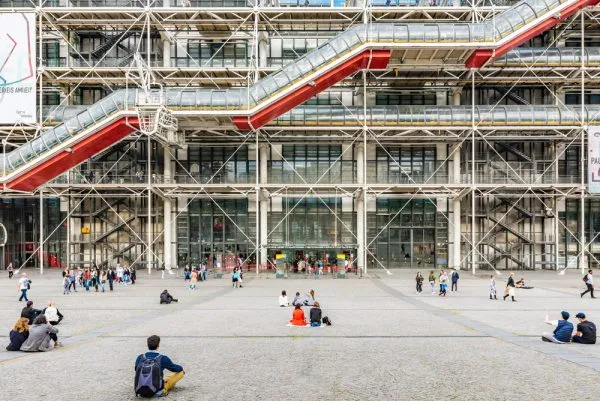
(Paragraph 1) More than three decades after it was built, the Pompidou Centre in Paris has survived its moment at the edge of architectural fashion and proved itself to be one of the most remarkable buildings of the 20th century. It was the most outstanding new building constructed in Paris for two generations. It looked like an explosion of brightly coloured service pipes in the calm of the city centre. However, when in 1977 the architects Richard Rogers and Renzo Piano stood among a large crowd of 5,000 at the opening of the Centre Culturel d’Art Georges Pompidou (known as the Pompidou), no one was really aware of the significance of this unusual building.
(Paragraph 2) Rogers was only 38 when he and Piano won the competition to design a new cultural centre for Paris in the old market site. Young, unknown architects, they had been chosen from a field of nearly 700 to design one of the most prestigious buildings of its day. After six difficult years, with 25,000 drawings, seven lawsuits, battles over budgets, and a desperate last-minute scramble to finish the building, it had finally been done.
(Paragraph 3) Yet the opening was a downbeat moment. The Pompidou Centre had been rubbished by the critics while it was being built, there was no more work in prospect for the architects, and their partnership had effectively broken down. But this was just a passing crisis. The Centre, which combined the national museum of modern art, exhibition space, a public library and a centre for modern music, proved an enormous success. It attracted six million visitors in its first year, and with its success, the critics swiftly changed their tune.
(Paragraph 4) The architects had been driven by the desire for ultimate flexibility, for a building that would not limit the movement of its users. All the different parts were approached through the same enormous entrance hall and served by the same escalator, which was free to anyone to ride, whether they wanted to visit an exhibition or just admire the view. With all the services at one end of the building, escalators and lifts at the other, and the floors hung on giant steel beams providing uninterrupted space the size of two football pitches, their dream had become a reality.
(Paragraph 5) The image of the Pompidou pervaded popular culture in the 1970s, making appearances everywhere – on record-album covers and a table lamp, and even acting as the set for a James Bond film. This did much to overcome the secretive nature of the architectural culture of its time, as it enabled a wider audience to appreciate the style and content of the building and so moved away from the strictly professional view.
(Paragraph 6) The following year, Rogers was commissioned to design a new headquarters for Lloyd’s Bank in London and went on to create one of Britain’s most dynamic architectural practices. Piano is now among the world’s most respected architects. But what of their shared creation?
(Paragraph 7) It was certainly like no previous museum, with its plans for a flexible interior that not only had movable walls but floors that could also be adjusted up or down. This second feature did not in the end survive when the competition drawings were turned into a real building. In other ways, however, the finished building demonstrated a remarkable degree of refinement – of craftsmanship even – in the way the original diagram was transformed into a superbly detailed structure. It was this quality which, according to some critics, suggested that the Pompidou should be seen as closer to the 19th-century engineering tradition than the space age.
(Paragraph 8) Nevertheless, as a model for urban planning, it has proved immensely influential. The Guggenheim in Bilbao and the many other major landmark projects that were built in the belief that innovatively designed cultural buildings can bring about urban renewal are all following the lead of the Pompidou Centre.
(Paragraph 9) Other buildings may now challenge it for the title of Europe’s most outlandish work of architecture. However, more than a quarter of a century later, this construction – it is hard to call it a building when there is no façade, just a lattice of steel beams and pipes and a long external escalator snaking up the outside – still seems extreme.
(Paragraph 10) Today, the Pompidou Centre itself still looks much as it did when it opened. The shock value of its colour-coded plumbing and its structure has not faded with the years. But while traditionalists regarded it as an ugly attack on Paris when it was built, they now see it for what it is – an enormous achievement, technically and conceptually.
Questions
Questions 1-4 (Multiple Choice)
1. What does the writer say in the first paragraph about the opening of the Pompidou Centre?
A. The elderly did not like it.
B. The architects were not present.
C. The atmosphere was very noisy.
D. The people did not realise its importance.
2. What does the writer say in the second paragraph about the construction of the Pompidou?
A. There was a hurry to complete it.
B. It cost less than expected.
C. Other experts helped draw the plans.
D. The market location was criticised.
3. What is the writer’s main purpose in the third paragraph?
A. to explain the multi-functional role of the centre
B. to praise the architects for their design ideas
C. to say why some people’s opinions quickly altered
D. to show how the media benefited from its success
4. What was the architects’ ‘dream’, referred to in the fourth paragraph?
A. to become famous
B. to provide entertainment
C. to allow visitors to use it freely
D. to build the biggest museum in the world
Questions 5-8 (Matching Endings) Complete each sentence with the correct ending, A-F, below.
5. The escalators and lifts inside the Pompidou
6. In the 1970s, pictures of the Pompidou
7. The original plans for the floors of the Pompidou
8. The detailed structure of the finished building
A. reminded some people of past building styles.
B. were used to decorate everyday objects.
C. fitted in well with the external surroundings.
D. were situated on one side of the building.
E. showed people which area to visit.
F. were changed during the construction process.
Summary of the Pompidou Centre Passage
This passage analyzes the history, design, and influence of the Pompidou Centre in Paris. It recounts the journey from its design by two young, unknown architects, through numerous challenges and criticisms, to its inauguration and subsequent unexpected success. The author highlights the Pompidou’s unique design philosophy: creating maximum flexibility by placing the entire service infrastructure and escalators on the exterior. The building became a pop-culture icon with a profound impact on urban planning and future architectural projects. Ultimately, the article asserts that while initially dismissed as an “ugly” anomaly, the Pompidou is now recognized as a monumental achievement.
Key Vocabulary and Structures
- Significance (noun): The quality of being worthy of attention; importance.
- Example: “…no one was really aware of the significance of this unusual building.”
- Prestigious (adjective): Inspiring respect and admiration; having high status.
- Example: “…to design one of the most prestigious buildings of its day.”
- A downbeat moment (noun phrase): A moment characterized by pessimism or disappointment.
- Example: “Yet the opening was a downbeat moment.”
- Change their tune (idiom): To change one’s opinion or attitude, typically from negative to positive.
- Example: “…with its success, the critics swiftly changed their tune.”
- Ultimate flexibility (noun phrase): The highest degree of adaptability.
- Example: “The architects had been driven by the desire for ultimate flexibility…”
- Pervaded (verb): To spread through and be perceived in every part of something.
- Example: “The image of the Pompidou pervaded popular culture in the 1970s…”
- Outlandish (adjective): Looking or sounding bizarre or unfamiliar.
- Example: “Other buildings may now challenge it for the title of Europe’s most outlandish work of architecture.”
- Conceptually (adverb): In terms of ideas or concepts.
- Example: “…an enormous achievement, technically and conceptually.”
Suggested Answers and Detailed Explanations
Questions 1-4
1. D. The people did not realise its importance.
- Keywords: opening, first paragraph.
- Evidence (Paragraph 1): “…no one was really aware of the significance of this unusual building.”
- Explanation: “Significance” is synonymous with “importance.” The text explicitly states that no one was truly aware of the building’s importance at the time.
2. A. There was a hurry to complete it.
- Keywords: construction, second paragraph.
- Evidence (Paragraph 2): “…a desperate last-minute scramble to finish the building…”
- Explanation: “A last-minute scramble to finish” implies a rushed, frantic effort to complete the project, which matches “a hurry to complete it.”
3. C. to say why some people’s opinions quickly altered.
- Keywords: main purpose, third paragraph.
- Evidence (Paragraph 3): The paragraph begins by describing the criticism (“rubbished by the critics”), then describes the building’s massive success (“proved an enormous success”), and concludes with “with its success, the critics swiftly changed their tune.”
- Explanation: The primary purpose of the paragraph is to explain the shift in critical opinion from negative to positive due to the building’s success.
4. C. to allow visitors to use it freely.
- Keywords: architects’ ‘dream’, fourth paragraph.
- Evidence (Paragraph 4): “…a building that would not limit the movement of its users… escalator, which was free to anyone to ride…”
- Explanation: The architects’ “dream” was to create a flexible space that did not restrict users and allowed everyone to use it freely.
Questions 5-8
5. D. were situated on one side of the building.
- Keywords: escalators and lifts.
- Evidence (Paragraph 4): “With all the services at one end of the building, escalators and lifts at the other…”
- Explanation: The escalators and lifts were placed at the “other end,” meaning they were situated on one side of the building.
6. B. were used to decorate everyday objects.
- Keywords: 1970s, pictures of the Pompidou.
- Evidence (Paragraph 5): “The image of the Pompidou… making appearances everywhere – on record-album covers and a table lamp…”
- Explanation: Images of the Pompidou appeared on record covers and lamps, which are “everyday objects.”
7. F. were changed during the construction process.
- Keywords: original plans, floors.
- Evidence (Paragraph 7): “…floors that could also be adjusted up or down. This second feature did not in the end survive when the competition drawings were turned into a real building.”
- Explanation: The feature allowing floors to be adjusted was not included in the final building, meaning the original plans were changed.
8. A. reminded some people of past building styles.
- Keywords: detailed structure, finished building.
- Evidence (Paragraph 7): “…the Pompidou should be seen as closer to the 19th-century engineering tradition than the space age.”
- Explanation: The detailed structure reminded critics of 19th-century engineering, which is a past building style.
Questions 9-14
9. YES
- Keywords: influenced, cities are designed.
- Evidence (Paragraph 8): “Nevertheless, as a model for urban planning, it has proved immensely influential.”
- Explanation: The author confirms that the Pompidou has been a highly influential model for urban planning.
10. NOT GIVEN
- Keywords: Guggenheim, more popular.
- Explanation: The text mentions the Guggenheim as a project that followed the Pompidou’s lead, but it makes no comparison regarding their relative popularity.
11. NO
- Keywords: building fits better than construction.
- Evidence (Paragraph 9): “…this construction – it is hard to call it a building…”
- Explanation: The author suggests that “construction” is a more appropriate term and that it is “hard to call it a building,” which contradicts the question.
12. NO
- Keywords: appearance, changed considerably.
- Evidence (Paragraph 10): “Today, the Pompidou Centre itself still looks much as it did when it opened.”
- Explanation: The author states that the building looks much the same today as it did when it first opened, meaning there has been no significant change.
13. NO
- Keywords: design, fails to shock people.
- Evidence (Paragraph 10): “The shock value of its colour-coded plumbing and its structure has not faded with the years.”
- Explanation: The author argues that the “shock value” has not faded, meaning it still shocks people.
14. YES
- Keywords: traditionalist view, changed.
- Evidence (Paragraph 10): “But while traditionalists regarded it as an ugly attack on Paris when it was built, they now see it for what it is – an enormous achievement…”
- Explanation: The traditionalists’ view has indeed shifted from seeing it as an “ugly attack” to recognizing it as an “enormous achievement.”
By analyzing “The Pompidou Centre,” we can see that grasping the “writer’s views” is the key to successfully handling Yes/No/Not Given questions.
This is not just a reading skill; it is the foundation of critical thinking—a trait highly valued in the IELTS exam. We hope that with this detailed explanation and vocabulary list, you feel more confident and equipped with an effective strategy for tackling similar reading passages in the future.





 Khai giảng Khóa học Hè cực HOT.
Chưa có bình luận nào!