
Tóm Tắt Nội Dung Bài Viết
Pronunciation is one of the four assessment criteria for the IELTS Speaking test and a key factor in making a strong impression on your examiner. However, many learners often overlook it or study phonetics in a fragmented way. The book “Essential Phonetics for IELTS” was created as a focused solution to help learners systematize and improve this critical skill.
In this article, the ECE Language Center provides a detailed review of the book and offers a strategic roadmap to help you translate the knowledge within its pages into a tangible band score.
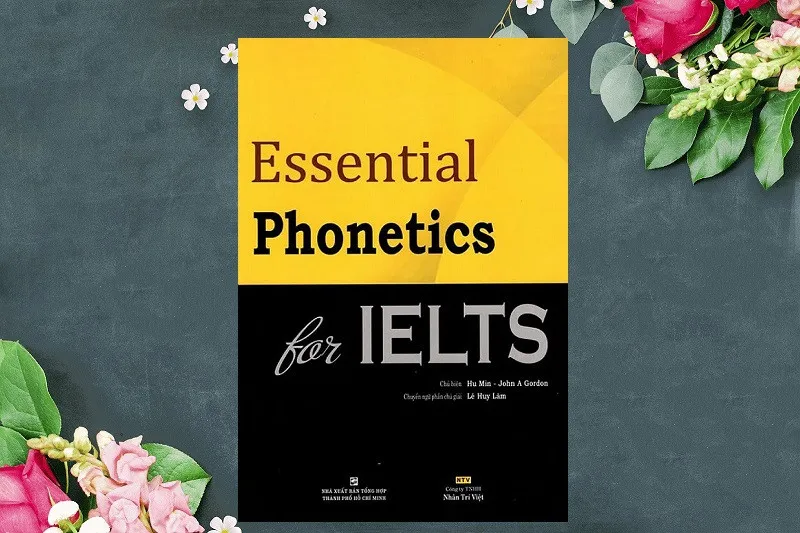
1. Overview of Essential Phonetics for IELTS
Here is the essential information you need to know about this book.
2. Book Content & Connection to IELTS Assessment Criteria
The strength of this book lies in its clear 6-unit structure, which covers the most important aspects of pronunciation. Below is how each section helps you conquer the Pronunciation band descriptors.
3. Target Audience Analysis
Who is this book for?
- IELTS learners aiming to boost their Pronunciation band: This is the primary audience. The book provides a structured roadmap to improve pronunciation from basic to advanced levels.
- Students and general English learners: Anyone looking to standardize their pronunciation and communicate more confidently can benefit from this book.
- English teachers: It can serve as a useful reference and teaching material for pronunciation classes.
Who should NOT use this book?
- Absolute beginners: The book requires a basic foundation in English to understand the terminology and examples. If you are not yet familiar with basic vocabulary and grammar, build that foundation first before diving into phonetics.
- Those looking for a “quick fix”: Improving pronunciation requires persistence and consistent practice. This book is a tool, not a magic wand.
4. Pros & Cons of Essential Phonetics for IELTS
Pros
- Logical, easy-to-follow structure: The book is divided into 6 units, each focusing on a specific aspect, helping learners absorb knowledge systematically.
- Concise, accessible explanations: Phonetic concepts are presented simply, making them easy to grasp even for those new to phonetics.
- Includes CD Audio: This is an essential tool that allows learners to hear the standard pronunciation of each sound, word, and example sentence to mimic.
- Focuses on key IELTS requirements: The content closely follows exam requirements, helping learners focus on what is truly necessary to increase their score.
Cons
- Content is limited to basic-to-intermediate levels: The book provides a solid foundation but does not delve deeply into complex linguistic areas. If you want to study in-depth, you will need more advanced materials.
- Lack of integration with other skills: The book focuses solely on phonetics and may lack a clear connection to building vocabulary or grammar in specific contexts.
5. Suggested Action Plan & Effective Practice
To get the most out of this book, don’t just read it—turn it into an action plan.
Approach for each unit:
- Study the theory: Master the core concepts of the lesson (e.g., stress rules for -tion suffixes).
- Listen & Repeat: Play the corresponding audio file, listen, and repeat each sound and example word. Use your phone to record your voice.
- Compare and Self-correct: Listen to the book’s audio and your recording. Compare them to identify differences and make adjustments.
- Do the exercises: Complete the exercises in the book to reinforce your knowledge.
- Apply: Find 5-10 new vocabulary words containing the rules you just learned and practice pronouncing them.
Sample 1-week practice schedule:
- Mon & Tue: Learn and practice 2 sounds (e.g., /ɪ/ and /i:/) in Unit 3. Record and compare.
- Wed & Thu: Learn a stress rule in Unit 1. Apply it to 20 vocabulary words you are currently learning.
- Fri: Learn intonation for Wh- questions in Unit 5. Practice by shadowing a short interview on YouTube.
- Weekend: Record your answers to 1-2 IELTS Speaking Part 1 questions, trying to apply everything you learned during the week.
Conclusion
“Essential Phonetics for IELTS” is a solid and necessary foundation for anyone looking to improve their pronunciation systematically. Despite some limitations, its clear structure and exam-focused content make it a worthwhile investment. Combine the book with persistent practice and a specific action plan, and you will see your pronunciation skills improve significantly.





 Khai giảng Khóa học Hè cực HOT.
Chưa có bình luận nào!