
Tóm Tắt Nội Dung Bài Viết
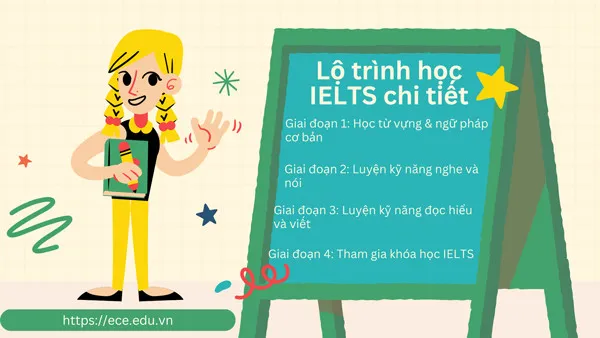
Mastering basic vocabulary and grammar is the most critical first step. This phase builds the linguistic foundation you need to understand and communicate in English. Here is how to tackle this phase:
1.1. Building Basic Vocabulary
Vocabulary is the key to understanding and communicating. Before moving to advanced topics, you must build a solid core.
Methods for Learning Vocabulary
- Thematic Learning: Instead of learning random words, group them by theme to improve retention. Start with topics like:
- Family
- School
- Work
- Weather
- Travel
- Health
- Use Visuals and Audio: Learning through images, sounds, or videos creates stronger memory associations. Use apps like Quizlet or Anki for flashcards, or watch English learning videos on YouTube.
- Contextual Learning: Don’t learn words in isolation. Learn them in sentences to understand how they are used. For example:
- “Rain”: It rains a lot in the UK.
- “Delicious”: The food at that restaurant is delicious.
Recommended Resources
- Apps:
- Duolingo: Great for basic vocabulary and grammar.
- Memrise: Uses flashcards and interactive games.
- Quizlet: Perfect for creating your own daily study sets.
- Books:
- Oxford Picture Dictionary: Excellent for visual learners.
- English Vocabulary in Use (Cambridge): A systematic series ranging from basic to advanced.
Related article: Effective Methods for Learning IELTS Vocabulary
1.2. Mastering Basic Grammar
Grammar is the framework that allows you to structure sentences and express yourself clearly.
How to Study Grammar
- Start with Simple Tenses: Focus on the tenses used most frequently in daily life and the IELTS exam:
- Present Simple: I go to school every day.
- Present Continuous: I am studying English now.
- Past Simple: I went to the park yesterday.
- Future Simple: I will go to the concert tomorrow.
- Understand Sentence Structure:
- Affirmative: Subject + Verb + Object (if applicable). Example: She eats an apple.
- Negative: Subject + Auxiliary Verb (do/does/did) + not + Verb. Example: She does not eat an apple.
- Interrogative: Auxiliary Verb + Subject + Verb? Example: Does she eat an apple?
- Gradually Increase Complexity: Once you master simple sentences, move on to complex structures like conditionals, imperatives, and reported speech.
Recommended Grammar Resources
- Books:
- English Grammar in Use by Raymond Murphy: The gold standard for self-study.
- Basic English Grammar by Betty Schrampfer Azar: Highly accessible for beginners.
- Websites:
- Perfect English Grammar: Offers free lessons and exercises.
- Grammarly: Useful for checking errors and learning from your mistakes.
Phase 2: Developing Listening and Speaking Skills
This phase focuses on active communication, preparing you for the IELTS Listening and IELTS Speaking sections.
2.1. IELTS Listening

Listening Methods
- Start Simple: Begin with basic conversations or beginner-level English videos. Gradually move to news, podcasts, and IELTS-specific practice materials.
- Active vs. Passive Listening:
- Active: Focus intensely on understanding every detail. Use this for IELTS practice tests.
- Passive: Listen while doing chores or relaxing. This helps your brain get used to the rhythm and sounds of English.
- Diverse Materials: Use movies (with subtitles), podcasts like BBC’s 6 Minute English, and official IELTS practice sites like IELTS Liz.
2.2. IELTS Speaking

Speaking Methods
- Daily Practice: Talk to yourself, describe your day, or practice answering common IELTS topics like Education or Work.
- Record Yourself: This is the best way to identify pronunciation and grammar errors.
- Use Apps: Cambly (for native tutors), Elsa Speak (for pronunciation), and Tandem (for language exchange).
- Learn Common Phrases: Use expressions like “In my opinion,” “As far as I know,” or “Personally speaking” to sound more natural.
Phase 3: Reading and Writing Skills
3.1. Reading
Reading Tips
- Skimming: Read titles, intros, and conclusions to get the main idea quickly.
- Scanning: Look for specific keywords to find information fast.
- Start with your level: Use sites like News in Levels to find articles that match your current ability.
3.2. Writing
- Understand the Structure: Learn the requirements for Task 1 (describing charts/graphs) and Task 2 (essays).
- Practice Daily: Write short journal entries or summaries of what you read.
- Get Feedback: Always have a teacher or experienced peer review your work to correct your mistakes.
Phase 4: Join an IELTS Course

Joining a professional course provides the guidance and discipline needed to succeed. Look for courses that offer personalized feedback, mock exams, and a clear curriculum.
Overcoming Common Challenges
- Slow Progress: It’s normal to feel like you’re moving slowly at first. Stay patient and consistent.
- Fear of Speaking: Start small. Don’t worry about being perfect; focus on being understood.
- Exam Pressure: With a solid foundation and regular practice, the pressure will naturally decrease as your confidence grows.
So, should you study for IELTS if you’ve lost your foundation? Absolutely. While it takes effort, a structured approach will not only help you achieve your IELTS score but also build a lifelong skill. Start today, stay consistent, and you will reach your goal.


 Khai giảng Khóa học Hè cực HOT.
Chưa có bình luận nào!