


Tóm Tắt Nội Dung Bài Viết
Museums are a common topic in IELTS Writing Task 2, yet they often leave test-takers feeling “stuck.” Many struggle to develop deep, insightful arguments, falling back on generic statements like “museums are important for education.”
Today’s article, based on the expert insights of Ms. Nguyen Thi Kieu Trang (an 8.0 IELTS instructor at ECE), provides a comprehensive guide to help you tackle this topic with confidence. We will cover everything from understanding the core themes and building a “bank” of multi-dimensional ideas (cultural, educational, and economic) to reviewing a high-scoring sample essay and essential vocabulary.
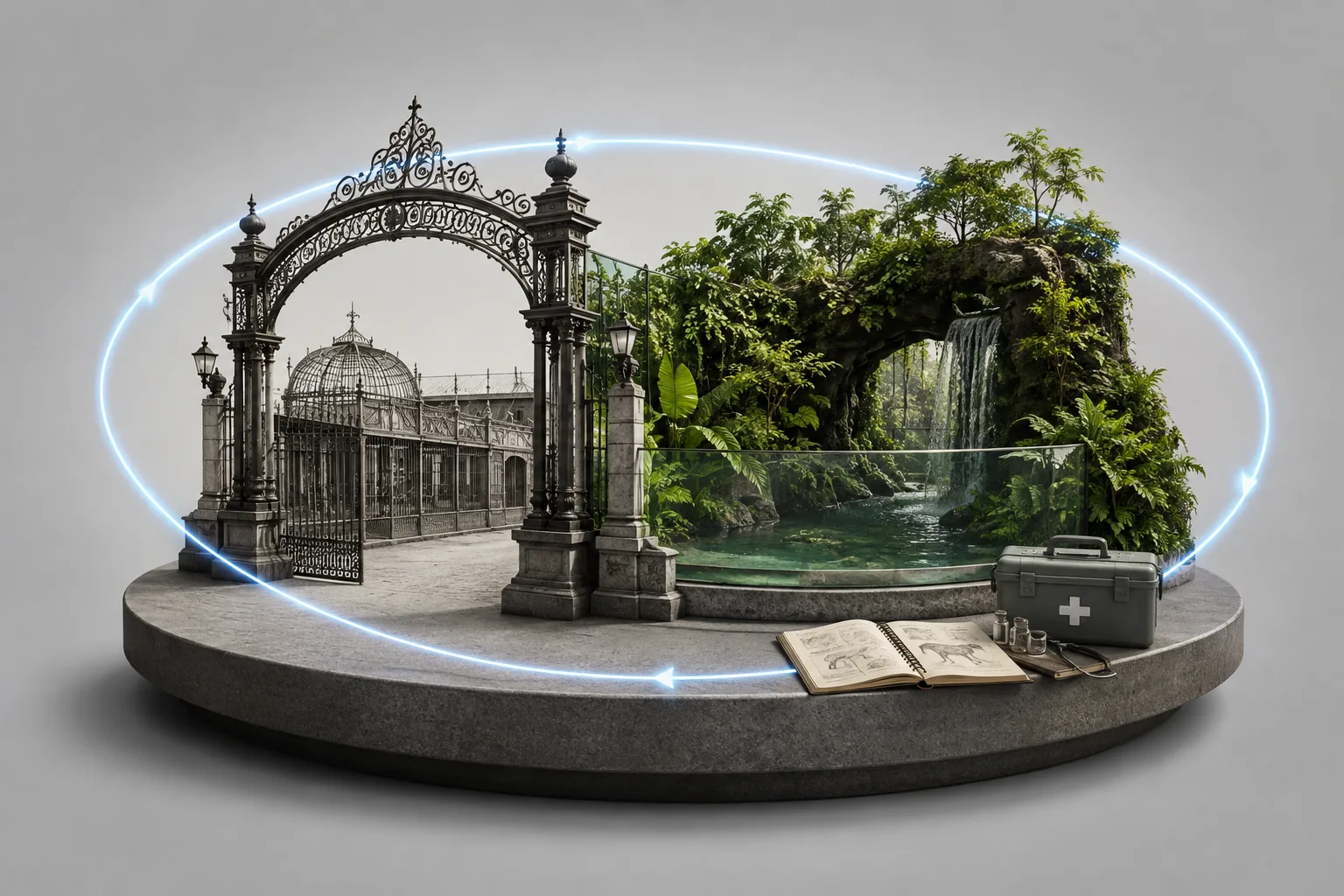
Overview of the “Museum” Topic in IELTS Writing Task 2
In IELTS Writing Task 2, the “Museum” topic typically revolves around the following key issues:
-
The role of museums: Preserving cultural heritage, educating the public (especially the youth), providing immersive learning spaces, and encouraging tourism to drive economic development.
-
Common debates: Should museums be free or charge an entrance fee? Should they focus on national or global history? Should they incorporate modern technology? Are museums still relevant in the Internet age?
Why is this topic easy to write about but hard to write well?
-
Simply stating that “museums are important for education” is too generic and unlikely to earn a high band score.
-
High-band requirements: You must provide deep analysis, real-world examples, and a multi-dimensional perspective (cultural, social, and economic).
Idea Generation & Argumentation for the Museum Topic
To write a persuasive essay, equip yourself with these core ideas that are easy to develop.
Arguments regarding the role of museums
-
Cultural Preservation
-
Museums serve as repositories for cultural artifacts and historical records, protecting them from being lost in the process of modernization.
-
They play a vital role in preserving the cultural identity of a nation.
-
Application: Use when discussing Reasons, Advantages, or Importance.
-
-
Educational Function
-
They provide immersive and visual learning experiences.
-
They help students and the general public understand history, science, and art more vividly than textbooks ever could.
-
Application: Use when discussing Reasons, Benefits, or to support an argument.
-
-
Economic Contribution
-
Many famous museums are major tourist attractions that generate significant tourism revenue.
-
They create jobs and contribute to local and national budgets.
-
Application: Use when analyzing economic aspects, positive impacts, or debates regarding government funding.
-
Common debates & how to approach them
-
Should Museums Be Free?
-
Arguments for free entry: Increases public accessibility, ensuring everyone, regardless of their financial situation, has the opportunity to learn about culture.
-
Arguments for entrance fees: Provides a stable income source to maintain operations, restore artifacts, pay staff, and reduce the burden on government budgets.
-
Application: Discussion or Opinion essays.
-
-
Technology-enhanced Museums
-
The use of VR, AR, and interactive exhibitions enhances the visitor experience, attracts younger generations, and brings exhibits to life.
-
Application: Discussing modern solutions or contemporary perspectives.
-
-
Museums vs. Online Resources
-
Perspective: Some argue that the Internet and digital archives have rendered physical museums obsolete.
-
Counter-argument: In-person visits offer emotional value and a sense of connection that screens cannot replicate. Many artifacts require physical observation. Museums are social “cultural spaces,” not just information repositories.
-
Application: Balanced argument or Opinion essays.
-
Analyzing an IELTS Writing Task 2 Sample Essay
Let’s work with ECE to analyze a typical prompt and a high-scoring sample essay to understand how to apply these ideas and vocabulary.
Prompt: Some people believe that museums should be free of charge, while others argue that charging an entrance fee is necessary. Discuss both views and give your opinion.
This is a Discussion Essay, requiring you to examine both sides (free vs. paid) and provide your own perspective.
Sample essay by Ms. Kieu Trang:
Introduction:
In recent years, the question of whether museums should offer free entry or charge visitors has sparked considerable debate. While free admission can make cultural resources more accessible to the public, I believe that entrance fees are essential for ensuring the long-term sustainability of museums.
Body 1 – Benefits of free entry:
On the one hand, free access to museums brings several significant benefits. Museums serve as important educational institutions that help people understand history, science, and the arts. When the entrance is free, individuals from all socioeconomic backgrounds can visit these places without financial concerns. This is particularly beneficial for students and low-income families who may not otherwise have the opportunity to experience cultural learning in a formal setting. Moreover, free entry can increase visitor numbers, encouraging wider public engagement in cultural preservation and national heritage.
Body 2 – The necessity of entrance fees:
On the other hand, museums often require substantial funding to operate effectively. They must maintain facilities, preserve delicate artifacts, organize exhibitions, and employ skilled staff such as curators and researchers. Relying solely on government funding can place a heavy burden on public budgets, especially in countries where cultural investment is limited. Charging an entrance fee provides museums with a stable source of income, which can be reinvested in improving visitor experience and protecting valuable collections. Furthermore, a small fee may encourage visitors to value the experience more, leading to more mindful and respectful behavior during their visit.
Conclusion:
In conclusion, although free admission can broaden public access to cultural spaces, charging visitors is necessary to maintain the quality and sustainability of museum operations. A balanced approach could involve offering free entry on special occasions or discounts for students, ensuring both accessibility and financial stability.
High-scoring Academic Vocabulary for the Museum Topic
To elevate your writing, ensure you use these academic terms and collocations accurately.
| Vocabulary / Collocation | Meaning |
| preserve cultural artifacts | protect historical objects |
| maintain historical records | keep archival documents |
| offer immersive learning experiences | provide engaging, hands-on learning |
| cultural identity preservation | protecting heritage and identity |
| generate tourism revenue | create income from tourism |
| government subsidies/funding | financial support from the state |
| interactive exhibitions | exhibits that allow visitor participation |
| digital archives | online collections of data |
| public accessibility/access | ease of public entry |
| curatorial work / curator | managing collections / museum professional |
| public engagement | involvement of the public |
| delicate artifacts | fragile historical items |
| long-term sustainability | lasting viability |
Conclusion
We have now explored a comprehensive roadmap to conquering the “Museum” topic in IELTS Writing Task 2. The key to a high band score lies in your ability to provide a multi-dimensional analysis of the cultural, educational, and economic roles of museums, combined with the precise use of academic vocabulary.
This article has equipped you with the necessary tools: from a topic overview and a systemized approach to arguments, to the detailed sample essay from Ms. Kieu Trang and a list of high-scoring vocabulary. Use this as a solid foundation, practice applying these concepts to your own writing, and you will be fully prepared to achieve your desired results when facing this interesting topic.




 Khai giảng Khóa học Hè cực HOT.
No comments yet!