


Tóm Tắt Nội Dung Bài Viết
Lifestyle is an incredibly popular and engaging topic in IELTS Writing Task 2. While it may seem familiar, many candidates struggle to develop sufficiently deep ideas or use the appropriate academic language required to secure a high band score during the actual exam.
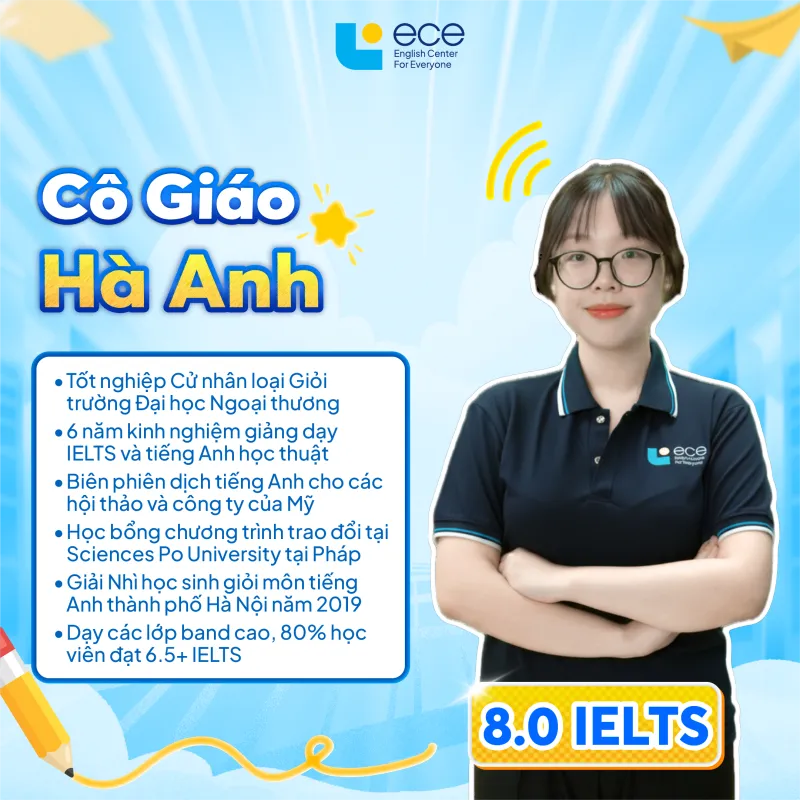
This article, based on the in-depth materials provided by Ms. Nguyen Ha Anh (an 8.0 IELTS instructor at ECE), serves as a comprehensive guide to help you confidently conquer this topic—from analyzing relevant aspects and building an idea bank to reviewing sample essays and high-scoring vocabulary.
Overview of the Lifestyle Topic in IELTS Writing Task 2
The “Lifestyle” topic in IELTS Writing Task 2 often touches upon the following aspects, requiring you to demonstrate multi-dimensional analytical skills alongside precise academic language.
Common aspects of the Lifestyle topic:
-
Personal health: Healthy living, dietary habits, sleep patterns, and physical exercise.
-
Modern lifestyle: The influence of technology, work, and the trend of fast-paced vs. slow-paced living.
-
Life balance: Work-life balance, stress levels, and mental well-being.
-
Personal values & trends: Minimalist living, eco-friendly lifestyles, and pursuing personal interests.
-
Social influence: The impact of media, advertising, and urban environments on how we choose and maintain our lifestyles.
Requirements for a high band score (7.0 – 8.0+) on the Lifestyle topic:
-
Task Response:
-
Analyze the aspects of lifestyle in depth, rather than just scratching the surface.
-
Provide insightful arguments that combine personal perspectives with social analysis.
-
Use realistic examples or logical hypothetical scenarios to support your ideas.
-
-
Coherence & Cohesion:
-
Maintain a clear, logical structure between paragraphs and ideas within each paragraph.
-
Use linking devices flexibly and accurately.
-
-
Lexical Resource:
-
Use specialized vocabulary related to health, technology, society, and psychology.
-
Apply natural and academic collocations while avoiding repetition.
-
-
Grammatical Range & Accuracy:
-
Utilize a variety of complex grammatical structures (complex sentences, relative clauses, conditionals, etc.).
-
Ensure high grammatical accuracy.
-
Idea Bank & Arguments for the Lifestyle Topic
To write a persuasive and insightful essay, equip yourself with the core ideas below. You can select 2-3 points to develop in your writing.
Negative arguments regarding modern lifestyles
-
Fast-paced Modern Life:
-
Modern life moves at a breakneck speed, forcing many to “race” against work, eat on the go, suffer from sleep deprivation, and constantly feel pressured.
-
Application: Explain why many modern lifestyles are considered unhealthy (e.g., stress, burnout, lack of time for self-care).
-
-
Sedentary Lifestyle Due to Technology:
-
Work, study, and entertainment are all tied to screens, leading to increasingly sedentary behavior, which results in physical health issues (obesity, cardiovascular disease) and mental health problems.
-
Application: A key cause to mention when writing about health issues in modern life.
-
-
Convenience-oriented Eating Habits:
-
The popularity of fast food or processed food due to convenience and time-saving, which carries negative health consequences (increased risk of obesity, diabetes).
-
Application: Use this to discuss negative health outcomes resulting from poor dietary habits.
-
-
Poor Work–Life Balance:
-
Heavy workloads and the pressure of an “always-on” lifestyle leave many people with no time for rest, self-care, or meaningful social interaction.
-
Application: A primary cause of stress, burnout, and declining mental health.
-
Positive arguments regarding modern lifestyles (or solutions)
-
Growing Health Awareness:
-
Despite being busy, more people are proactively prioritizing their health: exercising regularly, choosing organic/whole foods, getting enough sleep, and limiting harmful substances.
-
Application: Can be used as a positive argument or as a solution to health problems.
-
-
Leveraging Technology for Well-being:
-
Technology provides fitness apps, online workout programs, and smart health-tracking devices that make it easier for people to maintain a healthy lifestyle.
-
Application: Counter-argue the negative views on technology or propose it as a solution.
-
-
Minimalist and Eco-friendly Lifestyles:
-
Minimalism and eco-friendly living are trends increasingly followed by young people. These help reduce waste, curb overconsumption, foster conscious living, and lower stress.
-
Application: A modern perspective that makes your essay feel authentic and relevant to contemporary life.
-
-
Flexible Working Arrangements:
-
Flexible work arrangements, such as remote work or hybrid schedules, allow individuals to manage their time better, thereby maintaining a healthier work–life balance.
-
Application: A solution or a benefit of modern development.
-
Quick Tip: Always try to present both sides of the issue (even if you lean toward one) and connect them logically to give your essay depth.
Analyzing a Sample Essay on the Lifestyle Topic in IELTS Writing Task 2
Let’s analyze a typical prompt and an excellent sample essay to understand how to apply the ideas and vocabulary you have learned.
Prompt: Some people believe that modern lifestyles have a negative impact on people’s health, while others argue that they bring more benefits. Discuss both views and give your own opinion.
This is a Discussion Essay, requiring you to discuss both viewpoints and provide your personal opinion.
Sample Essay:
Introduction:
In recent decades, dramatic changes in the way people live have sparked ongoing debates about whether modern lifestyles do more harm than good. While it is true that contemporary habits can lead to several health problems, I believe the advantages of today’s lifestyles are equally significant, provided that individuals make conscious and balanced choices.
Body 1 – Negative impacts of modern lifestyles:
On the one hand, many aspects of modern living can negatively affect people’s physical and mental well-being. Long working hours and the pressure to stay constantly productive often deprive individuals of sleep, exercise, and meaningful social interaction. This “always-on” lifestyle, when prolonged, can easily result in chronic stress or burnout. In addition, the widespread reliance on convenience food has contributed to health issues such as obesity, diabetes, and heart disease. The sedentary nature of office-based work, combined with the overuse of technology, has further intensified the problem, as many people now spend most of their day sitting. Taken together, these factors show why modern lifestyles are frequently criticised for being detrimental to human health.
Body 2 – Benefits and solutions of modern lifestyles:
On the other hand, modern lifestyles also offer unparalleled opportunities for people to improve their quality of life. Advances in technology allow individuals to access fitness apps, online workout programmes, and smart health-tracking devices, which can motivate them to adopt healthier daily habits. The growing awareness of mental health has also encouraged many people to prioritise physical and emotional well-being, leading to a rise in mindfulness practices such as yoga, meditation, and minimalistic living. Furthermore, flexible working arrangements—such as remote work or hybrid schedules—make it possible for individuals to better manage their time and maintain a healthier work–life balance. These shifts demonstrate that modern living is not inherently harmful; rather, its impact depends largely on how people use the tools and choices available to them.
Conclusion:
In conclusion, although certain aspects of modern lifestyles can undermine human health, the benefits they bring should not be dismissed. With the right awareness and self-discipline, individuals can fully enjoy the conveniences of contemporary life while still developing sustainable and healthy habits. Ultimately, it is not the modern lifestyle itself but the way it is managed that determines whether its influence is positive or negative.
Academic Vocabulary Suggestions for the Lifestyle Topic
To elevate your writing, ensure you use academic vocabulary and phrases accurately.
| Vocabulary / Collocation | Vietnamese Meaning |
| modern lifestyles | lối sống hiện đại |
| fast-paced life | cuộc sống nhanh |
| sedentary lifestyle | lối sống ít vận động |
| convenience food | đồ ăn tiện lợi |
| processed food | đồ ăn chế biến sẵn |
| work-life balance | cân bằng công việc – cuộc sống |
| chronic stress | căng thẳng mãn tính |
| burnout | kiệt sức (do công việc) |
| mental well-being | sức khỏe tinh thần |
| physical well-being | sức khỏe thể chất |
| deprive individuals of | tước đoạt của cá nhân (cái gì đó) |
| detrimental to health | có hại cho sức khỏe |
| smart health-tracking devices | thiết bị theo dõi sức khỏe thông minh |
| adopt healthier habits | áp dụng thói quen lành mạnh hơn |
| growing awareness of mental health | nhận thức ngày càng tăng về sức khỏe tinh thần |
| prioritise physical and emotional well-being | ưu tiên sức khỏe thể chất và tinh thần |
| mindfulness practices | các thực hành chánh niệm |
| minimalistic living | lối sống tối giản |
| eco-friendly lifestyle | lối sống thân thiện môi trường |
| flexible working arrangements | sắp xếp công việc linh hoạt |
| remote work / telecommuting | làm việc từ xa |
| hybrid schedules | lịch trình làm việc kết hợp (tại văn phòng và từ xa) |
| sustainable habits | thói quen bền vững |
Conclusion
We have now deeply analyzed the Lifestyle topic in IELTS Writing Task 2. The key to achieving a high band score lies in your ability to provide a multi-dimensional analysis of the impacts of modern lifestyles and your use of precise academic vocabulary. With the knowledge and strategies from Ms. Nguyen Ha Anh’s article, you are fully equipped to confidently develop your ideas, strengthen your vocabulary, and achieve the best possible results when you encounter this topic in your IELTS Writing exam.





 Khai giảng Khóa học Hè cực HOT.
No comments yet!