


Tóm Tắt Nội Dung Bài Viết
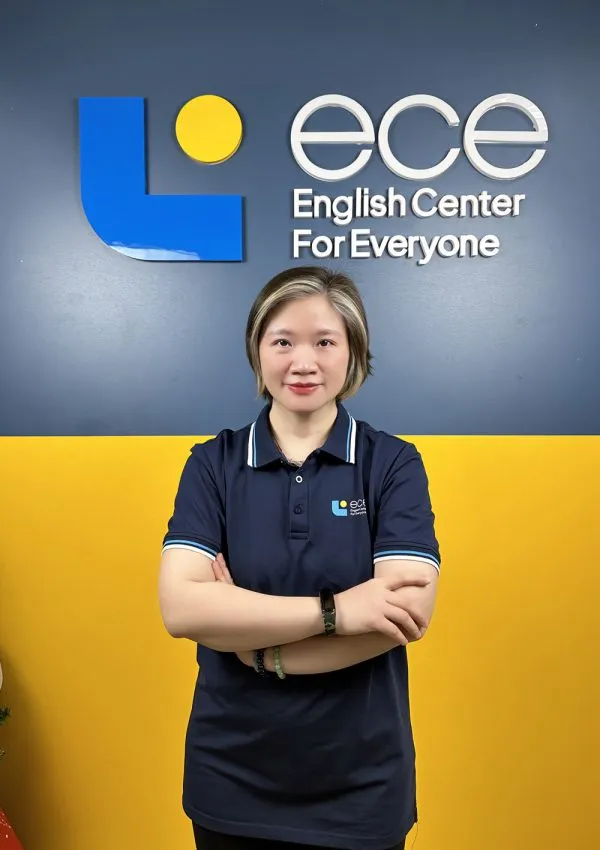
Are you preparing for the IELTS Speaking test and looking to confidently “conquer” the Food topic? This exclusive guide from Ms. Nguyen Thi My Ly – an 8.0 IELTS instructor at ECE – will serve as your roadmap to leveling up your vocabulary, mastering grammatical structures, and speaking about culinary topics with natural, fluid confidence. Let’s dive into these “invaluable” insights to help you ace your Speaking exam!
Part 1: Common Questions on the Topic of Food
In the IELTS Speaking Part 1, the examiner will ask you familiar questions about your preferences and daily eating habits. Below is how Ms. My Ly answers them, along with detailed vocabulary explanations:
1. What kind of food do you like to eat?
“I’m a foodie and always have a soft spot for Bún chả, a traditional Vietnamese dish that originates from Hanoi, the capital of Vietnam. There’s just something about the bold flavors and aromatic spices that really whets my appetite.”
- Foodie: a person with a keen interest in food
- Have a soft spot for: to have a particular fondness for something
- Bold flavor: a strong, distinct taste
- Aromatic spices: spices with a pleasant, fragrant smell
- Whet my appetite: to stimulate one’s desire for food
2. Do you prefer home-cooked food or eating out?
“It depends. If I have time and the right ingredients, I definitely prefer home-cooked meals because cooking at home allows me to stay in control of what I eat—from the amount of oil to the freshness of the produce. However, if I’m busy or just want to treat myself, I’ll dine out now to spice things up a bit.”
- Stay in control: to maintain authority or management over something
- Treat myself: to do something special for oneself
- Spice things up: to make something more interesting or exciting
3. Have your eating habits changed over time?
“Sure. I used to have a sweet tooth and would snack on junk food, but nowadays I try to eat clean and stick to a balanced diet. I guess I’ve learned not to take my health for granted.”
- Have a sweet tooth: to love eating sugary foods
- Snack on: to eat small amounts of food between meals
- Stick to a balanced diet: to maintain a healthy, well-rounded diet
- Take my health for granted: to fail to appreciate the value of good health
4. What is a popular food in your country?
“One of the most popular and iconic dishes in Vietnam is Phở. It’s a traditional noodle soup that clicks with people from all walks of life across the country, as well as with visitors from abroad. Vietnamese people often chow down on Phở in the morning, which gives them a hearty start to the day.”
- Click with: to be well-received or popular with someone
- From all walks of life: people from all different social and economic backgrounds
- Chow down: to eat something, often quickly or with gusto
- A hearty start: a satisfying and energizing beginning
5. Do you like trying new food?
“Absolutely! I’m always eager to branch out and try new foods. It helps me step out of my comfort zone and broaden my palate. If dishes don’t suit my taste, I might not give it another shot. However, I think food is a great way to bring people together, so I love diving into new culinary experiences.”
- Branch out: to explore new areas or activities
- Step out of my comfort zone: to try things that are unfamiliar or challenging
- Broaden my palate: to expand the range of foods one enjoys
- Give it another shot: to try something again
- Culinary experience: an experience related to cooking or eating
Part 2: Describe a Memorable Meal You Had
This section requires you to tell a detailed story about a memorable meal. Refer to Ms. My Ly’s approach to create a coherent and engaging response:
Topic: Describe a memorable meal you had.
You should say:
- What the meal was
- Where you had it
- Who you were with
- And explain why it was memorable
“I’d like to recount a meal that left a mark on me. It was during the Tết holiday, the Vietnamese Lunar New Year, a couple of years ago. I was visiting my grandmother’s house in the countryside, and the whole family had gathered there to ring in the new year.”
“It was a full-on feast, featuring all the classic Tết foods. We had bánh chưng (sticky rice cake), boiled chicken, pickled onions, and a variety of home-cooked dishes that my grandma had spent days preparing. What made the meal special wasn’t the food alone, but the joy of being together. Everyone was in high spirits, sharing stories, and enjoying the festive vibe.”
“I remember sitting at the table, completely taken aback by the sheer amount of care and effort put into every little detail. The dishes were stunningly presented and the house was adorned with red and gold decorations that gave it a warm, festive glow. My grandmother even made a speech to kick things off, thanking everyone for being there and wishing us a year full of health, happiness, and good fortune. It was one of those moments that really pulled at my heartstrings.”
“That meal stood out to me because it wasn’t just about a treat for the taste buds, but a celebration of family, tradition, and culture. It’s the kind of experience that really brings people together and reminds you of what matters in life.”
- Recount: to tell a story or describe an event
- Left a mark on: to have a lasting impact on someone
- Ring in the new year: to celebrate the beginning of the new year
- Full-on feast: a large, elaborate meal
- In high spirits: feeling happy and cheerful
- Festive vibe: a joyful, celebratory atmosphere
- Taken aback: surprised or shocked
- Kick things off: to start an event
- Pulled at my heartstrings: to cause strong feelings of emotion
- Stood out: to be very noticeable or excellent
- A treat for the taste buds: a delicious meal
Part 3: Discussing Social Issues Related to Food
Part 3 requires the ability to analyze and argue about broader issues related to food. See how Ms. My Ly expands her ideas and uses advanced vocabulary:
1. How important is it for people to share meals together?
“It’s absolutely important. Family meals are a great way to touch base with each other. In today’s hectic world, everyone’s always up to their ears, so dinner might be the only time to really catch up. Also, when people sit down and chew the fat, they often exchange stories about their day, talk about plans or challenges. This openness builds trust and understanding, keeping the family bond strong.”
- Touch base: to briefly connect or communicate with someone
- Hectic world: a very busy and fast-paced world
- Up to their ears: very busy
- Catch up: to talk to someone you haven’t seen for a while to exchange news
- Chew the fat: to chat in a friendly, informal way
- Keeping the family bond strong: maintaining close family relationships
2. How have people’s eating habits changed in your country?
“Vietnamese people’s eating habits have really changed a lot lately. In the past, they used to cook everything from scratch because they had more time to prepare meals at home and could source fresh produce themselves. But now, with everyone caught up in the rat race, a lot of people have fallen into the trap of grabbing takeaway and pushed home-cooked meals to the back burner.”
- Cook everything from scratch: to cook using basic, raw ingredients rather than pre-packaged ones
- Caught up in the rat race: involved in the competitive, stressful struggle for success
- Fallen into the trap of grabbing takeaway: to get into the habit of buying fast food/takeout
- Pushed home-cooked meals to the back burner: to give less importance to cooking at home
3. Why do some people prefer eating alone?
“Some people prefer eating alone because it allows them to kick back and enjoy their food without distractions. When eating solo, they can take things at their own pace and don’t have to worry about making conversation or impressing anyone. It’s also a chance to clear their head and have some personal space, especially if they’ve had a busy day. In other words, eating alone gives them the chance to recharge their batteries, which is important for mental well-being.”
- Kick back: to relax
- Take things at your own pace: to do things at a speed that is comfortable for you
- Clear their head: to think more clearly or relax the mind
- Recharge their batteries: to rest and regain energy
4. How important is food culture in a country?
“Food culture in Vietnam is crucial and woven into the fabric of everyday life. Meals are often more than just about eating—they’re a chance to bring people together and fortify family ties. Traditional dishes are passed down through generations, and many people take pride in getting back to their roots through cooking. Moreover, food markets and street vendors play a big role in community life, making food a social event where locals shoot the breeze and stay updated on each other’s lives.”
- Woven into the fabric: deeply integrated into something
- Fortify family ties: to strengthen family connections
- Getting back to their roots: returning to one’s cultural origins or traditions
- Shoot the breeze: to chat casually
5. Why do people choose to become vegetarians or vegans?
“There are several reasons why many people choose to steer clear of meat and animal products. Some are health-conscious; they believe a plant-based diet helps them stay in shape and avoid contracting diseases. Others are driven by environmental concerns, as the meat industry is often blamed for high carbon emissions and resource overuse. That said, going vegan isn’t exactly a piece of cake for everyone since it requires planning and commitment, especially in cultures where meat is a staple.”
- Steer clear of: to avoid something
- Health-conscious: concerned about one’s health
- Contracting diseases: catching or developing an illness
- Blamed for: held responsible for something negative
- That said: however/despite what has just been said
- A piece of cake: something very easy to do
We hope this article from ECE helps you with effective IELTS Speaking preparation. Learn from Ms. My Ly’s approach to structuring ideas, using vocabulary, and applying grammatical structures to confidently achieve a high score in your upcoming exam!





 Khai giảng Khóa học Hè cực HOT.
No comments yet!