


Tóm Tắt Nội Dung Bài Viết
Cambridge Grammar for IELTS is a comprehensive academic resource for anyone looking to sharpen their grammar skills and achieve a high score on the IELTS exam. Designed to provide effective study tools, this book goes beyond theory by offering detailed practical guidance, helping learners apply their knowledge to the exam as effectively as possible.
In this article, the ECE language center provides a detailed overview of Cambridge Grammar for IELTS, including an introduction to the book, target audience, content structure, pros and cons, study tips, and a download link. Let’s dive in!
1. Introduction to Cambridge Grammar for IELTS
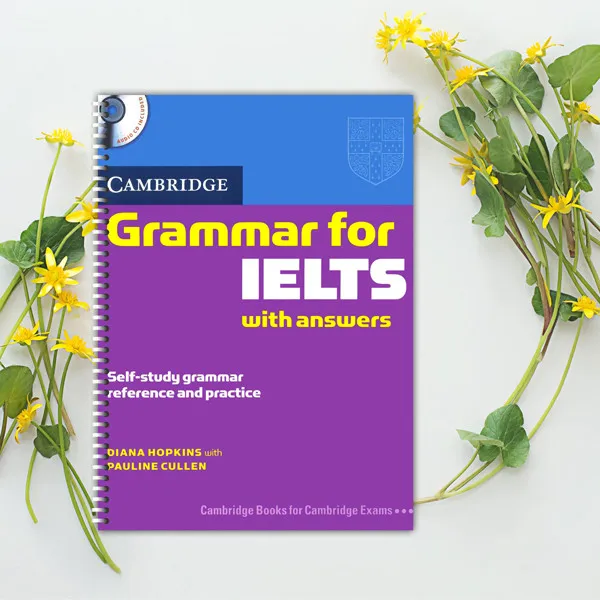
Cambridge Grammar for IELTS is published by Cambridge University Press to support students in preparing for the IELTS exam, with a specific focus on Grammar. This book is tailored for English learners at an intermediate to advanced level who are aiming for a high band score.
The book is built upon real-world lessons and exam experience, aligned with official IELTS standards. Developed with input from experts and experienced educators, it provides in-depth lessons and a wealth of practice exercises to help learners apply their knowledge to every section of the IELTS test.
2. Who is this book for?
Cambridge Grammar for IELTS is designed for:
- Students aiming for a high IELTS score: This book is an ideal choice for those who already have a basic grasp of grammar but want to refine their knowledge to boost their scores in IELTS Reading, Writing, and Speaking.
- English learners looking to improve their grammar: It is also a great resource for anyone wanting to reinforce their English grammar, whether for the IELTS exam, daily communication, or academic studies.
- Those interested in academic English: The book covers the sentence structures and grammatical usage required in academic texts, helping learners become familiar with the standards expected in an academic environment.
3. Content Structure of Cambridge Grammar for IELTS
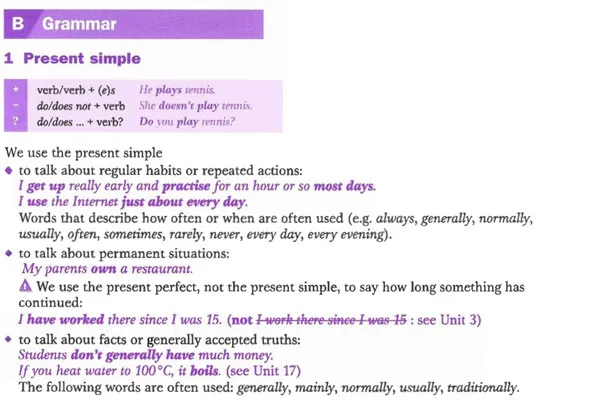
Cambridge Grammar for IELTS is organized into a clear, accessible structure consisting of 14 main units divided into three key sections:
3.1. Part A: Essential Grammar
Each unit in this section focuses on a specific grammar topic, ranging from basic sentence structures to advanced concepts required for the IELTS exam. Key topics include:
- Unit 1: Tenses
- Unit 2: Nouns and Pronouns
- Unit 3: Verbs and Conditionals
- Unit 4: Adjectives and Adverbs
- Unit 5: Comparisons
- Unit 6: Passive Voice
- Unit 7: Reported Speech
- Unit 8: Conditional Sentences (Types 1, 2, and 3)
- Unit 9: Relative Clauses
- Unit 10: Adverbial Clauses
- Unit 11: Noun Clauses
- Unit 12: Parallel Structures
- Unit 13: Complex and Compound Sentences
- Unit 14: Direct and Indirect Speech
Each unit introduces the theory, provides illustrative examples, and includes practice exercises to help learners master the grammar structures essential for the exam.
3.2. Part B: Practice Tests
This section includes six practice tests designed to simulate the grammar sections of the IELTS exam, helping learners become familiar with common question types and test-taking techniques. Each test includes:
- Exercise 1: Multiple-choice questions to test recognition and usage.
- Exercise 2: Sentence completion based on provided words.
- Exercise 3: Fill-in-the-blanks.
- Exercise 4: Error identification and correction.
- Exercise 5: Sentence reordering to form coherent paragraphs.
After each test, the book provides detailed answer keys and explanations, helping learners understand their mistakes and how to correct them.
3.3. Part C: Model Essays
The final section of the book features model essays for each grammar topic covered. These models not only help learners see how grammar is applied in writing but also provide skills for constructing complete, cohesive sentences. Each essay includes detailed commentary from instructors, helping students master standard writing techniques.
4. Pros of Cambridge Grammar for IELTS
Cambridge Grammar for IELTS is highly regarded for several key advantages:
4.1. In-depth content aligned with IELTS requirements
The book provides carefully selected grammar lessons that reflect the actual demands of the IELTS exam. It combines theory with extensive practice exercises and simulated tests, helping students get comfortable with the real exam format.
4.2. Abundant practice exercises
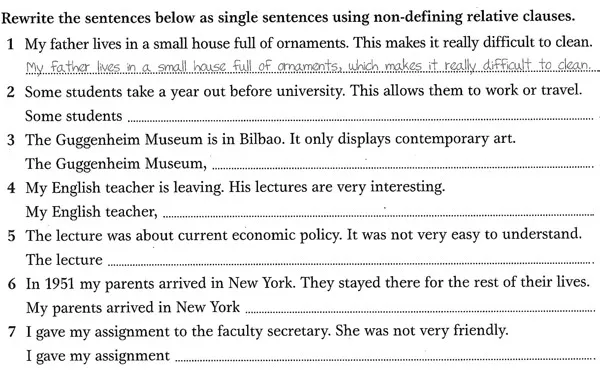
The book offers a wide variety of exercises, from multiple-choice and fill-in-the-blanks to error correction and paragraph writing. These exercises help learners effectively train their grammar recognition and application skills.
4.3. Detailed answer keys and explanations
After every test and exercise, learners will find detailed answers with clear explanations. This helps not only in checking results but also in understanding the “why” behind each answer, improving practical application.
4.4. Model essays and analysis
The end of the book provides several model essays accompanied by expert commentary. Learners can study these to learn how to write to a high standard, which helps improve their overall writing skills.
Check out other related articles:
Review & download link for The Official Cambridge Guide to IELTS
5. Cons of Cambridge Grammar for IELTS
Despite its many strengths, there are a few drawbacks to keep in mind:
5.1. Not suitable for absolute beginners
Cambridge Grammar for IELTS assumes that the learner already has a basic foundation in grammar. For those just starting out or with weak grammar skills, the book might be challenging and potentially discouraging if they struggle with the core concepts.
5.2. Practice exercises may not be enough for some
While the book provides plenty of exercises, those who want extra practice might find the volume insufficient. You may need to supplement this book with other IELTS preparation materials or online resources.
5.3. Lack of direct instructor guidance
The book is primarily a self-study resource, which can be difficult for learners who need direct guidance or further clarification from a teacher. Without support, mastering and applying certain grammar points can be challenging.
6. How to study effectively with Cambridge Grammar for IELTS
To get the most out of Cambridge Grammar for IELTS, learners should follow a systematic study approach and remain consistent. Here are some tips for effective study:
6.1. Preparation
Before you start, consider the following:
- Assess your current grammar level: Take a short test or use an online assessment tool to determine your current proficiency. This will help you decide if this book is the right fit for your level.
- Set clear goals: Define your target IELTS score to adjust your study method accordingly. If you are aiming for a high score, focus on the more difficult and advanced grammar topics.
- Familiarize yourself with the book’s structure: Take a quick look through the book to understand how each section is organized and identify the main grammar topics covered.
6.2. Study systematically
- Go through the units in order: Read the theory section of each unit carefully. Try to master the theory before moving on to the practice exercises. Treat each unit as an independent topic where you can focus on specific structures and usage.
- Complete the practice exercises: Once you have grasped the theory, move on to the exercises. Start with the simpler ones and progress to the more difficult tasks to test your understanding.
- Use supplementary resources: If needed, use other textbooks or online materials to add variety to your practice.
6.3. Focus on the practice tests
- Take simulated tests: Part B contains tests that mimic the real IELTS exam. Taking these will help you get used to the question structure and time management. After finishing, check the detailed answers and analyze your mistakes.
- Retake the tests: Once you understand why you made a mistake, retake the tests to reinforce your knowledge. This repetition helps you remember key grammar structures and improves your test-taking ability.
6.4. Apply knowledge to real-world practice
- Write and speak regularly: To improve your grammar, practice writing and speaking English frequently. Use the structures you’ve learned from the book to write short paragraphs, essays, or participate in English discussion groups.
- Take notes and self-test: Use a study notebook to jot down important grammar structures. Periodically test yourself by writing or speaking sentences using these structures.
6.5. Supplement with courses or classes
- Study with a teacher: If possible, enroll in an IELTS preparation course or grammar classes with an experienced instructor. Learning with a teacher provides personalized advice and guidance.
- Practice via online courses: Platforms like Coursera, edX, or Khan Academy offer lectures and exercises that can help reinforce your grammar knowledge.
6.6. Evaluation and feedback
- Get feedback from others: If possible, have an experienced person or teacher check your exercises and essays. Their feedback will help you identify your weaknesses and areas for improvement.
- Self-assessment: Regularly evaluate your progress using the tests and exercises in the book. Mark the lessons or grammar points you still find difficult so you can revisit them later.
Cambridge Grammar for IELTS is a useful tool to help learners reinforce their grammar knowledge and confidently prepare for the IELTS exam. By applying the right study methods and practicing consistently, you will achieve the best results. Good luck!





 Khai giảng Khóa học Hè cực HOT.
No comments yet!