


Tóm Tắt Nội Dung Bài Viết
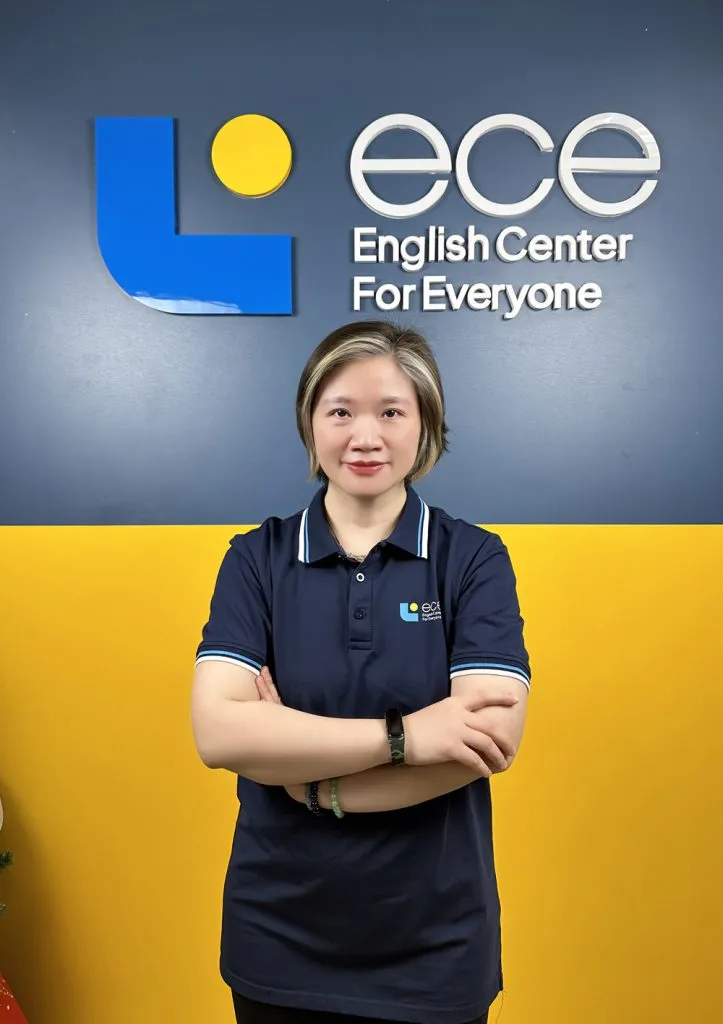
In the IELTS Speaking test, describing a special occasion is a common topic that allows examiners to assess a candidate’s ability to use language effectively and tell a compelling story. This article provides a detailed sample response for this topic, professionally reviewed by Ms. Nguyen Thi My Ly (IELTS 8.0 Overall), a full-time IELTS instructor with 14 years of teaching experience at ECE Language Center, to help you prepare as effectively as possible.
Part 1
What is a special occasion that is important to you?
For me, Tet is crucial because it gives me a chance to turn over a new leaf, letting go of all the negativity and starting fresh. It’s a time to set the wheels in motion for personal growth, such as breaking bad habits, improving time management skills, and learning a new skill.
High-scoring vocabulary:
- Turn over a new leaf: to start behaving in a better way or change your lifestyle for the better.
- Set the wheels in motion: to start a process or a series of changes.
Do you enjoy celebrating special occasions? Why or why not?
Yes, I truly relish the chance to commemorate significant days because they break the monotony of daily life and bring people closer together. Whether it’s a birthday, a national holiday, or a cultural festival, I love the festive atmosphere and the opportunity to create lasting memories.
High-scoring vocabulary:
- Relish: to enjoy something greatly.
- Break the monotony of daily life: to do something different to escape the routine of everyday life.
- Festive atmosphere: a joyful, celebratory mood.
Do you prefer big celebrations or small, intimate ones? Why?
I love small-scale, close-knit celebrations. These events tend to be low-key but can help me build more meaningful connections with friends and family. Truth be told, in a smaller setting, you can truly live in the moment, focusing on quality rather than quantity.
High-scoring vocabulary:
- Low-key: modest, not elaborate or showy.
- Meaningful connections: deep, sincere relationships that provide emotional and spiritual value.
- Live in the moment: to enjoy and focus on what is happening right now.
What do you think is the most important festival in your country?
In Vietnam, Lunar New Year is the most important festival. It’s a time when families gather to ring in the new year together, honoring ancestors and starting off on the right foot. Even those who live far away, whether in another city or abroad, make a strong effort to return home and reunite with their families. For many Vietnamese, Tet isn’t just a holiday; it’s a time to count your blessings and look ahead with hope.
High-scoring vocabulary:
- Ring in the new year: to celebrate the arrival of the new year.
- Start off on the right foot: to begin something in a positive way.
- Count your blessings: to be grateful for the good things in your life instead of focusing on what you lack.
- Look ahead with hope: to be optimistic about the future.
In what way do people celebrate the festival?
The way people celebrate festivals varies according to culture and traditions. Some people go all out with decorations to get into the spirit of the event. People also visit relatives and friends to strengthen bonds and share the joy. In many places, there are parades and dragon dances that really set the mood for the celebrations.
High-scoring vocabulary:
- Go all out: to put maximum effort into something.
- Get into the spirit: to become involved in the mood of an event.
- Set the mood: to create the right atmosphere or feeling for an event.
Part 2: Describe a special occasion in your life
You should say:
- where this occasion took place
- when it occurred
- who was there
- And explain how you felt on this special occasion.
When talking about a special occasion in my life, the first thing that pops into my head is the 50th anniversary of Vietnamese Reunification Day in Ho Chi Minh City, which I attended on April 30, 2025. The celebration took place right in front of the Reunification Palace, which is deeply symbolic in Vietnam’s history. I went there with my loved ones, and from the early morning, the streets were buzzing with energy. People were dressed in red T-shirts with a yellow star in the middle as a symbol of national pride and unity. What made this event particularly memorable was the grand military parade that featured over 13,000 participants, including Vietnamese troops, veterans, and military units from China and Laos. In the evening, there was an incredible fireworks show at Nguyen Hue Walking Street, and it felt like the whole city had come together to celebrate. Being there, especially for the 50th anniversary, was truly moving. Like others, I burst with pride as the event celebrates Vietnam’s independence, sovereignty, and the unity of the nation after years of division. It brings people from all walks of life together to honor their shared history and pay tribute to those who sacrificed their lives for the country’s freedom. That day is etched in my memory not just because of the scale of the celebration, but because it serves as a reminder of Vietnam’s historical struggles and achievements, showcasing the country’s pride in its past while looking forward to a prosperous future.
High-scoring vocabulary:
- Buzzing with energy: very lively and exciting.
- Military parade: a formal march of soldiers.
- Burst with pride: to feel an overwhelming sense of pride.
- People from all walks of life: people from different social, professional, and cultural backgrounds.
- Etched in my memory: permanently fixed in one’s memory.
Part 3:
How did people celebrate the festival in the past?
In the past, people celebrated festivals in much more traditional ways, placing a strong emphasis on cultural customs and family values. People would pay tribute to the country’s legendary ancestors by visiting temples and offering incense. It wasn’t just a public holiday; it was a chance for people to honor their roots and reflect on national identity. There were also community gatherings, like performances of traditional music and dances, which brought people together to celebrate as a collective.
High-scoring vocabulary:
- Pay tribute: to show respect or admiration.
- Offering incense: a traditional act of worship.
- Honor their roots: to respect one’s heritage.
- Reflect on national identity: to think deeply about what it means to be part of a nation.
- Community gatherings: events where people in a community come together.
How has the way been changed and why?
Over the years, the way people celebrate festivals has changed a lot, mainly due to modern lifestyles, technology, and globalization. In the past, festivals were all about sticking to traditions, but nowadays, many celebrations have become more commercialized and fast-paced. For instance, instead of making traditional food from scratch, people often buy ready-made items to save time, and rather than visiting relatives in person, they might just drop a message or send a gift online. Technology has made things more convenient, but it also risks watering down their cultural and emotional value.
High-scoring vocabulary:
- Fast-paced: characterized by rapid change or activity.
- From scratch: from the very beginning.
- Watering down: to make something less intense or meaningful.
Do you think that it is important to have festivals?
Festivals are important for several reasons. First and foremost, they provide an opportunity to bring people together and foster community spirit. In other words, these gatherings help to strengthen bonds and create a sense of belonging. Another justification is that such events enable people to step out of the daily grind and immerse themselves in festivities. Last but not least, festivals help to preserve cultural heritage and pass on meaningful practices to future generations, ensuring that important customs don’t fade over time.
High-scoring vocabulary:
- Foster community spirit: to encourage unity within a community.
- Strengthen bonds: to make relationships stronger.
- Create a sense of belonging: to make people feel like they are part of a group.
- Step out of the daily grind: to take a break from the tiring, repetitive nature of daily work.
What role does food play in special occasions in your culture?
In Vietnam, food is often deeply intertwined with cultural heritage and traditions during special occasions. Each festival or celebration typically has its own set of traditional dishes, and preparing these foods is a way of preserving cultural identity. For example, during the Tet holiday in Vietnam, the preparation of traditional dishes like banh chung is a significant part of the celebration. Just so you know, banh chung represents the earth, and its square shape reflects the belief in the harmony between humans and nature.
High-scoring vocabulary:
- Intertwined: closely connected or twisted together.
- Just so you know: a phrase used to provide information that the listener might not be aware of or might need to know.
In summary, special occasions are an indispensable and meaningful part of our lives. They not only bring joy and connection with loved ones but also serve as opportunities to create lasting memories while reflecting deep cultural and personal values. In the IELTS Speaking test, the ability to choose a meaningful event, organize your ideas logically, use rich vocabulary, and express genuine emotions when talking about a special occasion will help you make a strong impression and achieve the results you desire.
Mời bạn tham khảo thêm các bài viết khác của cô Mỹ Ly:




 Khai giảng Khóa học Hè cực HOT.
No comments yet!