


Tóm Tắt Nội Dung Bài Viết
Choosing the right IELTS preparation books is a critical step in your journey toward your target score. With so many materials on the market, many learners feel overwhelmed, often wasting time and effort on books that don’t suit their needs. In this article, we will share expert tips on how to select effective study materials to help you optimize your preparation and achieve the best possible results.
Part 1: Recommended IELTS Study Books
I. Book Recommendations by Proficiency Level
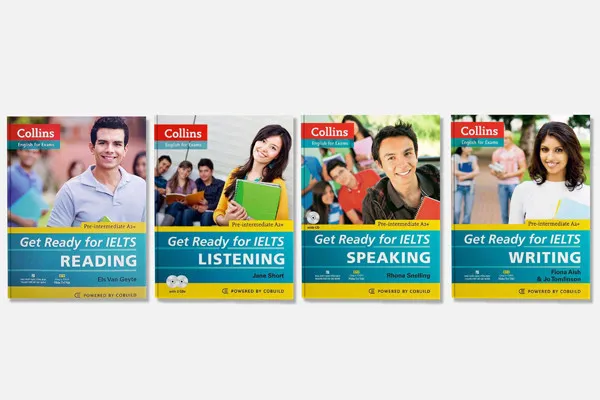
1. Beginner Level (Band 3.0 – 4.5)
a. Get Ready for IELTS (Collins)
Content: This series covers all four skills (Listening, Reading, Writing, Speaking) and is designed for IELTS beginners to help them get familiar with the test format.
Target Audience: Learners with a weak foundation or those completely new to IELTS.
Pros:
- Simple, easy-to-understand language.
- Exercises simulate the actual test but at a manageable difficulty level.
- Clear learning objectives for every chapter.
Why use it: It helps build a solid English foundation without overwhelming you when you’re just starting out.
b. Grammar for IELTS (Cambridge)
Content: Focuses on essential grammar structures for the IELTS exam. Each unit includes theory and exercises directly related to the four test skills.
Target Audience: Beginners who need to solidify their grammar before moving on to more advanced study.
Pros:
- Theory is presented clearly and concisely.
- Extensive practice exercises that closely mirror the exam.
Why use it: Grammar is the backbone of all four skills, and this book will boost your confidence in both writing and speaking.
2. Intermediate Level (Band 4.5 – 6.5)
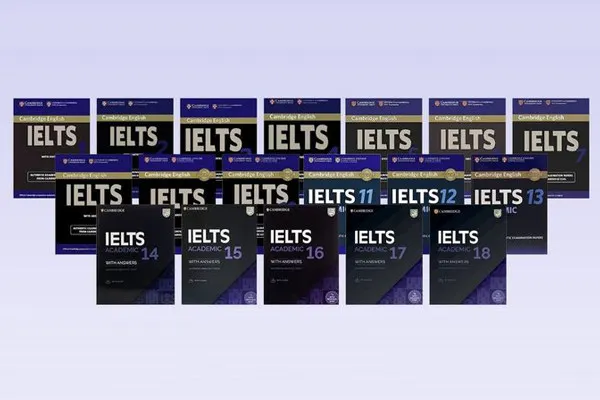
a. Cambridge IELTS Series
Content: A collection of actual past IELTS exam papers, covering both Academic and General Training modules.
Target Audience: Learners with a basic foundation who want to practice using real test materials.
Pros:
- Authentic exam content.
- Detailed answer keys and explanations.
- Includes sample Writing responses for reference.
Why use it: This is the most essential resource for getting used to the test structure and improving your time management skills.
b. Vocabulary for IELTS (Cambridge)
Content: Provides vocabulary categorized by common IELTS topics such as Education, Environment, and Technology.
Target Audience: Learners looking to expand their vocabulary to improve their Writing and Speaking scores.
Pros:
- Rich vocabulary with illustrative examples.
- Diverse exercises that apply directly to the test.
c. Complete IELTS (Cambridge)
Content: Combines theory and practice for all four skills, structured by level from beginner to advanced.
Target Audience: Intermediate learners who need comprehensive skill development.
Pros:
- Clear learning path with realistic exercises.
- Developed by top experts at Cambridge.
Why use it: It doesn’t just build skills; it also provides effective test-taking strategies.
3. Advanced Level (Band 6.5+)
a. The Official Cambridge Guide to IELTS
Content: Offers theory, test-taking tips, and 8 practice tests.
Target Audience: High-achieving learners (7.0+) preparing for the actual exam.
Pros:
- Detailed analysis of every question type.
- High-quality sample responses for Writing and Speaking.
Why use it: A comprehensive resource covering both Academic and General Training.
b. Barron’s IELTS Superpack
Content: Includes theory, exercises, and practice tests.
Target Audience: Learners who have mastered the core skills and want to push for a higher score.
Pros:
- Detailed guidance on test-taking strategies.
- Realistic practice tests with full answer keys.
Why use it: Excellent for advanced practice with a wide variety of content.
II. Recommended Books by IELTS Skill
1. Listening
a. Listening Strategies for the IELTS Test
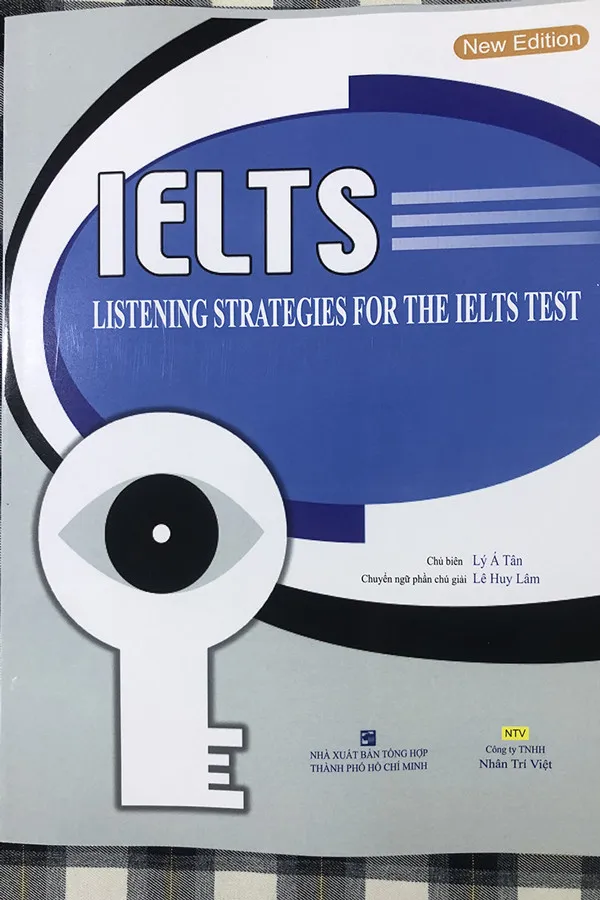
Target Audience: Learners of all levels looking to improve their Listening.
Pros:
- Analyzes each question type.
- Provides effective listening tips and practice exercises.
b. Collins English for IELTS – Listening
Target Audience: Intermediate to advanced learners.
Pros:
- Focuses on common question types.
- Very close to the actual exam.
2. Reading
a. Reading Strategies for the IELTS Test
Target Audience: Learners wanting to improve reading comprehension and speed.
Pros:
- Thorough analysis of each question type.
- Extensive exercises for direct practice.
b. Collins English for IELTS – Reading
- Target Audience: Intermediate level and above.
- Pros: Focuses on vocabulary and information analysis skills.
3. Writing
a. Writing Task 1 and Task 2 (Simon’s e-book)
Target Audience: Those looking to improve their Task 1 and Task 2 writing.
Pros:
- Provides detailed, easy-to-understand sample essays.
- Guides you on how to develop ideas logically.
b. Cambridge Grammar for IELTS Writing
Target Audience: Those looking to improve grammar specifically for Writing.
Pros:
- Guides you on how to fix common writing errors.
- Clear explanations on how to use grammar accurately.
4. Speaking
a. Speaking for IELTS (Collins)
Target Audience: Learners who want to be more confident in front of an examiner.
Pros:
- Rich sample questions with practice exercises.
- Focuses on improving pronunciation and intonation.
b. IELTS Speaking Actual Tests with Suggested Answers
- Target Audience: Learners preparing for the actual exam.
- Pros:
- Compiles real questions from past exams.
- Provides logical and persuasive sample answers.
Part 2: Books You Should Avoid
Not all IELTS materials are created equal. Below are books that learners should avoid or approach with caution.
I. Books that are too academic or confusing
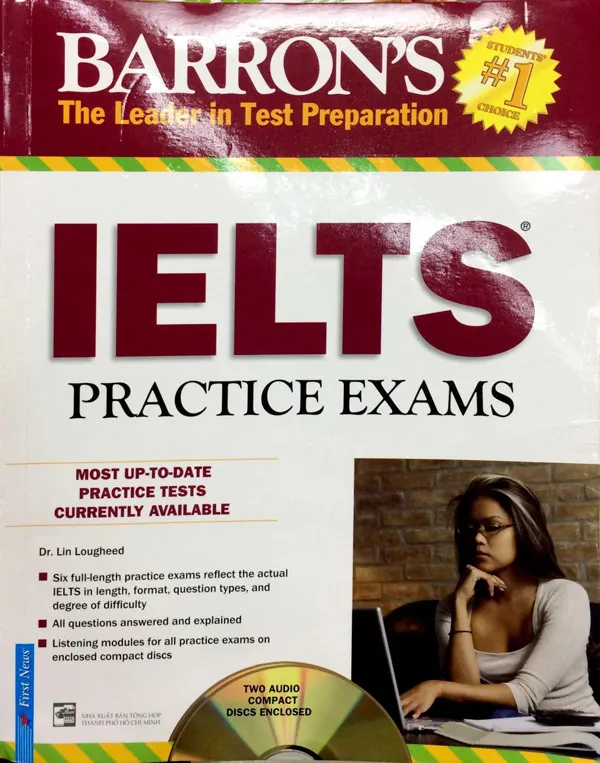
1. Barron’s IELTS Practice Exams (Old Edition)
- Why avoid it:
- Some exercises do not align with the current test format.
- Writing and Speaking answer keys lack specificity, making it hard for learners to self-assess.
- Who is this for?: This is better suited for advanced learners (Band 7.0+). For beginners or intermediate learners, it can feel overwhelming and demotivating.
2. IELTS Foundation (Macmillan)
- Why avoid it:
- Despite being designed for beginners, it uses overly academic language that is difficult to grasp.
- Some exercises aren’t closely linked to the IELTS format, leading to unfocused study.
- Who is this for?: Better for those already familiar with IELTS who want to practice reading academic texts.
II. Books with outdated content
1. Cambridge IELTS Books 1 through 6
Why avoid it:
- These were published in the 2000s, and the test format has changed significantly since then.
- Some reading and listening passages are no longer relevant to the current exam standards.
We recommend using Cambridge IELTS 15 and onwards to ensure the content matches the current test.
2. Check Your Vocabulary for IELTS (Old Edition)
Why avoid it:
- Focuses only on lists of words, lacking the practice exercises needed to apply them to the real test.
- Lacks context for word usage, which can lead to errors in Writing or Speaking.
Alternatives: Use Vocabulary for IELTS (Cambridge) or Collins English for IELTS – Vocabulary.
III. Books with inaccurate content or low quality
1. Unofficial IELTS prep books from disreputable publishers
Why avoid it:
- Content is often inaccurate and deviates from the real test structure.
- Exercises frequently contain grammar or vocabulary errors.
- Lack of detailed answer keys or supplementary materials makes self-study impossible.
IV. Books unsuitable for beginners
1. Advanced Writing books like “IELTS Writing Task 2 – Ideas and Arguments” (Simon)
Why avoid for beginners:
- Focuses on complex topics and academic vocabulary that are too difficult for basic or intermediate learners.
- Lacks basic guidance on essay structure, which is essential for those without a strong foundation.
Who is this for?: Learners at Band 6.5+ looking to improve their argumentation and advanced vocabulary.
2. Advanced Listening books like “IELTS Listening Actual Test”
Why avoid for beginners:
- Exercises consist mainly of real tests with fast-paced audio and complex questions, which is discouraging for those below Band 5.0.
- Lack of detailed explanations makes it hard to identify and correct mistakes.
Who is this for?: Experienced learners aiming for Band 7.0+.
Part 3: Tips for Choosing IELTS Books
Choosing by skill:
- Listening: Choose books with realistic exercises and audio files featuring various accents (British, American, Australian).
Recommendations: Cambridge IELTS, Collins Listening for IELTS.
- Reading: Look for books with diverse exercises and detailed step-by-step guides.
Recommendations: Reading for IELTS (Collins), IELTS Reading Practice Tests.
- Speaking: Prioritize books with sample answers and topic-based vocabulary.
Recommendations: Speaking for IELTS (Collins), IELTS Speaking Actual Tests.
- Writing: Choose books that teach you how to develop ideas and structure your essays.
Recommendations: IELTS Advantage Writing Skills, Write Right for IELTS.
Choosing by level:
- Beginners (4.0 – 5.0): Prioritize books with basic guidance and simple exercises.
Recommendations: Basic IELTS Listening, Foundation IELTS Masterclass.
- Intermediate (5.0 – 6.5): Look for more detailed books with exercises that mirror the real exam.
Recommendations: Cambridge IELTS, Official Cambridge Guide to IELTS.
- Advanced (6.5+): Specialized books with plenty of practice tests.
Recommendations: IELTS Practice Tests Plus, Advanced IELTS Vocabulary.
Prioritize original prints: Authentic books ensure accurate, up-to-date content and usually come with helpful supplementary materials.
Read reviews and ask for advice: Before buying, read reviews from the IELTS community or ask for recommendations from your instructors.
Choosing the right IELTS books not only saves you time but also helps you build a more effective study plan. Base your decisions on your current level, personal goals, and expert advice. With these tips, we hope you find the right resources to move closer to your success in the IELTS exam.




 Khai giảng Khóa học Hè cực HOT.
No comments yet!