


Tóm Tắt Nội Dung Bài Viết
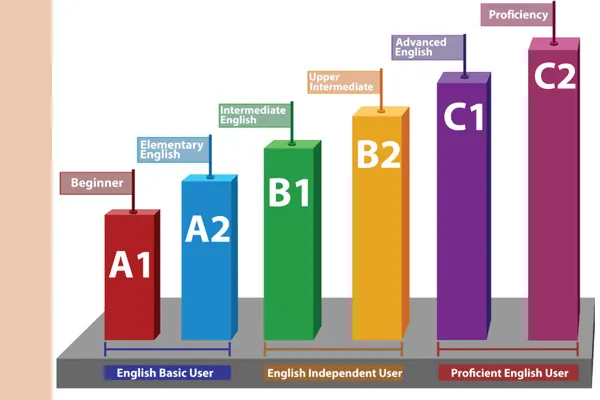
The B1 level in the Common European Framework of Reference for Languages (CEFR) is an intermediate stage where learners begin to communicate independently in everyday situations and master a wide range of basic topics. Below is a detailed B1 English learning roadmap, including the skills to achieve and the time required to master this level. Let’s dive in!
Who is the B1 English level for?

- Learners with a solid foundation: Those who have completed the A2 level and want to enhance their language skills to communicate more effectively in daily life and at work.
- Working professionals: Individuals looking to improve their English for use in the workplace, meeting partners, or traveling.
- Students: Students who need to reach an intermediate level of English to prepare for exams like IELTS or TOEIC, or to communicate in international environments.
At the B1 level, learners will be able to:
- Communicate in familiar everyday situations and understand conversations spoken at a normal pace.
- Read and understand basic articles, documents, letters, and work-related emails.
- Write paragraphs, letters, and emails with more complex content on familiar topics.
- Understand issues and explain their own opinions in a basic way within familiar contexts.
To complete the B1 roadmap, learners typically need to dedicate about 200 – 350 hours of study, depending on individual learning pace and aptitude.
You should allocate your study time as follows:
- Listening: 30% of study time, focusing on understanding context and the natural speaking speed of native speakers.
- Speaking: 25% of study time, practicing natural communication and expanding on topics.
- Reading: 20% of study time, expanding vocabulary and understanding longer texts.
- Writing: 25% of study time, focusing on the ability to present opinions clearly and structure written work.
B1 English Roadmap: All 4 Skills
1. Listening
Listening goals:
- Understand conversations on familiar topics, such as work, family, and hobbies.
- Follow conversations at an average speed and identify key information from listening passages.
Practice content:
- Listen to work-related dialogues, such as project discussions or simple meetings.
- Listen to public announcements at airports, train stations, or shops.
- Listen to short news reports or videos on familiar topics (current events, weather, travel).
Suggested activities:
- Listen to dialogues from websites or apps like BBC Learning English or TED Talks with subtitles.
- Join online speaking sessions with teachers or study partners to practice listening in real-life situations.
- Use listening materials from Cambridge or Oxford for guided practice.
2. Speaking
Speaking goals:
- Participate in simple conversations and confidently talk about work, study, and daily life.
- Express personal opinions in familiar situations and provide more detailed responses.
Practice content:
- Practice introducing yourself and participating in simple discussions about work, future plans, and hobbies.
- Practice speaking on specific topics: travel, dining, work, and family.
- Pronounce new vocabulary correctly and correct pronunciation errors based on feedback from teachers or apps.
Suggested activities:
- Join online or offline English speaking clubs to communicate with foreigners.
- Use apps like Cambly or Italki to practice daily communication.
- Practice speaking about self-selected topics from daily life, such as hobbies, work, or future plans.
3. Reading
Reading goals:
- Read and understand simple texts such as emails, news, articles, and work documents.
- Grasp the main ideas and detailed information from medium-to-long passages.
Practice content:
- Read passages about work, travel, and daily life topics.
- Read and understand signs, advertisements, or notices in familiar situations.
- Get familiar with new vocabulary in specific contexts and develop reading comprehension skills.
Suggested activities:
- Read B1-level English books such as Penguin Readers or Oxford Bookworms.
- Practice reading short articles from BBC News or news websites (300-500 words).
- Complete reading tests from B1 study books or exam preparation sites like Cambridge English.
Related article: B2 English Roadmap: All 4 Skills
4. Writing
Writing goals:
- Write clear paragraphs, letters, or emails related to personal life, work, or study.
- Present personal opinions and explain events in basic paragraphs.
Practice content:
- Write short letters or emails describing personal events (e.g., inquiries, job applications).
- Write simple essays presenting opinions on familiar issues.
- Write short paragraphs describing daily life events, plans, or personal interests.
Suggested activities:
- Write emails or messages in English to friends or colleagues to practice daily communication.
- Participate in English learning forums or blogs to write comments and share personal opinions.
- Use writing materials from Cambridge or dedicated writing practice books to improve your English writing skills.
Tools and Resources for B1 English
Textbooks:
- “English Grammar in Use” – Raymond Murphy.
This is one of the most popular grammar books, helping learners understand grammar structures clearly and practice with detailed exercises. It includes self-assessment exercises and step-by-step guidance on B1-level grammar. Each lesson comes with concise, easy-to-understand explanations, making it perfect for self-study.
- “Oxford Word Skills: Intermediate” – Oxford.
This book helps learners develop vocabulary systematically based on specific contexts. The topics are designed for the B1 level, covering vocabulary related to daily life, work, travel, and social issues. It includes exercises to test your ability to use new vocabulary in real-life situations.
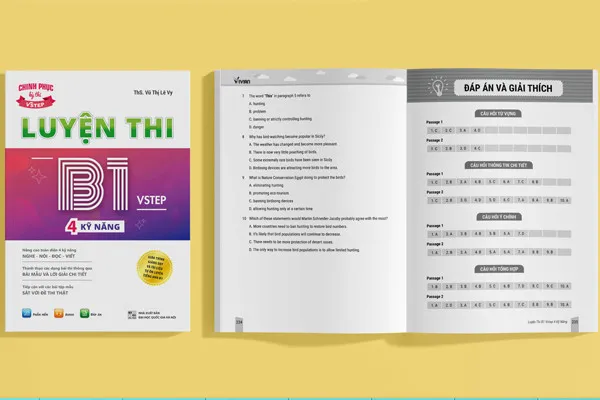
- “Complete PET” – Cambridge English.
This book helps learners prepare for the PET (Preliminary English Test), which corresponds to the B1 level. It includes exercises for all four skills—listening, speaking, reading, and writing—along with answer keys and sample papers. The exercises and practice tests are very close to reality, helping learners get comfortable with the B1 exam structure.
B1 English Apps:
- Duolingo, Memrise: Great for daily vocabulary and grammar practice.
Duolingo offers vocabulary, grammar, and speaking lessons from A1 to B2. At the B1 level, you can study topics like work, travel, and social communication. The app also features daily reminders to help you maintain a consistent study habit.
Memrise provides vocabulary courses created by users and experts, including specific B1-level courses. Lessons combine video and audio from native speakers to improve listening and pronunciation.
- BBC Learning English: Offers lessons with videos, articles, and listening exercises for intermediate learners.
The BBC Learning English website and app feature many courses from basic to advanced, with a strong focus on the intermediate (B1) level. You can practice listening through news reports, subtitled videos, or short courses on grammar and vocabulary.
- Cambly: Connects learners with native speakers for English speaking practice.
At the B1 level, you can find tutors specializing in topics like work, travel, and daily conversation to practice with.
Online Websites:
- Cambridge English: Provides tests and lessons suitable for the B1 level.
The Cambridge English website offers online exercises and tests based on official exams like PET, helping you practice for the B1 level. They also provide many free resources related to vocabulary, grammar, and sample tests.
- British Council: Offers many interactive exercises for listening, speaking, reading, and writing.
The British Council provides a wealth of free learning materials, including listening, reading, grammar, and vocabulary exercises for intermediate (B1) learners. Their listening exercises usually come with practice questions to check your comprehension.
- ESL Fast:
This site provides reading and listening exercises for B1 learners. The stories and exercises are concise and include solutions, helping you practice your reading comprehension daily.
We hope this information helps you on your B1 English learning journey, along with these useful tools and resources. Good luck!
 Khai giảng Khóa học Hè cực HOT.
No comments yet!