


Tóm Tắt Nội Dung Bài Viết
The question “Which month should I take the IELTS test?” is one of the most common concerns for those on the journey to conquering this prestigious English certification. This often leads to many related questions, such as “Which month has the easiest test questions?”, “When should 12th graders take the test?”, “Should I take it in January?”, and so on.
This article from ECE Language Center will help you answer all those questions, analyze the relevant factors, and provide the most useful advice so you can choose the best time to take your IELTS test.
Debunking the Myth: Which Month Has the Easiest IELTS Test?
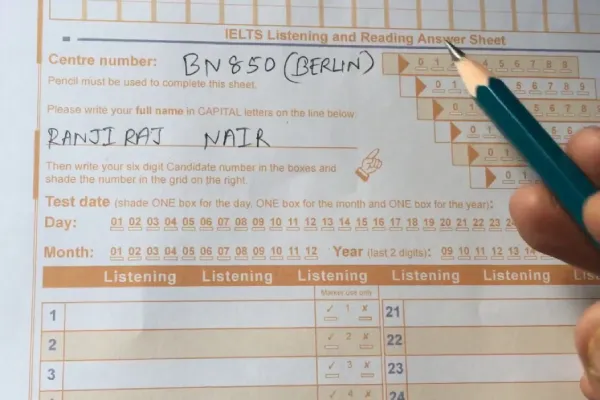
This is perhaps the most frequently asked question, stemming from a desire to find a “shortcut” to a high score. However, the truth is:
There is no month with an “easier” IELTS test: Testing organizations like IDP and the British Council always strive to ensure fairness and consistent difficulty for IELTS tests throughout the year. The test is built from a large, strictly standardized question bank.
The concept of “IELTS Quarters” and Speaking topic changes:
- Typically, the IELTS preparation community refers to “quarters,” which correspond to periods when a portion of the Speaking question bank is updated. These quarters usually begin in January, May, and September each year.
- During these months, some new Speaking topics (Part 1, Part 2, and Part 3) may be introduced, replacing some of the older ones.
- This does NOT mean the test is easier or harder. It simply means the range of Speaking topics has been updated. If you have prepared thoroughly and covered a wide variety of topics, encountering new or old ones will not significantly affect your performance.
- Some people believe that taking the test at the end of a quarter (e.g., April, August, December) is “safer” because the question bank has stabilized. Conversely, others prefer taking it at the start of a quarter to challenge themselves with new topics. However, these are just strategies for reference; the deciding factor remains your actual ability.
Therefore, instead of trying to find an “easy month,” focus on building a solid foundation of knowledge and skills.
So, when is the best time to take the IELTS test?
There is no one-size-fits-all answer. The ideal time to take the IELTS depends entirely on your personal goals, plans, and preparation. Here are the key factors to consider:
Your level of readiness:
- This is the most important factor. You should only register for the test when you feel you have studied enough, have solid test-taking skills, and have achieved your target score in mock tests.
- Don’t chase “rumors” or succumb to pressure from others by registering before you are ready. This is both costly and can negatively affect your mindset if the results aren’t what you expected.
Purpose of the IELTS certificate and deadlines:
- Study Abroad: Universities and colleges abroad usually have specific application deadlines (often at the end of the year or the beginning of the next). You need to plan your IELTS test date so that you receive your results at least 1–2 months before the deadline. Remember to account for the time it takes to receive results (about 3–5 days for computer-delivered tests, 13 days for paper-based), the time for scores to be sent to the university, and a buffer period in case you need to retake the test.
- Domestic University Admissions: This is a major concern for 12th-grade students.
The ideal time: Many experts and students who have gone before suggest that 12th graders should take the IELTS at the end of the first semester or the beginning of the second semester of 12th grade (around December to March of the following year).
Reasons:
– Getting your certificate early reduces the pressure of studying for multiple subjects simultaneously during your final year.
– You have time to review and retake the test if your first attempt doesn’t meet the requirements for early admission programs at many universities (which usually take place from April to May).
– You will meet the deadline for submitting certificates for combined admission or English proficiency conversion for the High School Graduation Exam (specific deadlines depend on the regulations of the Ministry of Education and Training and individual universities each year, usually required before June). Answering the question “Which month should I take the IELTS for university admission?” is all about considering these specific milestones.
- Immigration/Work: Research the score requirements and submission deadlines of immigration authorities or employers to plan your test accordingly.
- Personal Schedule:
Choose a time when you can fully focus on your final sprint and the test itself, avoiding periods busy with school exams, work, or other important personal commitments. A relaxed, undistracted mindset will help you perform better.
You can see more here: IELTS Test Schedule 2026
Frequently Asked Questions about IELTS Test Timing
- Question 1: Which day should I take the IELTS?
Answer: The specific day of the week (Thursday, Saturday, Sunday) generally does not affect the difficulty of the test. Choose a test date that is most convenient for your schedule and travel.
Some people prefer morning sessions because they feel more alert, while others prefer the afternoon. Choose the time slot that fits your biological clock (if options are available).
- Question 2: Which months should I avoid taking the IELTS?
Answer: As analyzed, there are no “unlucky” months or months with “harder” tests. You should only “avoid” taking the test when you are not well-prepared, your schedule is too hectic, or you are too close to a deadline without any buffer time.
- Question 3: Should I take the IELTS in January?
Answer: Absolutely. January is the first month of a new testing quarter, which may include new Speaking topics. If you are confident in your ability to adapt and have prepared comprehensively, there is no reason to avoid January. Conversely, if you prefer a more “stable” question bank, you can push it back to February or March. The most important thing is your preparation.
- Question 4: How many IELTS testing quarters are there?
As mentioned, the preparation community usually divides the year into 3 “quarters” for Speaking topic changes: January, May, and September.
Some useful tips for you
- Preparation is the top priority: Spend enough time studying, getting familiar with the test structure, honing your skills, and taking mock tests to assess your ability.
- Clearly define your goals and deadlines: Plan your test date based on when you need the certificate. Always include a buffer for receiving results and the possibility of a retake.
- Don’t believe in “easy test months”: Focus on improving your own ability instead of relying on luck.
- For 12th graders: Consider taking the test at the end of the first semester or the beginning of the second to be proactive and reduce end-of-year pressure.
- Choose a suitable test date and time: Ensure convenience and the best mental state when going to the test.
ECE wishes you an effective study plan and that you choose the most suitable time to take your IELTS test to achieve the results you expect!





 Khai giảng Khóa học Hè cực HOT.
No comments yet!