


Tóm Tắt Nội Dung Bài Viết
The SAT, especially the Digital SAT, evaluates more than just your math and reading comprehension skills—it also tests your vocabulary. Building a robust SAT vocabulary is essential for achieving a high score, particularly in the Reading and Writing section. This article summarizes common vocabulary by theme for the Digital SAT, analyzes the challenges of vocabulary acquisition, and shares effective study methods to help you confidently conquer the SAT vocabulary challenge.
Common SAT Vocabulary by Theme
Below are some common themes that appear in the Digital SAT, along with representative vocabulary (including pronunciation, definitions, and examples):
1. Science & Technology
Science and Technology is a core theme in the SAT, reflecting its importance in the modern world. Reading passages often revolve around inventions, scientific research, and the impact of technology on daily life. Mastering vocabulary in this field will help you easily understand and analyze complex scientific texts.
| Word | Pronunciation | Definition | Example |
| Hypothesis | /haɪˈpɑːθəsɪs/ | A proposed explanation |
The scientist formed a hypothesis about the origin of the universe.
|
| Empirical | /ɪmˈpɪrɪkl/ | Based on observation/experience |
Empirical evidence supports the theory of evolution.
|
| Variable | /ˈveriəbl/ | A factor that can change |
In the experiment, temperature was the independent variable.
|
| Correlation | /ˌkɔːrəˈleɪʃn/ | A mutual relationship |
There is a strong correlation between smoking and lung cancer.
|
| Innovation | /ˌɪnəˈveɪʃn/ | A new method or idea |
Technological innovation has transformed the way we live and work.
|
| Mechanism | /ˈmekənɪzəm/ | A system of parts |
The researchers studied the mechanism of photosynthesis in plants.
|
| Paradigm | /ˈpærədaɪm/ | A typical pattern or model |
The discovery of DNA led to a paradigm shift in biology.
|
| Synthesize | /ˈsɪnθəsaɪz/ | To combine elements |
The chemist synthesized a new compound in the laboratory.
|
| Quantify | /ˈkwɑːntɪfaɪ/ | To express as a quantity |
Scientists can quantify the amount of carbon dioxide in the atmosphere.
|
| Autonomous | /ɔːˈtɑːnəməs/ | Self-governing |
Autonomous vehicles are becoming increasingly common on our roads.
|
2. History & Social Studies
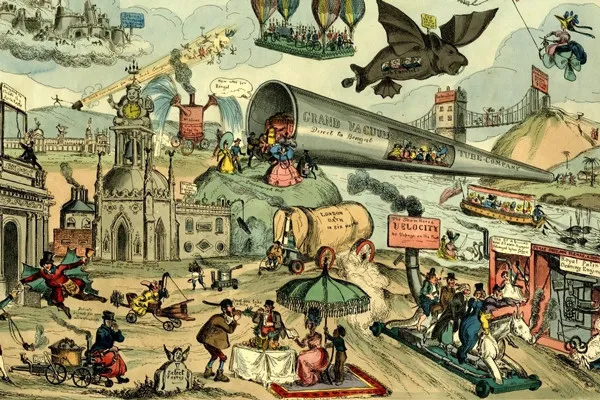
The History and Social Studies theme in the SAT often covers significant historical events, political concepts, and economic theories. A deep understanding of these terms will not only help you answer reading comprehension questions but also support you in analyzing social issues logically and thoroughly.
| Word | Pronunciation | Definition | Example |
| Constitution | /ˌkɑːnstɪˈtuːʃn/ | Fundamental principles |
The Constitution of the United States guarantees fundamental rights to its citizens.
|
| Legislation | /ˌledʒɪsˈleɪʃn/ | Laws collectively |
The government passed new legislation to protect the environment.
|
| Suffrage | /ˈsʌfrɪdʒ/ | Right to vote |
The women’s suffrage movement fought for the right to vote.
|
| Demographic | /ˌdeməˈɡræfɪk/ | Relating to population |
Demographic changes can have a significant impact on a country’s economy.
|
| Implication | /ˌɪmplɪˈkeɪʃn/ | Consequence/hint |
The study’s findings have important implications for public health policy.
|
| Precedent | /ˈpresɪdənt/ | Previous legal case |
The Supreme Court’s decision set a legal precedent.
|
| Sovereignty | /ˈsɑːvrənti/ | Supreme power |
The country declared its independence and asserted its sovereignty.
|
| Ratify | /ˈrætɪfaɪ/ | To formally approve |
The treaty was ratified by all member states.
|
| Amendment | /əˈmendmənt/ | A formal change |
The First Amendment to the Constitution protects freedom of speech.
|
| Federalism | /ˈfedərəlɪzəm/ | System of shared power |
The United States has a system of federalism, where power is shared between the states.
|
3. Literature & Arts

Literature and Arts are fertile ground for SAT authors to explore ideas and build context. Vocabulary in this theme is often used to analyze literary and artistic works, clarifying artistic techniques and the author’s intent.
| Word | Pronunciation | Definition | Example |
| Allegory | /ˈæləɡɔːri/ | Symbolic narrative |
The novel is an allegory for the struggle between good and evil.
|
| Irony | /ˈaɪrəni/ | Contradictory outcome |
The irony of the situation was that he became famous after his death.
|
| Metaphor | /ˈmetəfɔːr/ | Figurative comparison |
“All the world’s a stage” is a famous metaphor from Shakespeare.
|
| Symbolism | /ˈsɪmbəlɪzəm/ | Use of symbols |
The white dove is often used as a symbolism of peace.
|
| Protagonist | /prəˈtæɡənɪst/ | Main character |
The protagonist of the story is a young woman who overcomes many challenges.
|
| Antagonist | /ænˈtæɡənɪst/ | Opposing character |
The antagonist in the play is a power-hungry tyrant.
|
| Foreshadowing | /fɔːrˈʃædəʊɪŋ/ | Hinting at future events |
The author uses foreshadowing to hint at future events in the story.
|
| Diction | /ˈdɪkʃn/ | Word choice |
The poet’s diction is characterized by its simplicity and elegance.
|
| Connotation | /ˌkɑːnəˈteɪʃn/ | Implied meaning |
The word “home” has a positive connotation for most people.
|
| Aesthetic | /esˈθetɪk/ | Appreciation of beauty |
The building’s design was praised for its aesthetic appeal.
|
4. Economics & Business

In the era of globalization, economics and business have become important themes that frequently appear in SAT reading passages. Mastering economic, financial, and commercial terms will help you confidently tackle passages related to markets, economic policy, and business operations.
| Word | Pronunciation | Definition | Example |
| Inflation | /ɪnˈfleɪʃn/ | Rising prices |
The country is experiencing high rates of inflation.
|
| Recession | /rɪˈseʃn/ | Economic decline |
The economy is in a recession, with high unemployment and slow growth.
|
| Supply and Demand | /səˈplaɪ ænd dɪˈmænd/ | Market forces |
The price of a product is determined by supply and demand.
|
| Fiscal Policy | /ˈfɪskl ˈpɑːləsi/ | Government spending/tax |
The government uses fiscal policy to influence the economy.
|
| Monetary Policy | /ˈmɑːnɪteri ˈpɑːləsi/ | Central bank control |
The central bank uses monetary policy to control the money supply.
|
| GDP (Gross Domestic Product) | /ˌdʒiː diː ˈpiː/ | Total economic output |
The country’s GDP grew by 3% last year.
|
| Deficit | /ˈdefɪsɪt/ | Spending exceeds income |
The government is running a budget deficit.
|
| Surplus | /ˈsɜːrplʌs/ | Excess of assets |
The country has a trade surplus.
|
| Entrepreneur | /ˌɑːntrəprəˈnɜːr/ | Business founder |
Entrepreneurs play a vital role in driving innovation and economic growth.
|
| Capital | /ˈkæpɪtl/ | Financial assets |
The company is seeking to raise capital to expand its operations.
|
| Globalization | /ˌɡloʊbələˈzeɪʃən/ | Global integration |
Globalization has led to increased trade and interconnectedness between countries.
|
5. Psychology & Sociology

Psychology and Sociology are fields that study human behavior and social relationships, often integrated into SAT reading passages. Understanding these specialized terms will help you better grasp concepts related to cognition, behavior, social issues, and human interaction.
| Word | Pronunciation | Definition | Example |
| Cognitive | /ˈkɑːɡnətɪv/ | Relating to thought |
Cognitive development is the process of acquiring knowledge and understanding.
|
| Perception | /pərˈsepʃn/ | Interpretation of senses |
Our perception of reality is influenced by our experiences and beliefs.
|
| Bias | /ˈbaɪəs/ | Prejudice/inclination |
The study showed a bias towards male participants.
|
| Conformity | /kənˈfɔːrməti/ | Compliance with standards |
Social pressure can lead to conformity.
|
| Altruism | /ˈæltruɪzəm/ | Selfless concern |
Altruism is the selfless concern for the well-being of others.
|
| Socialization | /ˌsoʊʃələˈzeɪʃən/ | Learning social norms |
Socialization is the process of learning the norms and values of a society.
|
| Stereotype | /ˈsteriətaɪp/ | Oversimplified image |
Stereotypes can be harmful and inaccurate.
|
| Discrimination | /dɪˌskrɪməˈneɪʃn/ | Unjust treatment |
Discrimination based on race or gender is illegal.
|
| Consciousness | /ˈkɑːnʃəsnəs/ | State of awareness |
Consciousness is the state of being aware of and responsive to one’s surroundings.
|
| Nature vs. Nurture | /ˈneɪtʃər vs ˈnɜːrtʃər/ | Genetics vs. Environment |
The debate of nature vs. nurture explores the relative contributions of genetics and environment.
|
6. Environment & Sustainability
 Chia sẻ:



 Khai giảng Khóa học Hè cực HOT.
No comments yet!